




Walking Poles Recommended by Physical Therapists: A Therapeutic Approach to Mobility
In rehabilitation centers and physical therapy clinics worldwide, walking poles have transitioned from recreational hiking accessories to essential therapeutic tools. Physical therapists increasingly recommend trekking poles as cost-effective, versatile aids that support recovery, improve mobility, and enhance quality of life for patients with various conditions. Unlike standard canes or walkers that often promote compensatory movement patterns, properly fitted walking poles encourage natural gait mechanics while providing necessary support. This comprehensive guide explores the specific features, techniques, and benefits that make certain walking poles particularly valuable from a therapeutic perspective.
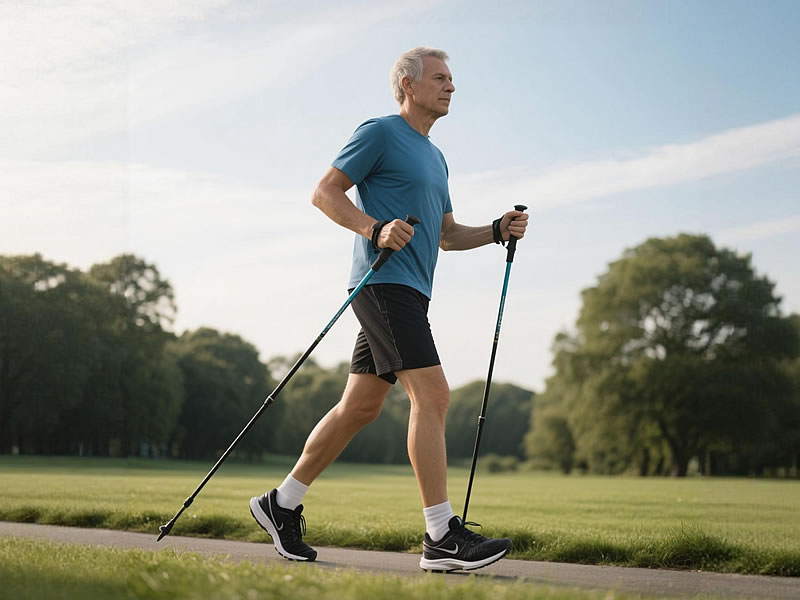
Recommended trekking pole purchase link: https://s.click.aliexpress.com/e/_c4M7OWaN
The Science Behind Therapeutic Pole Use
Physical therapists recommend walking poles based on solid biomechanical principles and clinical evidence:
Joint Load Reduction:
Studies demonstrate that using walking poles can reduce forces on knee joints by 25-30% during level walking and up to 45% during descents. This load reduction is particularly beneficial for patients with osteoarthritis, previous joint injuries, or those recovering from lower extremity surgeries.
Improved Balance and Stability:
The additional points of contact provided by poles significantly enhance stability, reducing fall risk by approximately 30% in patients with balance disorders. This benefit extends beyond simple support to improved confidence in mobility.
Enhanced Proprioception:
The sensory feedback through the poles to the hands and arms improves body awareness and positioning, helping patients develop better movement patterns and coordination.
Key Features Physical Therapists Look For
When recommending walking poles, therapists prioritize specific features that maximize therapeutic benefits:
Adjustability and Precision Fit:
- Fine Adjustment Capability: Poles that allow centimeter-by-centimeter length adjustments enable therapists to fine-tune fit for optimal biomechanical alignment
- Multiple Section Options: Three-section poles typically offer more precise length customization than two-section models
- Clear Measurement Markings: Easy-to-read length indicators facilitate consistent setup between therapy sessions
Shock Absorption Qualities:
- Integrated Suspension Systems: Poles with internal spring mechanisms reduce impact transmission to upper body joints
- Material Dampening: Carbon fiber naturally absorbs vibration better than aluminum, benefiting patients with arthritic conditions
- Progressive Resistance: Advanced systems allow adjustment of shock absorption levels based on patient needs
Therapeutic Grip Design:
- Ergonomic Contouring: Grips shaped to maintain neutral wrist positioning reduce strain on joints and soft tissues
- Moisture-Wicking Materials: Cork and specialized foams maintain grip security regardless of hand moisture
- Angle-Adjustable Options: Some therapeutic models allow grip angle customization for specific conditions
Secure Locking Mechanisms:
- External Lever Locks: Typically preferred for their reliability and ease of use, especially for patients with hand strength or dexterity challenges
- Visual Confirmation Systems: Mechanisms that provide clear visual indicators when properly locked enhance safety
Conditions Most Commonly Addressed with Pole Therapy
Osteoarthritis Management:
Therapists frequently recommend poles for patients with knee or hip osteoarthritis. The load redistribution significantly reduces pain during walking, enabling longer, more comfortable mobility and supporting weight management efforts.
Post-Surgical Rehabilitation:
Following procedures like total joint replacements or ACL reconstruction, poles provide graduated support during the recovery process, allowing patients to gradually increase weight-bearing as healing progresses.
Neurological Conditions:
For patients with Parkinson's disease, stroke recovery, or multiple sclerosis, poles improve stability while encouraging reciprocal arm swing patterns that support natural gait mechanics.
Balance Disorders:
Patients with vestibular issues or age-related balance decline benefit from the enhanced stability and confidence poles provide, often enabling continued community mobility.
Chronic Pain Conditions:
Individuals with fibromyalgia or chronic fatigue syndrome find that poles reduce exertion during walking, helping them maintain activity levels within their energy envelope.
Proper Therapeutic Technique: Beyond Basic Use
Physical therapists teach specialized techniques to maximize benefits:
Reciprocal Pattern Emphasis:
Therapists stress the importance of maintaining natural opposite arm-leg movement rather than using poles simultaneously. This pattern:
- Reinforces normal neurological gait patterning
- Engages core muscles more effectively
- Prevents the development of compensatory movements
Weight Transfer Training:
Patients learn to transfer appropriate amounts of weight through the poles rather than bearing weight primarily through their lower extremities. This skill requires practice to master without over-relying on upper body support.
Rhythm and Timing Development:
Therapists work with patients to develop consistent pole planting rhythms that match their natural cadence, enhancing fluidity and efficiency of movement.
Top Physical Therapist-Recommended Models
Leki Traveller Lite:
Frequently recommended for its combination of lightweight construction, reliable locking mechanisms, and excellent shock absorption. The ergonomic grip design accommodates various hand limitations.
Black Diamond Trail Sport 3:
Preferred for its straightforward adjustability and durable construction that withstands daily therapeutic use. The simple lever locks work well for patients with dexterity challenges.
Komperdell C3 Cloud:
Valued for its exceptional vibration damping properties, making it ideal for patients with arthritis or other conditions involving joint sensitivity.
Nordic Stick Therapeutic Series:
Specifically designed for rehabilitation settings, these poles feature extra-large lever locks, clearly marked adjustment systems, and grips optimized for therapeutic use.
Implementation in Clinical Practice
Therapists typically follow a structured approach when introducing poles:
Initial Assessment:
Comprehensive evaluation of patient needs, including:
- Specific medical conditions and limitations
- Balance and gait analysis
- Upper body strength and coordination
- Environmental factors (home versus community use)
Gradual Introduction:
- Beginning with basic stance and balance exercises
- Progressing to supported walking in controlled environments
- Advancing to community use as skills develop
Ongoing Adjustment:
Regular reassessment ensures the pole setup continues to meet evolving patient needs as strength, mobility, and confidence improve.
Research Evidence Supporting Therapeutic Use
Multiple studies validate the benefits observed clinically:
- A 2019 systematic review found consistent improvement in gait stability across multiple patient populations
- Research published in Arthritis Care & Research demonstrated significant pain reduction in knee osteoarthritis patients
- Studies in neurological rehabilitation show improved walking speed and endurance with pole use
Insurance and Reimbursement Considerations
While walking poles are increasingly recognized as therapeutic tools, insurance coverage varies:
- Some plans cover poles with proper documentation of medical necessity
- Medicare may cover poles under certain circumstances with detailed justification
- Therapists can provide specific documentation templates to support claims
Contraindications and Precautions
Therapists recognize that poles aren't appropriate for all situations:
- Significant upper extremity weakness or instability
- Certain shoulder conditions where weight-bearing through the arms is contraindicated
- Cognitive impairments that prevent safe use
- Specific environmental constraints that make pole use impractical
The Future of Poles in Rehabilitation
Emerging developments include:
- Smart poles with sensors to provide feedback on usage patterns
- Customizable damping systems adjustable for different conditions
- Weight-adjustable poles that allow progressive resistance training
- Integrated biofeedback mechanisms to improve technique
Conclusion: From Recreational Tool to Rehabilitation Essential
Walking poles have firmly established their place in therapeutic practice, offering a unique combination of support, mobility enhancement, and biomechanical benefits. The guidance of a physical therapist ensures that patients select appropriate poles and learn to use them effectively for their specific conditions. As research continues to validate their benefits and manufacturers develop increasingly therapeutic-focused designs, walking poles will likely play an expanding role in helping individuals maintain mobility and independence across diverse health challenges.
Whether you're seeking to manage arthritis symptoms, recover from surgery, or simply move with greater confidence and comfort, therapist-recommended walking poles may provide the support you need. Consult with your physical therapist to determine if poles could enhance your mobility strategy—this simple intervention might significantly impact your quality of life and functional independence.




