




Using Walking Poles After Hip Replacement Surgery: A Comprehensive Recovery Guide
Hip replacement surgery represents a significant medical intervention that requires careful postoperative management to ensure optimal outcomes. Walking poles have emerged as valuable tools in the rehabilitation process, bridging the gap between assisted walking devices and independent mobility. When used correctly under professional guidance, they can significantly enhance recovery by providing necessary support while encouraging proper gait patterns. This comprehensive guide explores the strategic implementation of walking poles throughout the hip replacement recovery timeline, helping you navigate each phase with confidence and safety.
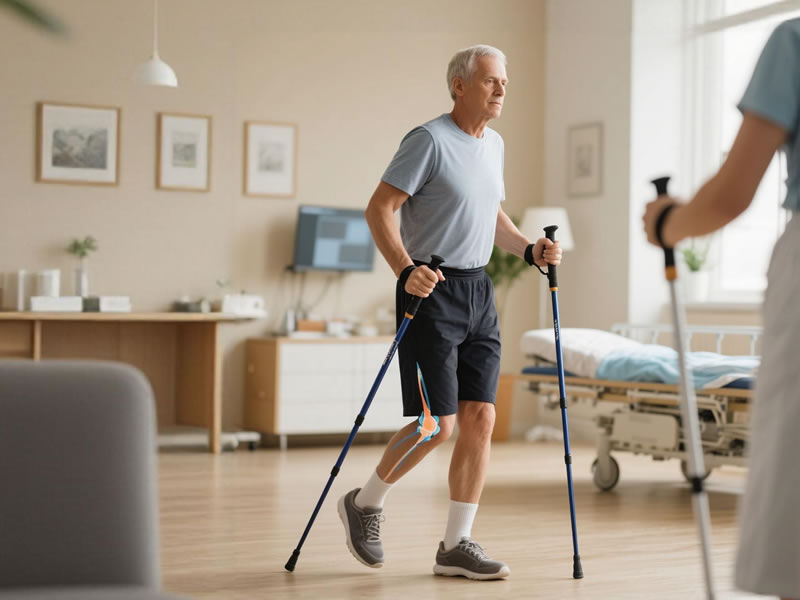
Recommended trekking pole purchase link: https://s.click.aliexpress.com/e/_c4M7OWaN
The Role of Walking Poles in the Recovery Timeline
Understanding when and how to introduce walking poles is crucial for maximizing their benefits while minimizing risks:
Early Postoperative Phase (Weeks 2-4):
During this initial recovery period, most patients transition from walkers to more mobile assistance. Walking poles can be introduced when:
- Your surgeon or physical therapist confirms adequate healing
- You demonstrate sufficient upper body strength to manage poles safely
- You can maintain balance with minimal assistance
- Pain is adequately controlled with medication
Mid-Recovery Phase (Weeks 4-8):
This period typically involves weaning off full-time assistive devices. Poles provide:
- Gradual reduction of weight-bearing support as healing progresses
- Confidence building during longer walks
- Assistance with navigating varied terrain and minor obstacles
- Support during therapeutic exercises
Late Recovery Phase (Months 2-6):
As you approach full mobility, poles continue to offer benefits:
- Protection against unexpected movements or slips
- Reduced limp development by encouraging symmetrical gait
- Support during longer walks or on uneven surfaces
- Assistance with strength and endurance building
Biomechanical Benefits for Hip Recovery
Walking poles support hip replacement recovery through several physiological mechanisms:
Weight Distribution:
Quality poles can redistribute up to 25% of your body weight from your lower to upper extremities. This reduction in load on the new joint is particularly valuable during the early healing phase when the implant-bone interface is most vulnerable.
Gait Pattern Normalization:
Patients naturally develop compensatory movement patterns after surgery. Poles help reestablish normal walking mechanics by:
- Encouraging appropriate stride length
- Promoting symmetrical arm swing
- Reducing Trendelenburg gait (hip dropping)
- Minimizing excessive trunk movement
Balance and Proprioception Enhancement:
The additional points of contact significantly improve stability while the sensory feedback through the poles enhances body awareness—both critical components for safe mobility during recovery.
Muscle Activation:
Proper pole use engages core, back, and shoulder muscles, creating a more integrated movement pattern that supports hip function and reduces overreliance on compensatory muscles.
Selecting the Right Equipment for Recovery Needs
Adjustability Requirements:
Choose poles with precise length adjustment capabilities:
- Look for centimeter gradations rather than general length settings
- Ensure locking mechanisms are easy to operate but secure
- Consider models that allow independent length adjustment for each pole
Shock Absorption Considerations:
Poles with built-in suspension systems can be particularly beneficial:
- Reduce impact forces transmitted through the skeletal system
- Provide smoother transition during weight acceptance
- Minimize vibration that might cause discomfort
Grip and Strap Features:
- Ergonomic grips reduce hand fatigue during extended use
- Padded, adjustable straps distribute pressure evenly
- Moisture-wicking materials prevent slippage from perspiration
Weight and Maneuverability:
Lighter poles (typically carbon fiber) reduce upper body exertion, while slightly heavier aluminum models may offer greater stability—choose based on your strength and balance needs.
Proper Technique for Optimal Recovery
Initial Setup and Positioning:
- Adjust pole length so elbows form 90-degree angles when tips touch the floor
- Stand upright with shoulders relaxed and looking forward
- Position poles slightly behind your body line, not directly beside you
Walking Pattern Development:
- Begin with the reciprocal pattern (right pole with left foot)
- Focus on gentle pole plants rather than aggressive placements
- Maintain natural arm swing rather than forced movements
- Keep strides consistent and avoid overstriding
Terrain-Specific Techniques:
- Level Surfaces: Use minimal pressure through poles, focusing on rhythm
- Inclines: Shorten poles slightly and use more upper body engagement
- Declines: Lengthen poles slightly for better control and reduced impact
- Uneven Ground: Use poles to test surface stability before weight-bearing
Progressive Training Program
Week 1-2 of Pole Use:
- 5-10 minute sessions, 2-3 times daily
- Focus on technique rather than distance
- Practice on level, predictable surfaces
- Concentrate on symmetrical weight distribution
Week 3-4 of Pole Use:
- Gradually increase to 15-20 minute sessions
- Introduce slight inclines and declines
- Begin incorporating therapeutic exercises with pole support
- Focus on reducing any residual limp
Month 2-3 of Pole Use:
- Progress to 30-45 minute walks
- Practice on varied surfaces (grass, gravel, mild trails)
- Implement speed and distance goals as approved by your therapist
- Begin weaning off poles for short distances on level ground
Common Mistakes and How to Avoid Them
Overreliance on Poles:
Using excessive upper body force through the poles can delay proper hip muscle reactivation. Focus on using poles for balance rather than weight bearing unless specifically instructed otherwise by your therapist.
Improper Height Adjustment:
Poles set too long cause shoulder hiking; poles too short promote forward flexion. Regularly check your adjustment as your posture improves throughout recovery.
Asymmetrical Use:
Favoring one pole over the other reinforces compensatory patterns. Consciously distribute effort evenly between both poles.
Poor Timing and Rhythm:
Planting poles too early or late disrupts natural gait. Practice until the motion becomes fluid and automatic.
Integrating Pole Use with Physical Therapy
Walking poles should complement, not replace, your prescribed physical therapy program:
Pre-Walk Preparation:
- Perform your recommended warm-up exercises before using poles
- Use poles during specific therapeutic activities as directed
- Apply ice or heat therapy as recommended after pole walking sessions
Therapeutic Exercise Enhancement:
Poles can provide support during:
- Balance exercises
- Weight-shifting activities
- Step training
- Squat and lunge variations (as approved by your therapist)
Transitioning to Independent Walking
The process of weaning off poles should be gradual and guided by your medical team:
Initial Weaning Phase:
- Begin with short distances on familiar, level surfaces
- Initially carry poles rather than using them for support
- Focus on maintaining proper form without pole assistance
Progressive Independence:
- Gradually increase pole-free walking time
- Alternate between using and not using poles during walks
- Practice quick pole deployment for unexpected balance challenges
Final Transition:
- Reserve pole use for challenging terrain or longer walks
- Continue periodic pole use to maintain gait quality
- Keep poles accessible for situations requiring extra stability
Long-Term Benefits Beyond Recovery
Even after complete healing, many patients continue to benefit from occasional pole use:
- Reduced joint stress during extended walks
- Enhanced stability on uneven terrain
- Improved posture and walking mechanics
- Increased confidence during physical activities
Conclusion: A Stepping Stone to Full Mobility
Walking poles serve as valuable partners in the journey toward complete recovery after hip replacement surgery. When implemented correctly within a comprehensive rehabilitation program, they provide the perfect balance of support and independence—encouraging proper movement patterns while offering security during the healing process. The gradual progression from essential support to optional assistance allows for a customized approach that respects your individual recovery timeline and capabilities.
Remember that successful integration of walking poles requires patience, proper technique, and ongoing communication with your healthcare team. By following these evidence-based guidelines and listening to your body's signals, you can harness the full potential of walking poles to support your rehabilitation journey. The path to restored mobility may be challenging, but with the right tools and approach, you can navigate it successfully and return to the activities you enjoy with confidence and comfort.




