




Using Walking Poles for Back Pain: A Comprehensive Guide to Spinal Relief
Back pain affects millions worldwide, transforming simple activities like walking into challenging endeavors. While numerous solutions promise relief, one of the most effective and accessible tools may be walking poles. These simple devices do more than provide stability—they can fundamentally alter the biomechanics of walking to reduce strain on your spine. This comprehensive guide explores the science behind how walking poles alleviate back pain and provides practical strategies for maximizing their therapeutic benefits.
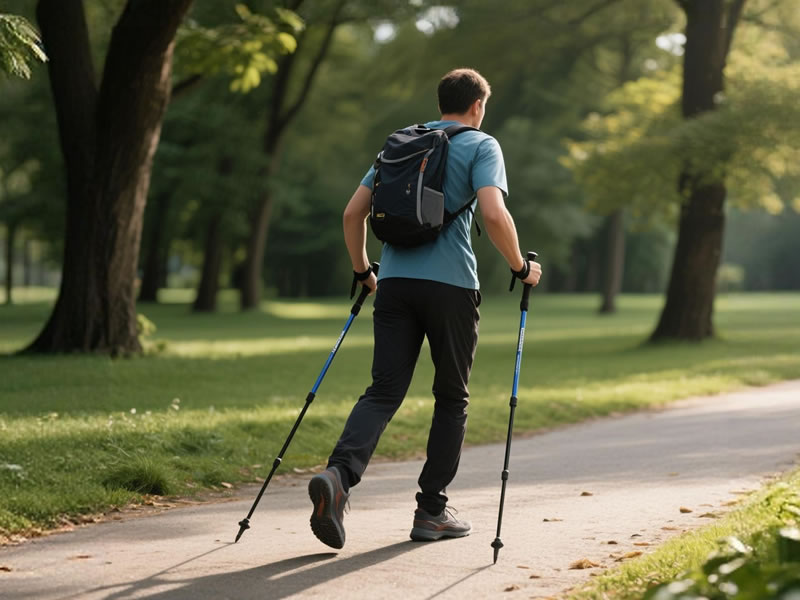
Recommended trekking pole purchase link: https://s.click.aliexpress.com/e/_c4M7OWaN
Understanding How Walking Poles Relieve Spinal Stress
Walking poles address back pain through multiple simultaneous mechanisms that work together to create a more spine-friendly walking experience:
Postural Realignment:
The most immediate benefit of walking poles is their ability to improve posture. When you hold poles correctly, they naturally encourage:
- Spinal elongation and reduced forward head positioning
- Shoulder retraction and decreased thoracic rounding
- Proper pelvic alignment instead of anterior tilting
- Engagement of core stabilizer muscles
This postural improvement alone can significantly reduce the muscle tension and joint compression that contribute to chronic back pain.
Spinal Decompression:
The forward-leaning position encouraged by proper pole use creates gentle traction in the lumbar spine. This leaning action can increase the space between vertebrae by 10-15%, potentially relieving pressure on compressed nerves and bulging discs. The effect is particularly beneficial for conditions like spinal stenosis and herniated discs.
Impact Reduction:
Research demonstrates that using walking poles can reduce spinal shock absorption demands by up to 25%. Each footstrike generates forces that travel up through your skeleton—poles intercept and dissipate these forces before they reach your vulnerable spinal structures.
Muscular Balance Restoration:
Back pain often results from muscular imbalances where some muscles become overactive while others weaken. Poles help rebalance this equation by:
- Engaging core muscles throughout the gait cycle
- Reducing over-reliance on spinal erectors and hip flexors
- Encouraging glute activation through improved pelvic positioning
- Distributing workload across upper body muscles
Scientific Evidence: What Research Reveals About Poles and Back Pain
Multiple studies validate the benefits of poles for back pain sufferers:
- A 2017 study in the Journal of Back and Musculoskeletal Rehabilitation found that pole users with chronic low back pain reported 38% greater pain reduction compared to standard walkers
- Research published in Clinical Biomechanics demonstrated 22% reduction in lumbar compression forces during pole-assisted walking
- A Scandinavian study showed that regular Nordic walking participants required 45% less pain medication than control groups
- Long-term research indicates that consistent pole users maintain better spinal alignment and experience fewer pain flare-ups
Optimal Techniques for Different Back Conditions
For Herniated Discs:
- Use a more pronounced forward lean to create intervertebral space
- Focus on smooth, rhythmic pole plants rather than jarring placements
- Avoid twisting motions during pole plants
- Consider slightly shorter poles to maintain comfortable positioning
For Spinal Stenosis:
- The forward-flexed position naturally opens the spinal canal
- Use poles to support yourself during brief standing rests
- Take smaller, more frequent steps to maintain optimal spinal positioning
- Choose poles with excellent shock absorption properties
For Sacroiliac Joint Dysfunction:
- Focus on symmetrical pole planting to maintain pelvic balance
- Use poles to reduce vertical forces transmitted through the pelvis
- Engage core muscles consciously throughout the walking motion
- Avoid overstriding, which can exacerbate SI joint stress
For Muscle Strain and Spasms:
- Use poles to reduce overall muscular workload
- Maintain a relaxed grip to prevent tension from traveling to back muscles
- Focus on rhythmic breathing coordinated with pole plants
- Gradually increase walking distance as pain allows
Equipment Selection for Back Pain Sufferers
Shock Absorption Priority:
For back pain, poles with integrated suspension systems are particularly valuable. Look for:
- Internal spring mechanisms with adjustable tension
- Carbon fiber construction, which naturally dampens vibration
- Systems that allow customization based on your weight and sensitivity
Ergonomic Grip Considerations:
Since tension often travels from hands to back:
- Choose grips that maintain neutral wrist positioning
- Consider angled grips that reduce shoulder strain
- Select materials that remain comfortable during extended use
- Ensure straps are padded and adjustable
Length Adjustment Precision:
Proper length is crucial for spinal benefits:
- Standard adjustment should create 90-degree elbow angles
- Consider slightly longer poles if you have significant forward flexion needs
- Ensure mechanisms allow fine-tuning for optimal positioning
Developing a Therapeutic Walking Program
Progressive Approach:
- Week 1-2: Focus on technique with 10-15 minute sessions on level ground
- Week 3-4: Gradually increase to 20-30 minutes while maintaining proper form
- Week 5-6: Introduce gentle inclines and varied surfaces
- Week 7+: Build toward 45-60 minute sessions as pain allows
Pain Monitoring:
- Use a pain scale (0-10) to track your response
- Note any changes in pain during, immediately after, and the day following walks
- Adjust intensity based on your pain response rather than predetermined goals
Integration with Other Therapies:
- Perform prescribed stretching before pole walks
- Use ice or heat therapy after sessions if recommended
- Combine pole walking with core strengthening exercises
- Practice posture awareness during daily activities
Common Mistakes That Can Worsen Back Pain
Overstriding with Poles:
Taking excessively long steps while using poles increases spinal rotation and can exacerbate certain back conditions. Focus on maintaining a natural, comfortable stride length.
Poor Core Engagement:
Simply going through the motions with poles without conscious core engagement misses one of their primary benefits. Practice "bracing" your abdominal muscles throughout the walking motion.
Improper Lean:
Leaning too far forward or not enough can both cause problems. Aim for a natural forward inclination from your ankles rather than bending at your waist.
Gripping Too Tightly:
Excessive grip tension travels directly to shoulder and neck muscles, often referring pain to the upper back. Maintain a relaxed, secure grip rather than a death grip.
Real User Experiences and Clinical Observations
Sarah's Story (Chronic Lower Back Pain):
"After years of avoiding long walks due to lower back pain, walking poles have been transformative. The forward lean position seems to take pressure off my lumbar spine, and I can now walk for miles without the usual ache setting in. It's given me back an activity I thought I'd lost forever."
Clinical Perspective (Dr. Michael Chen, Physical Therapist):
"I frequently recommend walking poles for back pain patients, particularly those with spinal stenosis and disc issues. The combination of improved posture, reduced impact, and core engagement addresses multiple contributors to back pain simultaneously. Patients who incorporate poles into their routine typically show better long-term outcomes."
When to Use Caution or Avoid Poles
While walking poles help most back pain sufferers, certain situations require caution:
- During acute inflammatory flare-ups when any movement exacerbates pain
- If using poles causes increased pain or new symptoms
- When balance is severely compromised
- If you have specific medical advice against upper body weight-bearing
Long-Term Benefits Beyond Pain Relief
Regular pole use offers additional advantages for back pain sufferers:
- Improved posture that carries over to daily activities
- Enhanced core strength that provides natural spinal support
- Better balance and coordination reducing fall risk
- Increased confidence in movement capabilities
- Sustainable exercise habit that supports overall spinal health
Conclusion: A Step Toward Sustainable Back Health
Walking poles represent more than a temporary pain management strategy—they're a tool for fundamentally improving how you move and supporting your spine during activity. By addressing the biomechanical factors that contribute to back pain, they can help break the cycle of pain and inactivity that often characterizes chronic back conditions.
The journey to reduced back pain requires patience and consistent practice. Start slowly, focus on proper technique, and listen to your body's signals. For many back pain sufferers, walking poles provide the missing link that enables comfortable, sustainable movement—opening the door to increased activity, improved fitness, and better quality of life.
Remember that while walking poles can significantly alleviate back pain, they work best as part of a comprehensive approach that includes appropriate medical care, targeted exercises, and lifestyle modifications. Consult with your healthcare provider to determine if walking poles might benefit your specific condition, and take that first step toward more comfortable movement today.




