




Walking Poles for Fibromyalgia: A Gentle Approach to Managing Symptoms
Fibromyalgia presents a complex challenge characterized by widespread pain, fatigue, and cognitive difficulties that can make even simple activities like walking feel overwhelming. The condition's unique combination of symptoms requires carefully calibrated approaches to physical activity—too much can trigger flare-ups, while too little can lead to deconditioning. Walking poles emerge as an ideal solution in this delicate balance, offering support that makes movement more accessible while actively addressing several core fibromyalgia symptoms. This comprehensive guide explores how properly used walking poles can become valuable tools in your fibromyalgia management strategy.
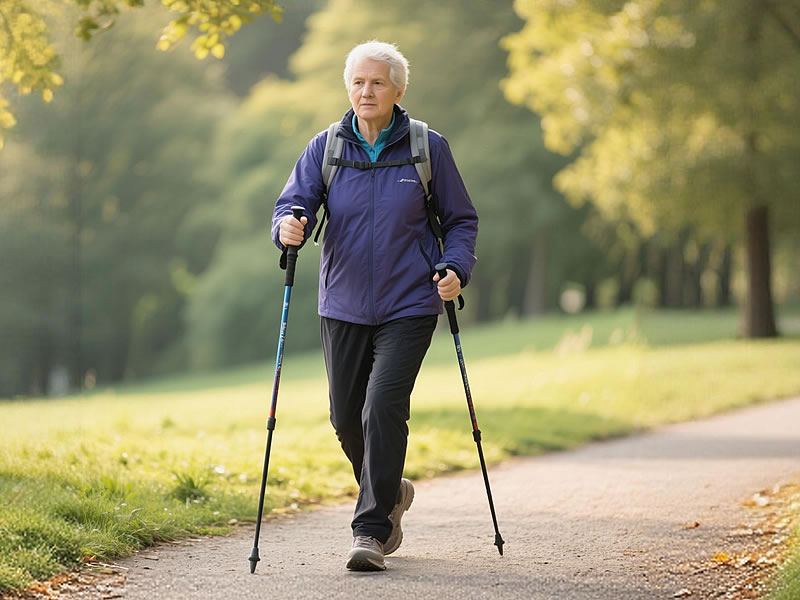
Recommended trekking pole purchase link: https://s.click.aliexpress.com/e/_c4M7OWaN
Understanding How Walking Poles Address Fibromyalgia Symptoms
Walking poles help manage fibromyalgia through multiple mechanisms that directly counter the condition's most challenging aspects:
Pain Reduction Through Weight Distribution:
Fibromyalgia often makes weight-bearing activities painful. Walking poles can redistribute 20-30% of your body weight from your lower body to your upper body, significantly reducing impact on painful joints in the hips, knees, and ankles. This redistribution is particularly valuable during flare-ups when lower body sensitivity is heightened.
Energy Conservation and Pacing Support:
The fatigue associated with fibromyalgia often limits activity tolerance. Poles help conserve energy by:
- Providing stability that reduces the muscular effort required for balance
- Creating a more efficient walking pattern that uses less energy
- Allowing you to maintain better posture with less conscious effort
- Offering support when fatigue sets in suddenly
Improved Circulation and Reduced Stiffness:
The gentle, rhythmic arm movement encouraged by pole use promotes better blood circulation, which can help reduce morning stiffness and improve overall mobility. The coordinated full-body movement also helps prevent the muscular rigidity that often accompanies fibromyalgia.
Scientific Evidence: What Research Shows
While research specifically on fibromyalgia and walking poles is limited, studies on similar chronic pain conditions demonstrate promising results:
- A 2015 study in the Journal of Pain Research found that pole walking reduced pain sensitivity in chronic pain patients
- Research on chronic fatigue syndrome shows improved activity tolerance with pole use
- Multiple studies demonstrate that Nordic walking increases pain threshold in sedentary adults
- Clinical observations consistently report reduced pain and increased function in fibromyalgia patients using poles
Choosing the Right Equipment for Fibromyalgia Needs
Lightweight Construction is Essential:
Given the fatigue component of fibromyalgia, every ounce matters:
- Carbon fiber poles typically weigh 12-16 ounces per pair
- Aluminum options are slightly heavier but more affordable
- Avoid poles over 20 ounces, as the weight may exacerbate arm and shoulder pain
Shock Absorption Priority:
Look for poles with built-in suspension systems that reduce impact transmission. This feature is particularly valuable for fibromyalgia patients who may experience allodynia (pain from normally non-painful stimuli).
Ergonomic Grip Considerations:
Hand pain and stiffness are common in fibromyalgia:
- Choose grips with soft, forgiving materials like foam or cork
- Ensure straps are padded and adjustable to prevent pressure points
- Look for ergonomic shapes that require minimal grip strength
- Avoid hard plastic grips that can dig into sensitive hands
Easy-to-Use Adjustment Systems:
During flare-ups or "fibro fog" episodes, complex mechanisms become challenging:
- External lever locks are typically easier to manage than twist locks
- Clear length markings help with consistent setup
- Smooth adjustment action requires minimal strength
Proper Technique for Fibromyalgia Management
The Gentle Approach:
Unlike athletic pole techniques, fibromyalgia requires a modified approach:
- Use a lighter grip to prevent hand and arm fatigue
- Focus on smooth, flowing movements rather than powerful pushes
- Maintain a comfortable, natural rhythm rather than forcing pace
- Listen to your body's signals and adjust technique accordingly
Pacing and Energy Management:
- Start with shorter sessions (10-15 minutes) and gradually increase as tolerated
- Use poles to support rest breaks by leaning on them while standing
- Alternate between using poles and carrying them to vary muscle use
- Pay attention to early warning signs of fatigue and respect your limits
Pain Prevention Strategies:
- Warm up gently before using poles to prepare muscles and joints
- Focus on maintaining relaxed shoulders to prevent trapezius pain
- Use poles to test surfaces before stepping if balance is affected by symptoms
- Stop immediately if you notice any increase in pain or unusual sensations
Developing a Sustainable Practice
Starting Slowly:
- Week 1-2: Practice technique for 5-10 minutes daily without focusing on distance
- Week 3-4: Gradually increase to 15-20 minute sessions every other day
- Week 5-6: Work toward 30-minute sessions as symptoms allow
- Ongoing: Adjust frequency and duration based on your symptom patterns
Symptom-Led Progression:
Rather than following predetermined goals, let your symptoms guide your progress:
- Increase activity only when you've had several good days in a row
- Reduce intensity during weather changes that often worsen symptoms
- Account for your natural energy patterns (many with fibromyalgia have better energy at specific times of day)
- Keep an activity diary to identify your personal tolerance thresholds
Complementary Strategies for Enhanced Benefits
Combining with Other Therapies:
- Use poles during gentle stretching routines for support
- Incorporate breathing exercises while walking to manage stress
- Practice mindfulness by focusing on the rhythmic sound of pole plants
- Use poles to help maintain form during physical therapy exercises
Pain Management Integration:
- Time pole walks strategically around medication schedules
- Use poles to make hydrotherapy access easier (support while navigating pool areas)
- Combine with heat or cold therapy as needed before or after walks
- Employ poles as tools for gentle myofascial release techniques
Real User Experiences and Adaptations
Personal Success Story:
"Fibromyalgia had taken walking—one of my great joys—from me. The pain in my hips and knees limited me to just a few blocks. With walking poles, I've gradually built back to walking a mile most days. The poles don't eliminate my pain, but they make it manageable enough that I can enjoy being active again. The rhythmic motion is almost meditative, and I finish my walks feeling energized rather than exhausted." - Maria S., fibromyalgia patient since 2015
Practical Adaptations:
- Keep poles readily accessible to reduce the energy required to start activities
- Use different grip positions to vary muscle use during longer walks
- Have multiple tip options available for different surfaces and conditions
- Consider collapsible poles that are easier to transport on high-fatigue days
When to Be Cautious
While walking poles help most fibromyalgia patients, certain situations require special attention:
- During severe flare-ups, rest may be more appropriate than walking
- If you experience significant dizziness or balance issues, consult your doctor first
- When new or worsening pain patterns emerge, seek medical advice
- In extreme temperatures that typically worsen your symptoms
Conclusion: A Tool for Empowerment and Management
Walking poles won't cure fibromyalgia, but they can significantly improve your ability to manage symptoms and maintain mobility. By reducing pain, conserving energy, and supporting gentle activity, they address multiple fibromyalgia challenges simultaneously. Perhaps most importantly, they can help break the cycle of pain, inactivity, and deconditioning that often accompanies chronic illness.
The journey with fibromyalgia requires patience and self-compassion. Start slowly, celebrate small victories, and remember that some activity—even with support—is better than none. Your abilities may vary from day to day, and walking poles provide the flexibility to adapt your activity level accordingly.
If fibromyalgia has limited your mobility and reduced your quality of life, walking poles may offer the support you need to reclaim the joy of movement. Take that first supported step, listen to your body, and discover how this simple tool can make a meaningful difference in your daily life with fibromyalgia.




