




How to Use Walking Poles on Steep Descents: Mastering Downhill Control
Steep descents present some of the most challenging moments in hiking, placing extraordinary stress on knees, hips, and balance systems. While many hikers feel confident with poles on level ground, downhill sections require specialized techniques that transform poles from simple balance aids into crucial safety equipment. Proper descent technique can reduce impact forces on knees by up to 25%, prevent slips and falls, and dramatically increase your confidence on steep terrain. This comprehensive guide will transform your downhill hiking experience through mastery of pole techniques specifically designed for challenging descents.
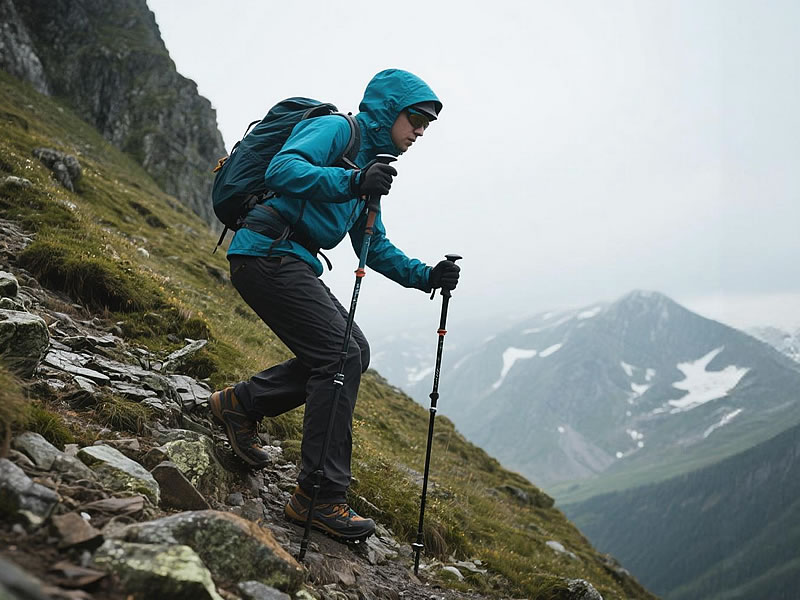
Recommended trekking pole purchase link: https://s.click.aliexpress.com/e/_c4M7OWaN
The Physics of Descents: Understanding Why Technique Matters
Downhill hiking generates forces equivalent to 2-3 times your body weight with each step, creating a perfect storm for joint damage and falls. Walking poles intervene in this equation by:
Distributing Impact Forces:
When you plant poles correctly during a descent, they absorb and redistribute energy that would otherwise travel directly through your joints. This force distribution is particularly crucial for protecting vulnerable knee cartilage and preventing long-term damage.
Creating Additional Stability Points:
On steep terrain, your two legs create a relatively narrow base of support. Adding two poles effectively creates a four-point contact system that dramatically increases stability, especially when navigating loose or uneven surfaces.
Controlling Descent Speed:
Properly used poles function as adjustable brakes, allowing you to control your downward momentum rather than being pulled by gravity. This controlled approach prevents the rushed, unstable steps that often lead to falls.
Essential Pre-Descent Preparation
Pole Length Adjustment:
Before beginning any significant descent, lengthen your poles by 5-10cm (2-4 inches) from your standard flat-terrain length. This adjustment allows you to:
- Plant poles while maintaining an upright torso position
- Reach ahead to test footing without excessive forward bending
- Maintain comfortable elbow angles (approximately 100-110 degrees) when planted
Equipment Safety Check:
- Verify that all locking mechanisms are fully secured
- Ensure rubber tips are removed for maximum trail penetration
- Check baskets are securely attached but not overly large for the terrain
- Confirm straps are properly positioned for quick release if needed
Core Descent Techniques for Various Conditions
The Diagonal Planting Method:
This fundamental technique provides maximum stability:
- Plant the left pole as your right foot steps downward
- Time the right pole with your left foot movement
- Maintain this contralateral rhythm throughout the descent
- Focus on planting poles slightly ahead and to the sides of your body
The Double Pole Plant for Technical Sections:
On extremely steep or loose terrain:
- Plant both poles simultaneously before taking each step
- Transfer your weight fully onto the poles before moving your feet
- Use this "tripod" formation for maximum stability
- Progress in controlled, deliberate movements
The Sideways Descent Technique:
When facing exceptionally steep terrain:
- Turn sideways to the slope with your body facing across the hill
- Place both poles on the downhill side for support
- Step down with your lower foot first, followed by the upper
- Use poles as a stable handrail while descending laterally
Body Positioning and Movement Mechanics
Center of Gravity Management:
- Keep your weight centered over your feet rather than leaning backward
- Maintain slightly bent knees to absorb impact naturally
- Engage your core muscles to stabilize your torso
- Avoid the natural tendency to lean back, which reduces traction
The Controlled Step Technique:
- Place your heel first rather than your entire foot
- Roll smoothly from heel to toe with each step
- Keep steps shorter than normal to maintain balance
- Use your poles to control the speed of each foot placement
Vision and Planning:
- Look 2-3 steps ahead to plan your pole placements
- Identify stable planting points before committing weight
- Scan for potential hazards like loose rocks or slippery surfaces
- Use peripheral vision to maintain awareness of your immediate footing
Terrain-Specific Descent Strategies
Loose Gravel and Scree:
- Plant poles firmly before each step to test stability
- Use a wider pole placement for increased balance
- Keep weight centered and movements fluid
- Consider shorter, quicker steps to maintain momentum control
Muddy and Slippery Surfaces:
- Use pole tips to probe for firm footing
- Plant poles at a shallower angle for better slip resistance
- Increase the frequency of pole plants for continuous support
- Be prepared for poles to sink deeper than expected
Rocky and Uneven Terrain:
- Test each pole placement before applying full weight
- Use poles to pivot around obstacles
- Plant in cracks or against stable rock surfaces
- Shorten poles slightly for better control on technical sections
Advanced Techniques for Experienced Hikers
The Dynamic Braking Method:
- Apply downward pressure through the poles during each step
- Use your arms to control descent speed actively
- Angle pole tips slightly backward to increase braking effect
- Coordinate pole pressure with step timing for smooth control
The Quick Descent Rhythm:
For less technical but steep trails:
- Develop a rapid, rhythmic pole planting cadence
- Maintain light but continuous contact with the ground
- Use minimal arm effort while letting gravity provide momentum
- Focus on fluidity rather than power
Common Mistakes and How to Correct Them
Overbraking with Poles:
Applying excessive downward force through the poles can cause tip slippage and shoulder strain. Instead, focus on moderate, consistent pressure that controls rather than stops your descent.
Incorrect Pole Angle:
Planting poles too vertically reduces their effectiveness as brakes. Aim for a 15-30 degree forward angle that allows proper weight transfer and braking action.
Gripping Too Tightly:
White-knuckle gripping transfers impact to your hands and arms while reducing sensitivity to the terrain. Maintain a firm but relaxed grip that allows subtle adjustments.
Safety Considerations and Risk Management
Assessing Terrain Difficulty:
- Evaluate slope angle and surface conditions before descending
- Consider turning back if conditions exceed your skill level
- Look for alternative routes if available
- Factor in fatigue, weather, and daylight remaining
Emergency Procedures:
- Know how to use poles for self-arrest on slippery surfaces
- Understand how to quickly shed poles if you need your hands free
- Practice falling techniques that minimize injury risk
- Always keep pole straps properly positioned for quick release
Training Exercises for Improving Descent Skills
Progressive Difficulty Training:
- Begin on gentle, predictable slopes to build fundamental skills
- Gradually increase steepness as technique improves
- Practice on various surfaces to develop adaptability
- Incorporate descent training into every hike
Specific Skill Drills:
- Practice the "step and plant" rhythm on moderate terrain
- Work on weight transfer by intentionally leaning on poles
- Develop quick reactions by having a partner call out planting commands
- Build endurance with repeated short descents
Equipment Recommendations for Steep Descents
Pole Features That Enhance Safety:
- Carbon fiber construction provides natural vibration damping
- External lever locks offer more reliable performance under load
- Reinforced tips maintain grip on rocky surfaces
- Contoured grips reduce hand fatigue during extended braking
Maintenance Considerations:
- Regularly inspect tips for wear and replace when necessary
- Check locking mechanisms for any signs of slippage
- Clean poles after muddy descents to prevent mechanism damage
- Store properly to maintain structural integrity
Conclusion: Transforming Fear into Confidence
Mastering downhill pole technique transforms one of hiking's most intimidating challenges into an opportunity to move with grace, control, and confidence. The skills developed through proper descent training not only protect your joints from cumulative damage but also open up new possibilities for exploring challenging terrain safely.
Remember that proficiency comes through consistent practice rather than innate ability. Start with moderate slopes, focus on fundamental techniques, and gradually progress to more demanding descents as your skills develop. The investment in learning proper downhill pole use pays dividends in extended hiking longevity, reduced injury risk, and the pure joy of moving competently through mountainous landscapes.
Your next steep descent doesn't have to be a white-knuckle experience. With poles as your partners in control and the techniques outlined in this guide, you can approach downhill sections not with apprehension, but with the confident knowledge that you have the skills to descend safely, efficiently, and comfortably. The mountains are waiting—descend with confidence.




