




Walking Pole Technique for Ixy Conditions: A Comprehensive Safety Guide
Winter transforms familiar trails into potentially hazardous terrain where ordinary hiking techniques become inadequate. Icy conditions demand specialized pole techniques that go beyond standard hiking practices, requiring both equipment modifications and adapted movement patterns. Proper pole use on ice can mean the difference between confident mobility and dangerous falls, reducing slip incidents by up to 70% according to mountain safety research. This comprehensive guide covers everything from equipment preparation to advanced techniques that will keep you secure on winter's most challenging surfaces.
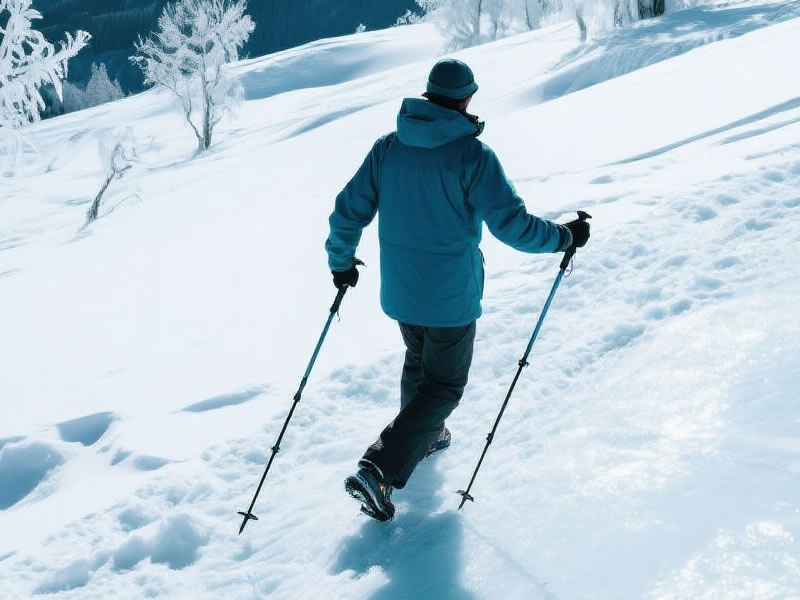
Recommended trekking pole purchase link: https://s.click.aliexpress.com/e/_c4M7OWaN
Essential Equipment Modifications for Ice
Specialized Tip Systems:
Standard rubber tips and even conventional carbide tips often prove insufficient on hard ice. For maximum security, consider these options:
- Ice-specific carbide tips: Feature more aggressive, deeper angles that bite into hard surfaces
- Integrated ice grips: Systems like Black Diamond's Whippet or Leki's Wolf Shark combine pole functions with ice axe capabilities
- Screw-in ice spikes: Removable systems that provide mountaineering-level penetration
- Hybrid systems: Combine traditional tips with additional forward-pointing spikes for mixed conditions
Basket Considerations:
While snow baskets prevent sinking in powder, they can be problematic on ice:
- Smaller winter baskets: Provide a middle ground between standard and powder baskets
- Removable systems: Allow quick changes as conditions vary
- Hardened materials: Prevent brittleness in freezing temperatures
Shaft and Grip Preparations:
- Anti-icing treatments: Apply specialized sprays to prevent ice buildup on shafts
- Insulated grips: Prevent hand contact with freezing metal components
- Secure leash systems: Ensure poles remain attached during slips or falls
Fundamental Techniques for Basic Ice Navigation
The Wide-Stance Plant:
On uncertain surfaces, widen your pole placement beyond your normal shoulder-width position:
- Creates a more stable base of support
- Allows for better weight distribution between points of contact
- Provides additional reaction time if one pole slips
- Maintain poles at approximately 45-degree angles for optimal force vectoring
The Test-Tap-Trust Sequence:
Never commit full weight to a pole placement without verification:
- Test: Gently place the tip to assess surface hardness
- Tap: Apply moderate pressure to check penetration potential
- Trust: Only after confirming stability, transfer appropriate weight
Pressure Application Technique:
- Apply force gradually rather than abruptly
- Use downward pressure rather than forward or backward force initially
- Keep elbows slightly bent to absorb sudden shifts
- Maintain constant, moderate pressure rather than intermittent force
Advanced Techniques for Challenging Conditions
The Double-Point Contact Method:
For extremely slick surfaces, maintain at least two secure contact points at all times:
- Move only one limb (arm or leg) at a time
- Ensure three points remain grounded during each movement
- Progress in deliberate, controlled sequences
- Practice this method on safe terrain before needing it in hazardous conditions
The Angled Penetration Strategy:
Rather than planting poles vertically, use strategic angles:
- Forward angle: Provides braking action on descents
- Side angle: Creates lateral stability on traverses
- Rear angle: Offers propulsion on inclines
- Mixed angles: Adapt to changing terrain within single movements
Rhythmic versus Deliberate Timing:
- Rhythmic planting: Works on consistent, predictable ice
- Deliberate planting: Essential for variable or uncertain surfaces
- Transition awareness: Recognize when to switch between timing strategies
Terrain-Specific Applications
Black Ice and Glazed Surfaces:
- Use shorter, quicker pole plants
- Keep weight centered directly over feet
- Reduce stride length significantly
- Consider "flat-footing" or "French technique" used in mountaineering
Ice-Covered Inclines:
- Shorten poles for uphill sections
- Plant poles at the side of your feet rather than directly ahead
- Use poles to create a "tripod" with your legs
- Focus on steady pressure rather than powerful pushes
Frozen Water Crossings:
- Test ice thickness with poles before committing weight
- Use poles as probes to identify weak spots
- Keep poles ready for self-arrest if breaking through
- Distribute weight across all four contact points
Mixed Snow and Ice Conditions:
- Adapt technique instantly as surface conditions change
- Remove baskets when they collect snow that reduces ice penetration
- Clean tips frequently to maintain sharp contact
- Vary pressure based on surface feedback
Safety Protocols and Fall Prevention
The Balanced Readiness Stance:
- Keep knees slightly bent and centered over feet
- Maintain a low center of gravity
- Distribute weight evenly between all contact points
- Stay relaxed to allow for quick adjustments
Recovery Techniques for Slips:
- Use poles to create immediate additional contact points
- Lower your center of gravity at the first sign of instability
- Execute controlled slides rather than fighting momentum
- Practice falling techniques in safe environments
Emergency Self-Arrest:
While not replacing ice axe techniques, poles can provide limited self-arrest capability:
- Position poles across your body when falling
- Dig tips into ice while maintaining grip
- Use your body weight to increase tip penetration
- Understand the limitations of poles compared to proper ice axes
Training and Skill Development
Progressive Practice Regimen:
- Begin on gentle, known icy surfaces
- Practice fundamental techniques until they become automatic
- Gradually introduce more challenging conditions
- Incorporate balance exercises into regular training
Simulation Drills:
- Practice on non-icy surfaces using visualizations
- Use balance boards to improve stability skills
- Conduct partner-assisted slipping drills
- Film your technique for self-analysis
Equipment Familiarization:
- Test different tip systems in controlled environments
- Practice quick transitions between tip types
- Learn maintenance procedures for winter conditions
- Develop pre-hike equipment inspection routines
Complementary Gear and Preparation
Footwear Integration:
Poles complement but don't replace proper footwear:
- Microspikes or crampons typically remain essential
- Coordinate pole planting with foot placement
- Understand how different traction systems interact with pole techniques
Weather and Condition Assessment:
- Recognize temperature patterns that create different ice types
- Understand how sunlight affects ice stability throughout the day
- Learn to identify potentially hazardous ice formations
- Develop decision-making protocols for turning back
Common Mistakes and Corrections
Overreliance on Poles:
Poles supplement rather than replace proper technique and judgment:
- Mistake: Trusting poles completely on dangerous ice
- Correction: Use poles as one component of a comprehensive safety system
Improper Tip Maintenance:
- Mistake: Using worn tips that provide inadequate penetration
- Correction: Regularly inspect and replace tips before complete wear occurs
Inadequate Adaptation:
- Mistake: Using the same technique regardless of ice conditions
- Correction: Develop a repertoire of techniques for different scenarios
Conclusion: Confidence Through Preparedness
Mastering walking pole techniques for icy conditions transforms winter hiking from a potentially hazardous activity to an enjoyable, accessible pursuit. The key lies in recognizing that ice demands respect and specialized approaches that differ dramatically from fair-weather hiking. By combining proper equipment, practiced techniques, and sound judgment, you can safely navigate winter landscapes that would otherwise be inaccessible.
Remember that skill development occurs gradually through consistent practice rather than sudden revelation. Begin with basic techniques on low-risk terrain, progressively building both competence and confidence. The most effective winter hikers aren't necessarily the strongest or most daring—they're the most prepared, adaptable, and technically proficient.
Your poles stand ready as versatile tools that can significantly enhance your safety on ice. With the techniques outlined in this guide and a commitment to progressive skill development, you'll find yourself looking forward to winter's challenges rather than fearing them. The frozen landscape offers unique beauty and solitude—proper pole technique provides the means to experience them safely.




