




Can You Use Walking Poles While Walking a Dog?
The simple answer is a resounding yes. Combining Nordic walking or trekking poles with your daily dog walk is not only possible but can be a fantastic way to elevate a routine activity into a more powerful, balanced, and engaging experience for both you and your canine companion. However, turning this concept into a smooth, enjoyable routine requires some forethought, the right equipment, and a bit of practice.
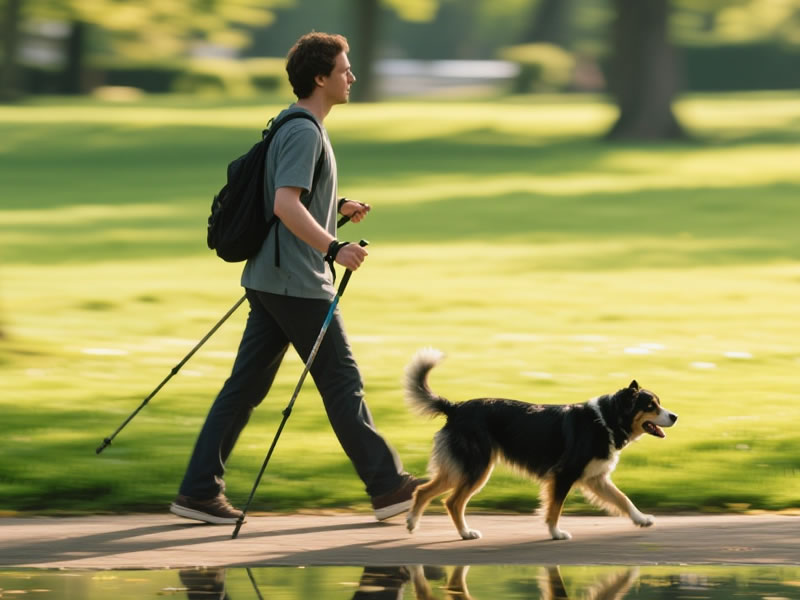
Recommended trekking pole purchase link: https://s.click.aliexpress.com/e/_c4M7OWaN
The Benefits: A Win-Win Situation
For you, the human, the advantages are substantial:
- Enhanced Stability and Joint Relief: Walking poles transform two points of contact (your feet) into four, significantly improving your balance on uneven terrain, muddy paths, or icy sidewalks. This extra stability is a boon if you have a dog that occasionally pulls, as the poles help you brace yourself without straining your back, knees, or ankles.
- Full-Body Workout: Unlike regular walking, using poles correctly engages your upper body, shoulders, chest, and core muscles. This turns a simple stroll into a comprehensive, low-impact cardiovascular workout, burning more calories and improving overall fitness.
- Power and Pace: Poles can help you maintain a brisk, consistent pace, especially on inclines. They provide a powerful push-off that propels you forward, making those hilly routes more manageable.
For your dog, the walk remains the highlight of their day, but with added perks:
- A More Focused Handler: Using poles encourages a steady, rhythmic gait, which can have a calming effect on your dog. You become a more predictable and centered walking partner.
- Clear Communication: The poles can act as a subtle physical boundary, helping to guide your dog and discourage them from crisscrossing in front of you, a common tripping hazard.
The Practicalities: Gear and Technique
Success hinges on preparation. The single most important piece of gear is your leash setup. A standard handheld leash is a recipe for tangles.
- Opt for a Hands-Free Leash: A waist-attached hands-free leash is the gold standard for this activity. It clips around your waist, freeing up your hands to use the poles naturally and safely. This setup distributes any sudden pulling force across your core rather than your arm or shoulder.
- Choose the Right Poles: Adjustable trekking poles are ideal. You may want to set them slightly shorter than for hiking alone to allow for a more natural arm swing alongside your dog.
Training for Harmony: You and Your Dog
Before you hit the trail, practice in a safe, open, and familiar area like your backyard or a quiet park.
- Master the Poles Alone: First, get comfortable with the pole rhythm without your dog. Establish your cadence.
- Introduce the Dog on a Leash: With your dog leashed (preferably on the hands-free setup), walk with the poles. Keep treats handy to reward your dog for maintaining a steady position, ideally walking at your side without paying attention to the poles.
- Manage the "Tangle Factor": Teach your dog a cue like "Watch out" or "Step over" if they get too close to the poles. Gently use the pole to create a visual barrier if they start to wander into your path.
- Start Simple: Begin with short sessions on straight paths before attempting complex routes with sharp turns or heavy obstacles.
Important Considerations
This activity is best suited for dogs with basic leash manners. If your dog is a strong, reactive, or unpredictable puller, it's crucial to address that training first before introducing the complexity of poles. The safety of you, your dog, and others is paramount.
In conclusion, using walking poles while walking your dog is a brilliant synergy of fitness and function. It enhances your workout, protects your joints, and can lead to more focused and enjoyable walks for your four-legged friend. With the right preparation and a little patience, you can confidently answer "yes" and embark on a new, healthier walking ritual together.




