




Best Walking Poles for Photographers: Merging Trail Stability with Shooting Support
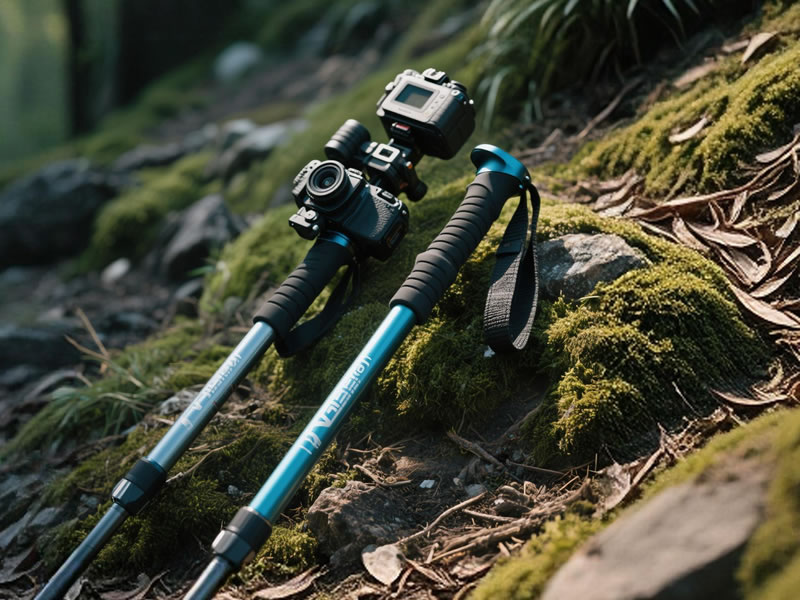
For the photographer who hikes, the gear dilemma is real. Every ounce in your pack is accounted for, and every piece of equipment must earn its place. This is where the standard walking pole falls short, and a purpose-driven choice becomes essential. The best walking poles for photographers aren't just aids for navigating trails; they are multifunctional tools designed to enhance your craft, providing stability for your body and, crucially, for your camera.
Recommended trekking pole purchase link: https://s.click.aliexpress.com/e/_c4M7OWaN
Choosing the right pole can mean the difference between a sharp, breathtaking landscape shot and a blurry, missed opportunity. Let's break down the key features that transform a good walking pole into a photographer's best friend.
The Non-Negotiable Feature: The Integrated Monopod
This is the single most important characteristic. Many premium walking poles feature a standard 1/4-20 camera thread hidden under the wrist strap anchor or the grip itself.
- How It Works: Simply unscrew the top part of the grip to reveal the thread. You can then screw your camera directly onto the pole, instantly converting it into a sturdy monopod.
- Why It's a Game-Changer: It eliminates the need to carry a separate monopod, saving significant weight and space in your pack. This allows you to capture sharp images in low-light conditions (sunrise, sunset, forests), achieve motion blur in waterfalls, or simply stabilize a long telephoto lens without the bulk of a full tripod.
Key Features to Prioritize
Beyond the monopod thread, several other features are critical for the photographer on the move.
- Material: Carbon Fiber for the WinCarbon Fiber: This is the top choice. It is significantly lighter than aluminum, reducing fatigue on long approaches to your shoot location. More importantly, it has superior vibration damping properties, which means less high-frequency shake is transmitted to your camera when used as a monopod, resulting in sharper images.Aluminum: Durable and more affordable, but heavier and transmits more vibration. It's a solid budget option, but for the weight-conscious photographer, carbon fiber is worth the investment.
- Locking Mechanism: Flick Locks for SpeedFlick Locks (Lever Locks): These allow for rapid, tool-free adjustment of the pole's length, even with cold or gloved hands. When you need to quickly set up your monopod to catch the perfect light, speed matters. They are also generally more secure and easier to tighten firmly.Twist Locks: These can be slower to adjust and are more prone to slipping if not tightened perfectly. They can also freeze or get clogged with dirt more easily.
- Weight and Packed SizeEvery gram counts. Look for poles that are lightweight (often under 1 pound / 450g per pair for carbon fiber) and collapse down to a compact size (around 15-16 inches). This makes them easy to strap to your pack when you need your hands free for scrambling or when you’ve reached your primary shooting location.
- Grip and StrapChoose a comfortable, ergonomic grip (cork is excellent for moisture-wicking). A removable wrist strap is beneficial, as it can get in the way when using the pole as a monopod.
How to Use Your Pole as an Effective Monopod
Owning the right pole is only half the battle; technique is key.
- Create a Stable Tripod: The most stable monopod setup uses your own body. Plant the pole firmly and then lean into it, placing your feet slightly apart. Tilt the pole slightly towards you, creating a stable "tripod" with your two legs and the single pole.
- Control Your Breath: Hold your breath as you press the shutter button to minimize body movement.
- Use a Timer or Remote: To eliminate any shake from pressing the shutter button, use a 2-second timer or a wireless remote shutter release.
Top Recommendations & What to Look For
While specific models update yearly, look for poles from reputable brands known for this feature:
- Leki: Many of their higher-end models feature the patented Camera Connection System (CCS), a robust and integrated solution.
- Black Diamond: The Trail Pro Shock poles have been popular for their flick locks and some models offer camera adapters.
- Manfrotto: As a leader in camera support, their Offroad Tripod Trekking Poles are specifically designed for this dual purpose, though they are on the heavier side.
The Verdict
For the photographer who ventures off the beaten path, a dedicated walking pole with an integrated monopod thread is not a luxury—it's a core piece of kit. It solves two critical problems at once: ensuring your personal safety and stability on the trail, and providing the necessary support to capture sharp, professional-quality images in challenging conditions. By prioritizing carbon fiber construction, a reliable flick-lock system, and the essential camera thread, you invest in a tool that will support both your journey and your art.




