




Best Walking Poles for Geocaching: Your Essential Tool for the Treasure Hunt
Geocaching is the ultimate modern-day adventure, combining technology, exploration, and the thrill of the hunt. It can lead you down beautiful trails and directly into off-trail thickets, muddy ravines, and rocky outcrops. While a GPS device or smartphone is your primary tool, the unsung hero of a successful and comfortable geocaching trip is a reliable pair of walking poles. They are far more than just hiking aids; they are versatile tools that enhance safety, efficiency, and enjoyment from the first hint to the final find.
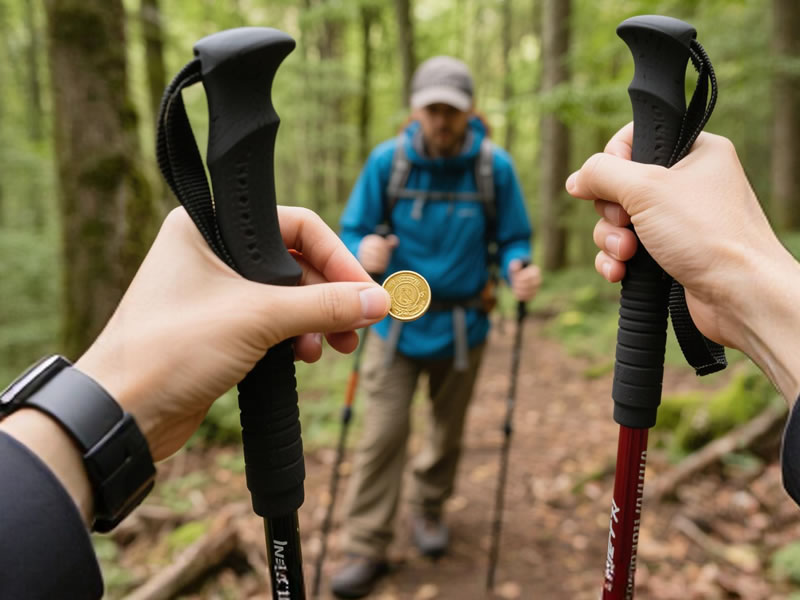
Recommended trekking pole purchase link: https://s.click.aliexpress.com/e/_c4M7OWaN
Choosing the right poles for geocaching requires considering a unique blend of durability, convenience, and added functionality.
Why Every Geocacher Should Consider Walking Poles
The benefits of poles extend well beyond simple trail walking, addressing challenges specific to the geocacher's quest.
- Off-Trail Stability and Safety: Many of the best caches are hidden away from maintained paths. Poles provide critical balance when bushwhacking through uneven terrain, crossing streams, or navigating slippery slopes. They act as probes to test the stability of the ground ahead and can help part thorny bushes or spider webs before you walk through them.
- Hands-Free Efficiency (When You Need Them): A great geocaching pole is one you can forget about when your hands are full. The ability to quickly collapse and stow your poles is essential when you need both hands to sign a logbook, inspect a tricky hiding spot, or handle trackables. This makes collapsibility a top priority.
- The "Tool" Multi-Functionality: Beyond stability, a pole can be a direct aid in the hunt.Probing and Retrieval: Gently use the tip to probe into hollow logs, check under dense brush, or even carefully nudge a cache from a slightly out-of-reach location.Smartphone/GPS Monopod: This is a game-changing feature. Many caches are hidden in dark nooks or require precise coordinates. A pole with a standard 1/4-20 camera thread can be converted into a monopod, stabilizing your phone or GPS for a clearer screen view and more accurate coordinate reading.
- Endurance for Long Days: A full day of geocaching can mean miles of walking with frequent stops and starts. Poles reduce the impact on your knees and ankles, distribute the workload to your upper body, and help you maintain energy throughout the day, allowing you to hunt for "just one more cache."
Key Features to Look for in a Geocaching Pole
When shopping, prioritize these specific characteristics:
- Durability and Weight: You need a pole that can handle abuse from off-trail use without weighing you down. Aluminum alloys (like 7075) offer excellent durability and are a great value for tackling rough terrain. Carbon fiber is lighter and reduces arm fatigue, but ensure it's a high-quality model that can withstand side impacts from rocks and logs.
- Collapsibility and Packed Size: This is non-negotiable. Z-poles (foldable) or three-section telescopic poles are ideal. They can be quickly collapsed to a compact size (often under 16 inches) and strapped to your pack in seconds when your hands are needed for the hunt.
- Locking Mechanism: Flick locks (lever locks) are generally preferred for geocaching. They are more reliable when dirty, easier to adjust with cold hands, and provide a more secure lock than twist mechanisms, which can slip or become clogged with mud.
- The All-Important Camera Thread: As mentioned, a built-in camera thread under the handle is a huge bonus. It allows you to attach a standard smartphone adapter, turning your pole into a steady monopod for perfect photos of your find or for holding your device steady to zero in on coordinates.
- Grips and Tips: Cork grips are excellent for managing sweat during long pursuits. For tips, durable carbide tips provide grip on everything from rock to wood, and interchangeable rubber feet are useful for paved sections between caches.
Top Pole Recommendations for the Adventurous Geocacher
While models change, look for poles that embody the following traits:
- The All-Rounder (Aluminum): A durable, telescopic aluminum pole with flick locks (e.g., Black Diamond Trail Trekking Poles). It’s tough enough for serious bushwhacking and a reliable workhorse.
- The Lightweight Specialist (Carbon Fiber): A collapsible carbon Z-pole (e.g., Black Distance Z Poles or Leki Micro Vario). Perfect for the geocacher who covers long distances and values speed and light weight.
- The Tech-Integrated Pole: Any model from brands like Leki that offer a dedicated Camera Connection System (CCS) or similar integrated thread, ensuring a robust platform for your phone.
Mastering the Technique
Practice using your poles to probe and test surfaces. Develop a quick routine for collapsing and deploying them. When using the monopod function, lean into the pole to create a stable tripod with your two legs, ensuring a rock-steady hold for your device.
In conclusion, the best walking poles for geocaching are those you barely notice until you need them. They are a strategic piece of gear that bridges the gap between hiking and treasure hunting. By providing stability for the journey, security for the exploration, and a steady platform for your technology, they empower you to search longer, venture further, and focus on the joy of the find. In the world of geocaching, the right pole isn't just an accessory—it's a force multiplier for adventure.




