




Best Walking Poles for Rainy Weather?
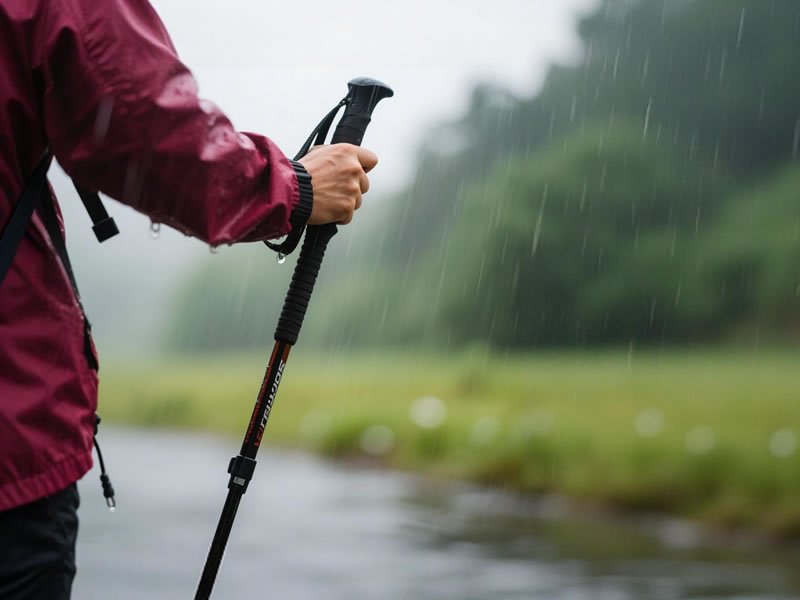
Rainy weather transforms a trail, but it also introduces a unique set of challenges: slippery roots, muddy slopes, and wet, slick rocks. In these conditions, your walking poles become your first line of defense against slips and falls. However, not all poles are created equal when faced with relentless moisture. Choosing the right pair, built with materials that perform when wet, is crucial for maintaining safety and comfort on a soggy trek.
Recommended trekking pole purchase link: https://s.click.aliexpress.com/e/_c4M7OWaN
Key Features to Look for in Rain-Ready Poles
When shopping for poles to withstand damp climates, focus on these three critical components:
1. The Grip: Your Primary Contact Point
The grip material is arguably the most important factor in wet weather. You need a surface that remains secure even when soaked.
- Cork: The undisputed champion for rainy conditions. Cork is a natural material that wicks moisture away from your hand and, uniquely, conforms to the shape of your palm over time. Even when wet, it provides an excellent, non-slip grip. It also naturally resists harboring odors.
- Foam (EVA): A very strong contender. High-quality foam grips are extremely comfortable and excel at absorbing moisture and sweat. While they may feel "soggy" when wet, they typically remain very grippy. The trade-off is that foam can degrade and wear out faster than cork over many years of use.
- Avoid: Solid Rubber & Plastic: These materials become incredibly slick and slippery when wet, significantly increasing the chance of blisters as your hand slides against the surface.
2. The Shaft: Resilience Against the Elements
The pole's shaft must resist water-induced corrosion and maintain its structural integrity.
- Anodized Aluminum (e.g., 7075 Aluminum): This is the best all-weather choice for most hikers. Aluminum is durable, cost-effective, and highly resilient. The anodization process creates a hard, protective layer that is highly resistant to water corrosion and scratches from rocks and debris. It can withstand being plunged into muddy puddles day after day.
- Carbon Fiber: While incredibly strong and lightweight, carbon fiber can be brittle in cold weather and poses a risk of splintering or cracking if slammed against a rock. For general rainy hiking, aluminum's durability often makes it the more practical choice.
3. The Locking Mechanism: Preventing Failure
A pole that collapses unexpectedly on a slippery descent is dangerous. Your locking mechanism must be reliable when wet.
- External Lever Locks (FlickLocks, Speed Locks): These are highly recommended for wet conditions. The mechanism is external, simple, and easy to operate with cold, wet hands or while wearing gloves. They are also less prone to seizing due to internal moisture and are far easier to adjust or clean in the field.
- Twist Locks: Be cautious with these in consistently wet environments. Moisture can seep into the mechanism, causing it to freeze up in cold weather or become difficult to loosen. If they do get wet, they require thorough drying to prevent corrosion inside the shaft.
Additional Rainy Day Considerations
- Wrist Straps: Look for soft, wicking, and quickly drying strap materials to prevent chafing on your wet skin.
- Tips: Ensure your poles have sharp, durable tungsten carbide tips for maximum penetration on wet rock and wood.
- Packing: A lightweight, waterproof stuff sack is invaluable for storing wet poles in your backpack or luggage without soaking the rest of your gear.
By prioritizing poles with cork or foam grips, anodized aluminum shafts, and external lever locks, you invest in a tool that won't let you down when the skies open up. The right pair will provide the unwavering stability and confidence you need to safely embrace the serene beauty of a trail in the rain.




