




How Do Anodized Aluminum Walking Poles Resist Corrosion?
For hikers who traverse wet forests, coastal paths, or snowy trails, corrosion is a silent threat to their gear. Aluminum walking poles are prized for their strength and lightness, but bare aluminum is surprisingly vulnerable. This is where the electrochemical magic of anodizing comes in, creating a shield that transforms the metal's surface into one of the most durable and corrosion-resistant finishes available.
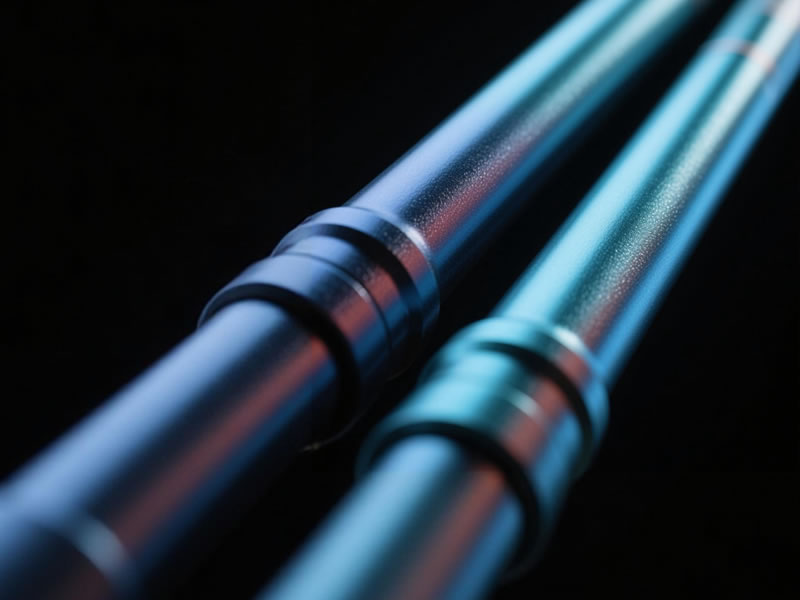
Recommended trekking pole purchase link: https://s.click.aliexpress.com/e/_c4M7OWaN
The Vulnerability of Bare Aluminum
While aluminum doesn't rust in the same way as iron (forming flaky red oxide), it does corrode. When exposed to moisture and oxygen, pure aluminum forms a thin, natural oxide layer. This layer offers some protection but is very thin—only a few atoms thick—and can be easily scratched away or broken down by salts and acids, leaving the fresh metal underneath vulnerable to pitting and dull, white oxidation.
The Anodizing Process: Building a Fortified Shield
Anodizing is an electrolytic passivation process that intentionally thickens and strengthens this natural oxide layer. It's not a paint or coating that sits on top; it becomes a part of the metal itself. The process involves several key steps:
- Electrolytic Bath: The cleaned aluminum pole is submerged in a tank of acid solution (commonly sulfuric acid) and acts as the anode (hence "anodizing"). A cathode is also placed in the tank.
- Electrical Current: When a direct electrical current is applied, it triggers a controlled reaction. Oxygen ions from the solution are released and bond with the aluminum atoms at the surface.
- Growth of the Oxide Layer: This reaction grows a thick, uniform, and incredibly hard layer of aluminum oxide from the base metal itself. This layer is porous, creating a microscopic honeycomb structure.
- Sealing: The final, critical step is to seal these pores. The pole is immersed in hot water or a sealing solution, which causes the oxide layer to hydrate and swell shut, creating a smooth, non-porous, and impermeable barrier.
Why This Anodized Layer is So Effective
The resulting anodized surface is the key to superior corrosion resistance for several reasons:
- Integral and Hard: Because the aluminum oxide layer is grown from the base metal, it cannot peel, flake, or chip like paint. It is fully integrated, making damage from scrapes and impacts less likely to compromise the entire protective system.
- Impermeable Barrier: The sealed layer is chemically inert and non-reactive. It acts as a physical barrier, preventing water, salt spray, and other corrosive agents from ever reaching the vulnerable raw aluminum underneath.
- Enhanced Durability: Aluminum oxide is the same material as sapphire, ranking 9 on the Mohs scale of mineral hardness (just below diamond). This makes the pole's surface highly resistant to abrasion from rocks, sand, and trail debris, which helps maintain the integrity of the corrosion-resistant layer over time.
Anodizing vs. Other Finishes
Compared to simple painted or powder-coated poles, anodizing offers a distinct advantage. A scratch on a painted pole exposes the raw metal to the elements, creating a starting point for corrosion to spread underneath the coating. A deep scratch on an anodized pole may reveal aluminum, but the vast majority of the protected surface remains intact, localizing any potential damage.
For the hiker, this translates to peace of mind. Whether you're dealing with sea spray on a coastal hike, salt on winter roads, or the constant humidity of a rainforest, anodized aluminum poles are engineered to withstand the elements. The process ensures that your poles remain not only structurally sound but also looking new for far longer, protecting your investment and ensuring reliable performance on every journey.




