




Custom Painting Walking Poles - Is It Advisable?
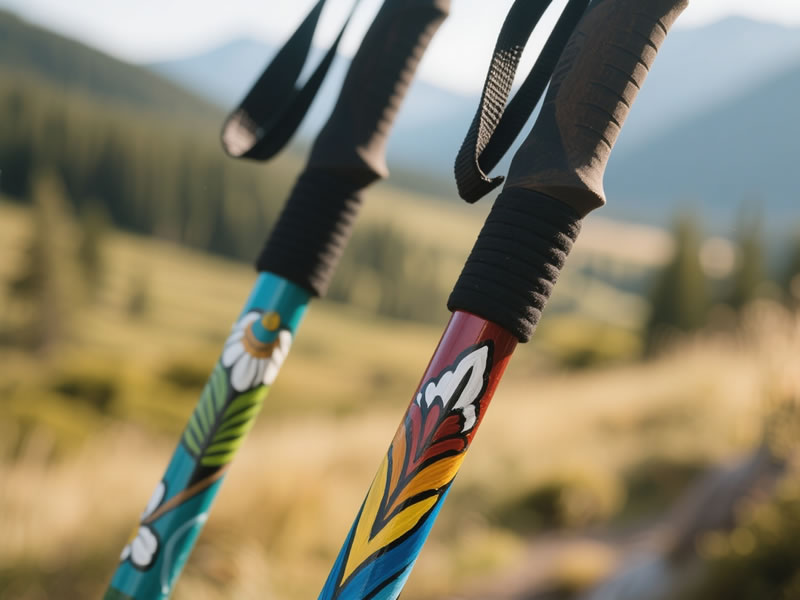
The desire to personalize gear is natural, especially for items like trekking poles that become trusted companions on countless adventures. The idea of custom painting them with unique colors, patterns, or logos can be tempting. However, while visually appealing, the process of painting walking poles is generally not advisable from both a performance and safety perspective. Understanding the risks involved is crucial before modifying a piece of equipment you rely on for stability and safety.
Recommended trekking pole purchase link: https://s.click.aliexpress.com/e/_c4M7OWaN
The Core Problem: Compromising Structural Integrity
The primary concern with painting trekking poles lies in the potential damage to the materials themselves.
- For Carbon Fiber Poles: Carbon fiber's legendary strength-to-weight ratio depends on the precise arrangement of its fibers within a resin matrix. Applying paint, especially spray paint, involves solvents and propellants that can weaken this resin. This can lead to micro-fractures, delamination (the layers separating), and a significant reduction in the pole's overall strength and impact resistance. A painted carbon pole that looks fine on the outside could have a compromised internal structure, creating a catastrophic failure point on the trail.
- For Aluminum Poles: While less vulnerable to chemical degradation than carbon fiber, aluminum poles face a different issue: concealed corrosion. A scratch or chip in the paint can allow moisture to seep underneath and become trapped against the metal. This can lead to localized pitting corrosion that you cannot see, potentially weakening the shaft until it fails under stress.
Functional and Practical Drawbacks
Beyond structural risks, painting introduces several practical problems that degrade the user experience:
- Added Weight and Unbalanced Feel: Paint adds measurable weight, moving your poles away from their engineered lightweight design. An uneven paint application can also throw off the carefully calibrated balance of the pole.
- Interference with Locking Mechanisms: Paint can easily seep into the delicate internal workings of twist locks or external lever locks. This can cause the mechanisms to gum up, freeze, or fail to hold properly, rendering the poles' adjustable length feature useless.
- Poor Durability and Aesthetics: Trail use is rough. Poles are constantly scratched by rocks, scraped against vegetation, and jammed into the ground. A custom paint job will quickly become chipped and scratched, looking far worse than a factory finish designed for abrasion resistance.
- The Safety Hazard of Concealed Damage: This is a critical, often overlooked point. The anodized or raw finish on a pole allows you to visually inspect for stress cracks, deep scratches, or bends. A layer of paint can completely hide these critical warning signs of impending failure, leading to a dangerous situation where a pole breaks unexpectedly.
Superior Alternatives for Personalization
If you're seeking to make your poles unique, several safer and more effective methods exist:
- Vinyl Wraps or Decals: Removable, adhesive vinyl wraps are the best option. They come in countless colors and patterns, are lightweight, and when you're tired of the design or want to sell the poles, they can be peeled off without damaging the underlying finish.
- Colored Athletic Tape: Wrapping the grips or sections of the shaft with colorful hockey tape or athletic wrap provides excellent customization. It adds a comfortable grip, doesn't harm the pole, and can be replaced whenever you want a new look.
- Reflective Tape: This is both a customization and a safety upgrade. Adding reflective tape to your poles enhances your visibility during night hikes or roadside walking.
- Custom Accessories: Swap out standard baskets for colored ones, use brightly colored straps, or add a unique charm to the zipper of your pole's carry case. This allows for personal expression without touching the poles themselves.
Conclusion: Prioritize Performance Over Paint
While the intention behind custom painting is understandable, the risks far outweigh the rewards. A trekking pole is a precision tool, not a canvas. Compromising its structural integrity, functionality, and your ability to inspect it for damage is a gamble not worth taking.
By opting for non-invasive personalization methods like vinyl wraps or colorful tape, you can achieve a unique look while preserving the safety, reliability, and longevity of your essential hiking equipment. Your poles are designed to support you; don't let a coat of paint be the reason they fail.




