




Are There Ultralight Trekking Poles With Camera Mounts?
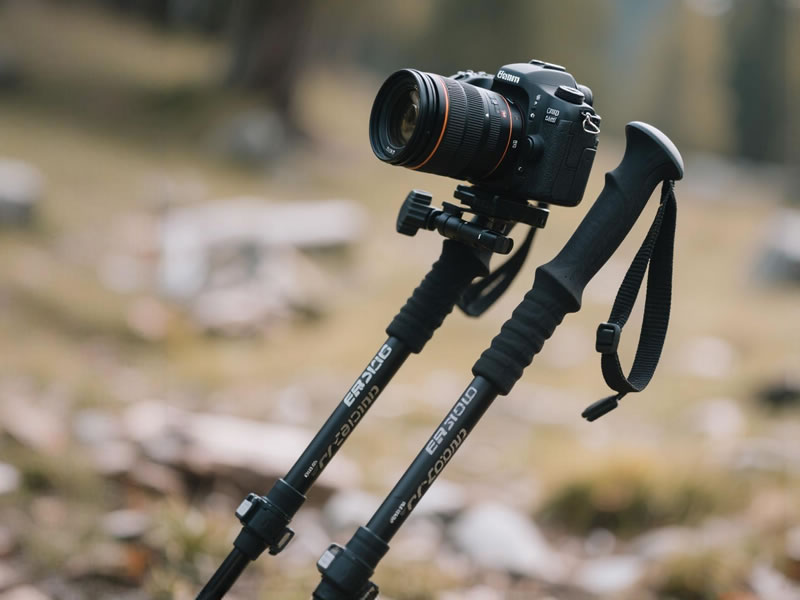
For the photographer who hikes or the hiker who photographs, the challenge is always the same: how to carry sensitive, heavy camera equipment while navigating challenging terrain. The desire to capture stunning landscapes often conflicts with the need to travel light. This leads to an important question: can you find ultralight trekking poles that also function as a stable camera platform? The answer is a resounding yes, and the available solutions range from clever, integrated designs to versatile aftermarket accessories.
Recommended trekking pole purchase link: https://s.click.aliexpress.com/e/_c4M7OWaN
The integration of a camera mount into a trekking pole is a perfect example of multi-use gear, a core tenet of the ultralight philosophy. By combining these two tools, you eliminate the need to carry a separate, often heavy, tripod for many shooting scenarios.
Integrated Solutions: The All-in-One Approach
Several manufacturers have recognized this need and designed poles with photography built-in.
- The Hidden Thread: The most common and elegant solution is a standard 1/4"-20 tripod thread hidden under the removable cap on the top of the grip. Unscrew the cap, and you have a direct mounting point. This is found on select models from brands like Leki and Black Diamond. The pole itself becomes a monopod, offering significantly more stability than handheld shooting, especially with slower shutter speeds or telephoto lenses.
- The Convertible System: Some innovative systems take this a step further. The most notable example is the Peak Design Travel Tripod, which, while not a traditional trekking pole, embodies the convertible spirit. Its legs can be used as trekking poles in a pinch. More directly, systems like the Trailpix tripod use your existing trekking poles as two of the three legs of a full tripod, creating a remarkably stable and ultra-lightweight system.
Aftermarket Accessories: The Flexible Alternative
If your ideal ultralight poles don't have a built-in mount, all is not lost. The aftermarket accessory world provides excellent solutions.
- Pole-Mounted Tripod Heads: Small, lightweight ball heads or flat plates can be permanently or temporarily attached to the pole's grip using strong straps or clamps. This provides a more flexible mounting platform than a fixed thread.
- Universal Clamp Mounts: Products like the Ultrapod or similar lightweight clamps can grip the shaft of the pole, allowing you to mount a camera at various heights and angles.
Key Considerations for the Photographer-Hiker
While this combination is powerful, it comes with important caveats:
- Stability vs. Weight: An ultralight pole used as a monopod is best for stabilization, not for leaving a camera unattended. It dampens vibration and allows for sharper shots than handholding, but it is not as stable as a true tripod, especially in wind. The stability is also dependent on you, the user, becoming the third "leg" of the system by bracing the pole against your body or the ground.
- Weight Capacity: Ultralight poles are not designed to support the massive weight of a professional DSLR with a large telephoto lens. They are ideal for mirrorless cameras, compact cameras, or smartphones. Always check the manufacturer's recommendations for weight limits.
- Compromised Grip Ergonomics: A grip designed to house a thread may be slightly hollowed or shaped differently, which can be a minor ergonomic trade-off for some users.
- The "Third Leg" Advantage: For maximum stability, many photographers use a two-pole system with their camera bag or a dedicated strap to create a "tripod" configuration, though this is more complex to set up.
Conclusion: A Niche, But Perfect, Tool
In conclusion, ultralight trekking poles with camera mounts are not just a gimmick; they are a legitimate and highly effective tool for a specific user. They are the ideal solution for the adventurer who wants to travel fast and light without sacrificing the ability to capture sharp, well-composed images.
For the landscape photographer on a day hike, the wildlife enthusiast needing extra stability for a long lens, or the content creator documenting their journey, these poles solve a real problem. By choosing an integrated model or a reliable aftermarket accessory, you can confidently leave the heavy tripod behind, knowing you have a capable support system already in your hands. This synergy between hiking efficiency and photographic capability truly allows you to have the best of both worlds.




