




Can You Use Regular Trekking Pole Straps on Ultralight Models?
The question of interchangeability between regular trekking pole straps and ultralight models touches upon fundamental design philosophies in hiking equipment. While at first glance straps might appear to be simple, universal components, the reality is that attempting to use standard straps on ultralight poles often creates more problems than it solves. The engineering of ultralight equipment involves a meticulous balance where every component—including straps—is optimized for minimal weight without compromising essential functionality.
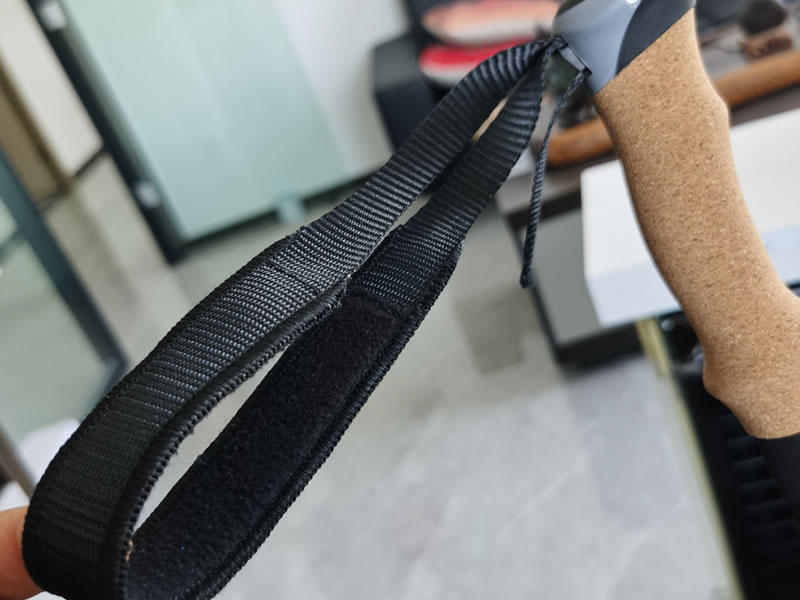
Recommended trekking pole purchase link: https://s.click.aliexpress.com/e/_c4M7OWaN
The primary challenge lies in the fundamental design differences between standard and ultralight trekking poles. Ultralight manufacturers don't simply make smaller versions of existing components; they reimagine each element from the ground up to achieve weight savings while maintaining performance.
The Weight and Balance Equation
Ultralight pole straps typically weigh 15-30 grams each, while standard straps can range from 40-70 grams. This difference might seem negligible until you consider that it represents a 100-200% increase in strap weight alone. More importantly, this added weight sits at the very top of the pole, creating a "swing weight" effect that becomes noticeably tiring over thousands of repetitions. The carefully calibrated balance of ultralight poles can be significantly disrupted by heavier straps, making them feel clumsier and less responsive.
Attachment System Compatibility Issues
Most ultralight poles feature specialized attachment systems that differ from traditional designs:
- Integrated Loops: Many ultralight models use minimalist fabric loops or direct sewing to the pole's collar, eliminating bulky plastic sliders and buckles.
- Smaller Diameter Grips: Ultralight grips often have reduced circumference, meaning standard strap attachments may not fit properly or could rotate uncomfortably.
- Fixed vs. Adjustable Systems: Some ultralight straps are designed as fixed-length systems optimized for a specific hand size and usage style, unlike the fully adjustable conventional straps.
Performance and Safety Considerations
Beyond mere compatibility, there are significant performance implications:
- Ergonomics: Ultralight straps are typically narrower (25-35mm vs 40-50mm for standard straps) and use advanced materials that provide adequate load distribution while saving weight. Standard straps on ultralight poles may create pressure points or fail to distribute weight effectively.
- Moisture Management: Ultralight straps often use advanced meshes and minimal padding to reduce water absorption and drying time. Conventional straps with more padding can become heavy and uncomfortable when wet.
- Durability Concerns: The connection points on ultralight poles aren't engineered to handle the stresses that heavier, stiffer standard straps might impose during aggressive use.
Manufacturer-Specific Solutions
The market offers several approaches to this challenge:
- Proprietary Systems: Brands like Black Diamond with their Distance Z poles or Zpacks with their carbon fiber models use integrated strap systems that can't be replaced with standard straps.
- Minimalist Alternatives: Some ultralight manufacturers offer removable straps or even just finger loops for those who prefer no straps at all.
- Aftermarket Options: Companies like MountainKing and LULU offer ultralight-specific replacement straps designed to be compatible with various ultralight pole models.
Practical Recommendations
If you need to replace straps on your ultralight poles:
- Contact the Manufacturer First: Many companies sell replacement straps specifically designed for their ultralight models.
- Consider Going Strapless: Some ultralight hikers remove straps entirely to save weight, though this requires adjusting your technique.
- Explore Ultralight Aftermarket Options: Several specialty manufacturers produce straps specifically for the ultralight market.
- Avoid DIY Modifications: Attempting to modify standard straps rarely works well and may damage your poles or void warranties.
In conclusion, while it might be physically possible to attach some regular straps to certain ultralight poles, doing so undermines the very principles that make ultralight gear valuable. The weight penalty, balance disruption, and potential compatibility issues make this an inadvisable approach. The sophisticated engineering of ultralight trekking poles extends to every component, including the straps, and maintaining this integrated system ensures you receive the full benefit of your investment in lightweight gear.




