




DIY Ultralight Trekking Pole Tent Setup
The evolution toward ultralight backpacking has revolutionized shelter systems, with trekking pole tents emerging as the gold standard for weight-conscious adventurers. This innovative approach transforms your hiking poles from single-purpose stability aids into critical structural components of your shelter, eliminating redundant weight and maximizing gear efficiency. A properly executed DIY trekking pole tent setup can save between 300-500 grams compared to traditional freestanding tents while offering comparable weather protection and living space.
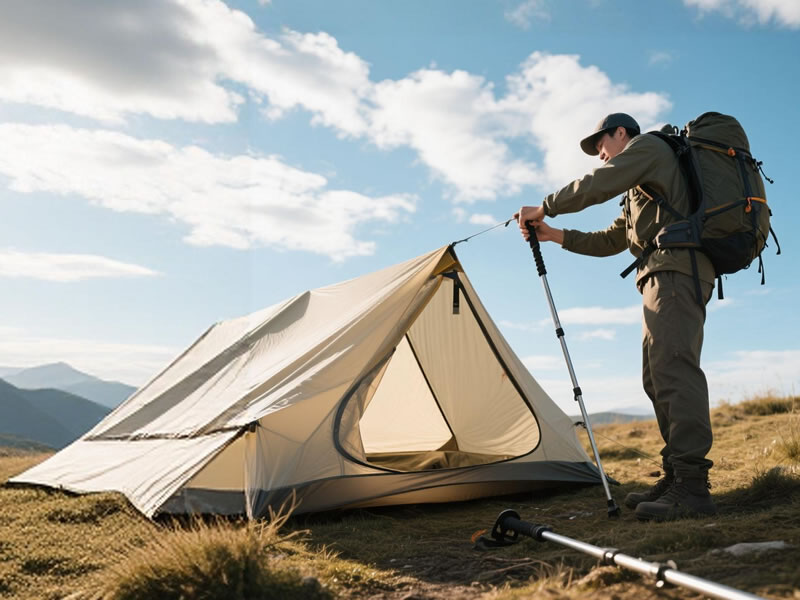
Recommended trekking pole purchase link: https://s.click.aliexpress.com/e/_c4M7OWaN
The fundamental principle behind this system is simple yet brilliant: instead of carrying separate tent poles, you utilize the trekking poles you're already carrying to support your shelter. This synergy represents the core philosophy of ultralight hiking—every piece of gear should serve multiple purposes whenever possible.
Essential Components for Your DIY System
Creating a successful trekking pole tent setup requires careful consideration of each component:
- The Shelter Itself: You have several options here:Ultralight Trekking Pole Tents: Many manufacturers now produce tents specifically designed for this purpose, with reinforced attachment points and optimized geometry. Brands like Zpacks, Tarptent, and Six Moons Designs lead this category.Tarps with Trekking Pole Mods: A simple tarp can be pitched using trekking poles in numerous configurations, from basic A-frames to more complex mid-style setups.MYOG (Make Your Own Gear) Projects: For the truly ambitious, creating a custom shelter from patterns or your own designs offers the ultimate in customization.
- Trekking Pole Requirements: Not all poles work equally well:Adjustable Length: Telescopic poles are ideal as they allow you to fine-tune pitch height for different conditions and terrain.Adequate Height: Ensure your poles extend to the required height for your specific shelter, typically between 115-140cm.Tip Protection: Rubber tip covers or specially designed "paw" attachments prevent sharp carbide tips from damaging shelter floors.
- Additional Hardware:Tensioners: Line locs or micro cordlocks make adjusting guylines quick and secure.Stakes: A combination of stakes (e.g., titanium shepherd hooks for hard ground, MSR Groundhogs for soft soil) provides versatility.Connectors: Some systems benefit from plastic or 3D-printed connectors that interface between the pole tip and shelter.
Setup Techniques and Best Practices
Mastering the pitch is crucial for weather resistance and livability:
- Pole Positioning: Angle your poles slightly outward from the center of the shelter to create greater stability and interior volume.
- Height Adjustment: In fair weather, lower pitches reduce wind profile and save weight on guylines. In storm conditions, higher pitches create better ventilation and snow shedding capability.
- Tension Management: Properly tensioned guylines are essential for structural integrity but avoid over-tightening, which can stress seams and fabric.
- Adaptation to Conditions: Learn to modify your pitch based on weather—lowering the profile in high winds, creating more ventilation in condensation-prone conditions, or adjusting for uneven terrain.
Advanced DIY Modifications
For those looking to further optimize their system:
- Internal vs. External Pole Placement: Each has advantages—external poles shed weather better and create more interior space, while internal pitches are often more stable in high winds.
- Hybrid Setups: Combining one trekking pole with a found stick or natural feature can create unique pitches for specific sites.
- Custom Guyline Systems: Replacing stock guylines with reflective dyneema cord improves visibility and saves weight.
Troubleshooting Common Issues
Even well-planned systems encounter challenges:
- Condensation Management: Adequate ventilation is crucial. Position shelter openings to take advantage of breezes while maintaining weather protection.
- Stability in Wind: Ensure a sufficient number of well-placed guy points and consider adding extra stakes in storm conditions.
- Pole Slippage: On hard surfaces, create small depressions for pole tips or use wider rubber feet for better grip.
The transition to a DIY trekking pole tent setup represents more than just weight savings—it's a shift toward a more intentional, skilled approach to backcountry camping. The knowledge that you can create a secure home in the wilderness using the same tools that support you during the day is profoundly empowering. This system demands greater skill and awareness than simply erecting a freestanding tent, but rewards the user with unparalleled efficiency, adaptability, and connection to the lightweight philosophy. With practice, your trekking poles become not just walking aids, but the foundation of your backcountry shelter, transforming every step toward camp into part of the process of creating your home in the wilderness.




