




Best Grip Material for Lighten Up Trekking Poles: Cork vs. Foam
The connection between a hiker and their trekking poles begins at the grip. It's the point of contact that transmits support, stability, and feedback for miles on end. When selecting Lighten Up trekking poles, one of the most personal and impactful choices you'll make is the grip material. The brand typically offers two excellent options: natural cork and synthetic EVA foam. Both are top-tier choices, but they cater to different preferences and hiking conditions. Understanding their unique properties is key to ensuring your poles feel like a natural extension of your arms.
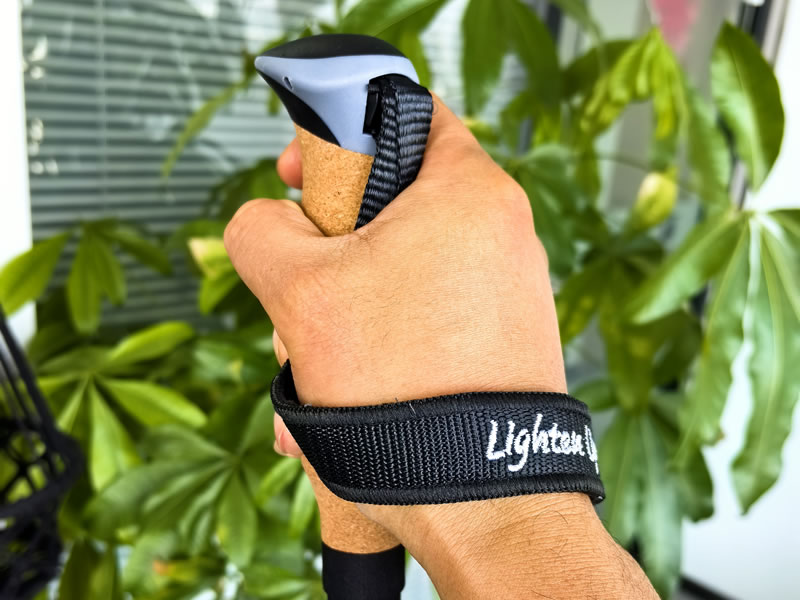
Recommended trekking pole purchase link: https://s.click.aliexpress.com/e/_c4M7OWaN
This isn't a decision of "good versus bad," but rather "right tool for the right job." Let's delve into the characteristics of each material to guide you toward the best grip for your adventures.
Cork Grips: The Molded Classic
Cork is a natural material harvested from the bark of cork oak trees, and it has been a favorite in the hiking world for decades for its exceptional performance characteristics.
Key Advantages of Cork:
- Conformity and Custom Fit: Cork is a semi-porous, pliable material. As you hike, the heat and pressure from your hands cause the cork to gradually mold to your unique grip. Over time, this creates a custom-fit feel that can reduce hot spots and improve overall comfort on long distances.
- Superior Moisture Management: Cork naturally wicks moisture away from your skin. More importantly, it remains grippy and tactile when wet from rain or sweat. Unlike some materials that become slippery, cork provides a secure feel in all weather conditions, which is a significant safety and comfort benefit.
- Vibration Dampening: The natural cellular structure of cork is excellent at absorbing high-frequency vibrations from the trail. This translates to less fatigue and strain in your hands, wrists, and forearms over a long day of hiking on rocky or hard-packed terrain.
- Durability and Sustainability: A high-quality cork grip will last for thousands of miles without significant degradation. Furthermore, cork is a renewable and sustainable resource, as the trees are not cut down during harvest.
Considerations for Cork:
Cork grips can be slightly heavier and more expensive than their foam counterparts. They also require a short "break-in" period to achieve their ideal custom mold.
EVA Foam Grips: The Lightweight Performer
EVA (Ethylene-Vinyl Acetate) foam is a closed-cell synthetic material that has become incredibly popular in the ultralight and fastpacking communities.
Key Advantages of EVA Foam:
- Ultralight and Cushioned: EVA foam is exceptionally lightweight, contributing to Lighten Up's overall goal of reducing pack weight. It also provides a soft, highly cushioned feel from the first use, offering immediate comfort without any break-in period.
- Excellent Moisture Wicking: Like a wetsuit, EVA foam does not absorb water. It effectively wicks sweat and moisture to the surface, where it can evaporate. This makes it an outstanding choice for hikers with very sweaty hands or those who frequent consistently humid and rainy environments, as it won't become waterlogged.
- Consistent Feel: Unlike cork, foam does not mold to your hand. For some hikers, this is an advantage, as the grip feels the same every time you pick it up, regardless of temperature or conditions.
- Cost-Effective: EVA foam is generally less expensive to produce, often making foam-gripped poles a more budget-friendly option.
Considerations for EVA Foam:
The soft nature of foam means it can be more susceptible to abrasion and tearing over time, especially if subjected to rough handling or sharp edges on gear. While it wicks moisture, the "squishy" feel when wet is disliked by some. It also offers less vibration dampening than cork.
Head-to-Head Comparison Table
| Feature | Cork Grips | EVA Foam Grips |
|---|---|---|
| Weight | Slightly Heavier | Lighter |
| Comfort | Molded, custom fit over time | Soft, cushioned from day one |
| Wet Weather Grip | Excellent (remains grippy) | Good (doesn't get slippery) |
| Vibration Dampening | Superior | Good |
| Durability | Long-lasting, molds without wearing | Softer, can tear or compress over time |
| Ideal For | Thru-hiking, varied climates, sweaty hands | Ultralight hiking, fastpacking, humid climates |
Making the Final Choice: Which Grip is Right for You?
Your ideal grip material depends entirely on your personal physiology and hiking style.
You Should Choose Cork Grips If:
- You are a long-distance or thru-hiker who values long-term comfort and vibration reduction.
- You hike in variable weather and need a grip that performs consistently when wet or dry.
- You appreciate a product that naturally adapts to you over time.
- Sustainability and natural materials are important to you.
You Should Choose EVA Foam Grips If:
- Minimizing weight is your absolute top priority.
- You are a fastpacker or trail runner who needs lightweight, immediate comfort.
- You have exceptionally sweaty hands or primarily hike in humid climates.
- You prefer a softer, more cushioned feel right out of the box.
In conclusion, both cork and EVA foam are outstanding grip materials that reflect Lighten Up's commitment to quality. There is no wrong choice, only a best fit. By aligning the inherent properties of each material with your personal needs on the trail, you can ensure that your Lighten Up poles will feel comfortable and secure in your hands, mile after memorable mile.




