




Maintenance Tips for Lighten Up Trekking Poles: Ensuring Longevity and Reliability
Your Lighten Up trekking poles are engineered to withstand thousands of miles of rugged trail use, but like any precision tool, they require proper care to maintain optimal performance. Regular maintenance not only extends your poles' lifespan but also ensures they're ready to provide reliable support when you need it most. This comprehensive guide covers everything from basic cleaning to advanced troubleshooting, helping you protect your investment and hike with confidence.
Recommended trekking pole purchase link: https://s.click.aliexpress.com/e/_c4M7OWaN
Routine Cleaning and Care
After Every Hike:
Begin with a simple post-hike routine. Wipe down the entire pole with a damp cloth to remove dirt, mud, and debris. Pay special attention to the locking mechanisms - dirt trapped in flick-locks can compromise their holding power. For stubborn grime, use a soft-bristled brush (an old toothbrush works perfectly) to gently clean the locks and connection points. Always allow poles to air dry completely before storage, as moisture can lead to corrosion in aluminum models or damage to internal components in foldable poles.
Deep Cleaning (Monthly or as Needed):
For a thorough cleaning, disassemble your poles according to the manufacturer's guidelines. Clean each section individually, checking for interior dirt accumulation. Use a mild soap solution for tougher stains, but avoid harsh chemicals that could damage finishes or composite materials.
Locking Mechanism Maintenance
Flick-Lock Care:
Lighten Up's flick-lock mechanisms are renowned for reliability, but they require occasional attention. If locks begin to feel loose:
- Locate the adjustment bolt on the locking mechanism
- Using the appropriate hex key (usually included with your poles), turn clockwise in small increments
- Test the tightness after each adjustment until secureIf locks become stiff or difficult to operate, clean thoroughly and apply a small amount of silicone-based lubricant to moving parts. Avoid petroleum-based products that can attract dirt.
Twist-Lock Maintenance:
For the less common twist-lock models, extend the poles fully and clean the internal components with compressed air. If slippage occurs, internal components may need replacement - consult Lighten Up's customer service for guidance.
Component-Specific Care
Shaft Inspection:
Regularly inspect your poles' shafts for damage. For aluminum models, look for bends, dents, or significant scratching. Carbon fiber poles require careful examination for cracks, splinters, or unusual flex patterns. Run a cotton ball along the shaft - snags may indicate micro-fractures in carbon models.
Grip and Strap Maintenance:
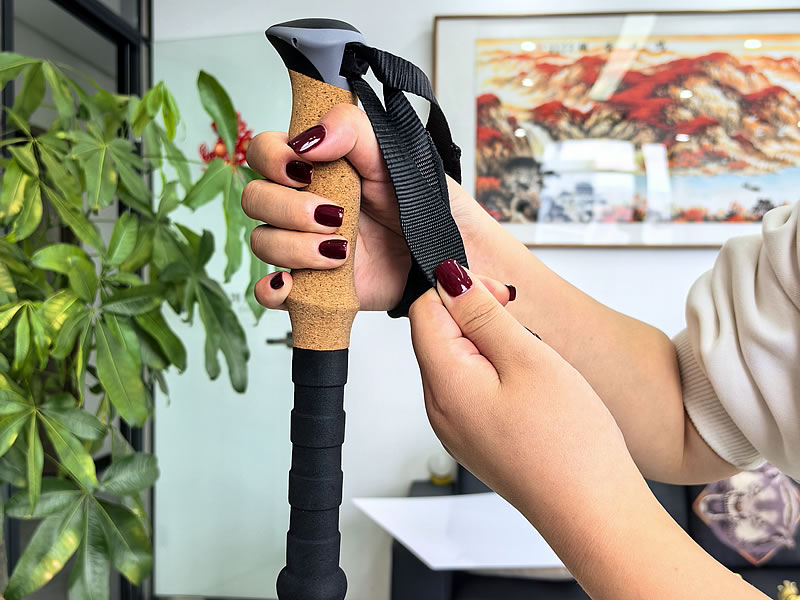
Clean foam grips with mild soap and water, avoiding harsh scrubbing that can damage the material. Cork grips benefit from occasional gentle sanding to maintain texture. For straps, hand wash with mild detergent and air dry. Check stitching regularly for wear and replace if fraying occurs.
Tip and Basket Care:
Tungsten carbide tips will eventually wear down. Replace them when the carbide center becomes flush with the surrounding metal. Baskets should be checked for cracks and replaced if damaged. Keep tip protectors on when poles aren't in use to prevent accidental damage.
Seasonal Maintenance Schedule
Spring Preparation:
- Complete inspection of all components
- Test locking mechanisms
- Replace worn parts before peak hiking season
- Check and update your repair kit
Post-Season Winterization:
- Thorough cleaning and lubrication
- Loosen all locking mechanisms for storage
- Store in a cool, dry place away from direct sunlight
- Conduct any necessary repairs during the off-season
Troubleshooting Common Issues
Pole Slippage:
If poles gradually collapse under weight:
- Tighten locking mechanisms
- Check for worn lock liners
- Inspect for dirt or debris in the locks
- Ensure you're not exceeding weight recommendations
Unusual Noises:
Clicking or creaking sounds often indicate:
- Loose locking mechanisms
- Grit in the joints
- Worn internal componentsIdentify the source before attempting repairs
Reduced Shock Absorption:
While Lighten Up poles aren't shock-absorbing models, unusual vibration or flex could indicate:
- Carbon fiber delamination
- Aluminum fatigue
- Loose connections between sections
Storage Solutions
Proper Storage Technique:
Store poles fully extended with locks loosened in a temperature-controlled environment. Avoid:
- Damp or humid areas that promote corrosion
- Direct sunlight that can degrade materials
- Pressure points that could cause bending
Travel Considerations:
When traveling, use protective pole cases or simple PVC pipe containers. For airline travel, consider foldable Z-pole models or ensure telescopic poles are properly secured.
Repair Kits and Spare Parts
Every Lighten Up owner should maintain a basic repair kit including:
- Replacement tips and baskets
- Extra lock nuts and bolts
- Duct tape or pole repair tape
- Multi-tool with appropriate hex keys
- Spare strap (if frequently used)
When to Seek Professional Service
While many maintenance tasks are DIY-friendly, seek professional assistance for:
- Carbon fiber splintering or cracking
- Bent aluminum sections
- Persistent lock failures despite adjustment
- Any damage that compromises structural integrity
Conclusion: The Investment of Care
Regular maintenance of your Lighten Up trekking poles is a small investment that pays substantial dividends in safety, performance, and longevity. By incorporating these simple practices into your hiking routine, you ensure your poles remain reliable partners for countless adventures. Remember that proper care not only preserves your equipment but also enhances your connection to it - a well-maintained pole becomes an extension of yourself, responding intuitively to every step and terrain challenge. Your Lighten Up poles were built to perform; with consistent care, they'll continue to lighten your load for years and thousands of trail miles to come.




