




Repairing Bent Lighten Up Trekking Poles: A Comprehensive Guide
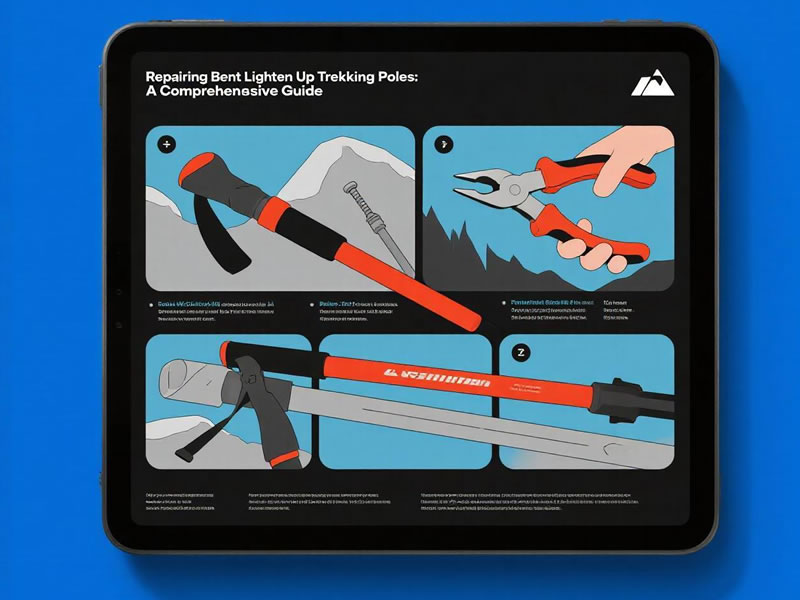
A bent trekking pole can feel like a devastating discovery, especially when it happens to your trusted Lighten Up poles. However, not all bends mean the end of your pole's useful life. Understanding the proper approach to assessing and potentially repairing bent poles is crucial for every hiker's maintenance knowledge. This comprehensive guide will help you determine when a repair is feasible and how to approach it safely, while also knowing when replacement is the wiser choice.
Recommended trekking pole purchase link: https://s.click.aliexpress.com/e/_c4M7OWaN
Understanding Pole Materials and Their Limitations
Aluminum Poles (7075 Alloy):
Lighten Up's aluminum poles are known for their durability, but they can bend under extreme pressure. The good news is that aluminum's ductile nature often allows for careful straightening. However, it's crucial to understand that any bending and subsequent straightening weakens the metal's structural integrity to some degree.
Carbon Fiber Poles:
Carbon fiber behaves completely differently. Instead of bending gradually, it's designed to flex and then fail catastrophically by cracking or splintering. Never attempt to straighten a bent carbon fiber pole. The internal structure is likely compromised, and the pole could fail suddenly during use, potentially causing injury.
Assessment: When Repair Might Be Possible
Before attempting any repair, conduct a thorough assessment:
- Locate the Bend: Identify the exact location and degree of bending
- Check for Cracks: Inspect carefully for any hairline cracks or creases
- Test Locking Mechanisms: Ensure the bend hasn't affected the pole's ability to lock securely
- Evaluate Bend Severity: Minor bends (less than 15 degrees) are better candidates for repair
Signs That Require Immediate Replacement:
- Visible cracking or splintering
- Bends near locking mechanisms
- Severe bends (more than 30 degrees)
- Any deformity in carbon fiber poles
- Difficulty extending or retracting sections
Step-by-Step Repair Process for Aluminum Poles
For Minor Bends Only:
Tools Needed:
- Soft-jaw vise or padded surface
- Rubber mallet
- Straight edge or ruler
- Safety glasses
Procedure:
- Secure the Pole: Place the bent section in a soft-jaw vise or against a padded surface, ensuring the bend is accessible
- Apply Gradual Pressure: Using a rubber mallet, apply gentle, consistent pressure to the apex of the bend
- Check Progress Frequently: Remove the pole regularly to check straightness and avoid over-correction
- Use a Straight Edge: Verify alignment using a straight edge or by rolling the pole on a flat surface
- Test Thoroughly: After straightening, test the pole's strength and locking mechanism carefully
Important Safety Notes:
- Work slowly and patiently - rushing can worsen the damage
- Never use excessive force
- Wear safety glasses to protect from metal fragments
- If the bend doesn't improve with gentle pressure, stop immediately
When to Seek Professional Repair
Consider professional assistance in these situations:
- Bends occurring at welded joints or near locking mechanisms
- Multiple bends in the same section
- Poles that have been previously straightened
- Uncertainty about the pole's condition after straightening
- High-stress applications like mountaineering or heavy backpacking
Alternative Solutions for Damaged Poles
Partial Replacement:
Many Lighten Up models allow you to replace individual sections rather than the entire pole. Contact their customer service to inquire about replacement parts.
Creative Repurposing:
A slightly bent pole might still serve as:
- A spare for emergency situations
- A dedicated tent pole for your shelter
- A practice pole for learning repair techniques
Prevention: Avoiding Future Damage
- Proper Usage: Avoid using poles for leverage in rock crevices or as digging tools
- Regular Inspection: Check for early signs of stress during cleaning
- Correct Storage: Store poles properly to prevent accidental damage
- Weight Awareness: Stay within the manufacturer's recommended weight limits
Safety Considerations Post-Repair
Any repaired pole requires special attention:
- Mark the repaired section with tape for easy identification
- Test the pole gradually, starting with light use
- Inspect before every hike for signs of weakness
- Consider the repaired pole as a backup rather than primary equipment
- Never use repaired poles for critical applications like technical mountaineering
Knowing When to Retire Your Poles
Sometimes, the safest option is replacement. Retire your poles when:
- There are multiple bends in one section
- The pole develops a "memory" where it easily rebends
- You notice any cracking or metal fatigue
- Locking mechanisms no longer function securely
- You have any doubts about the pole's reliability
Conclusion: Safety First
While some minor bends in Lighten Up aluminum poles can be carefully addressed, it's crucial to prioritize safety over sentimentality. The structural integrity of your trekking poles is what stands between you and potential injury on the trail. When in doubt, err on the side of caution. Remember that Lighten Up's customer service team can provide specific guidance for your situation and may offer replacement options that ensure you can continue hiking with confidence. Your safety is worth far more than any piece of equipment, no matter how trusted or beloved it may be.




