




What Material Are Lighten Up Hammocks Made From? A Deep Dive into Advanced Fabric Technology
When evaluating any high-performance outdoor gear, the materials used in its construction tell the story of its intended use, durability, and overall value proposition. Lighten Up Hammocks have built their reputation on a foundation of sophisticated textile engineering that balances the competing demands of ultralight weight, exceptional strength, and long-term durability. The question "What material are Lighten Up Hammocks made from?" reveals a commitment to advanced fabric technology that sets these hammocks apart in a crowded marketplace.
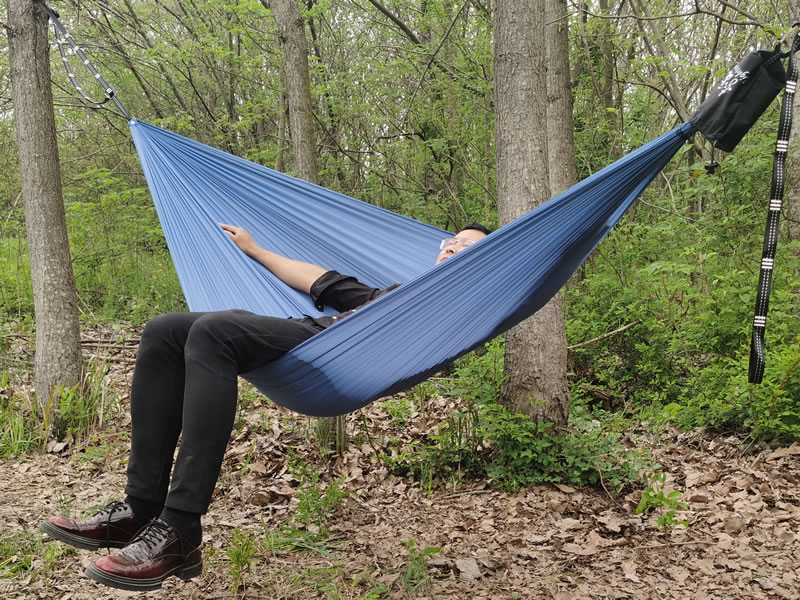
The Primary Material: High-Tenacity Ripstop Nylon
At the core of every Lighten Up Hammock is a specialized form of ripstop nylon, typically in the 20-denier (20D) to 30-denier (30D) range. Understanding what this means requires breaking down the terminology:
- Denier (D): This measurement refers to the thickness and density of the individual threads used in the fabric. A lower denier number indicates finer, lighter threads. 20D fabric is exceptionally light and packable, while 30D offers a slight increase in weight for enhanced durability and tear resistance. Lighten Up strategically uses different deniers in various parts of their hammocks—lighter fabric in the main body where weight savings matter most, and slightly heavier fabric at stress points.
- High-Tenacity: This isn't standard nylon. High-tenacity nylon undergoes a specialized manufacturing process that aligns the polymer chains to create fibers with significantly greater tensile strength than conventional nylon of the same weight. This means the fabric can withstand much greater stress before tearing, crucial for a product that must safely support dynamic loads.
- Ripstop Weave: The signature grid pattern visible on the fabric isn't merely aesthetic. This weaving technique interlaces thicker reinforcement threads at regular intervals, creating a network of small squares. If a tear begins, it's contained within a single square, preventing a catastrophic failure that could spread across the entire hammock. This is an essential safety feature for backcountry use where sharp branches or gear might contact the hammock.
Silicone-Impregnation: Beyond Basic Water Resistance
Many outdoor fabrics receive a polyurethane (PU) coating to achieve water resistance. Lighten Up employs a more advanced and durable treatment: silicone-impregnation. In this process, silicone is integrated throughout the fabric, not just applied as a surface coating. This method offers several advantages:
- Superior Water Resistance: It creates an extremely water-repellent surface, causing moisture to bead up and roll off rather than soaking through.
- Enhanced Durability: Unlike PU coatings that can degrade, peel, or become sticky over time, silicone treatment remains stable and effective through years of use and exposure to UV radiation.
- Weight Savings: Silicone-impregnation adds less weight to the final product compared to equivalent PU coatings, aligning perfectly with the brand's ultralight philosophy.
- Maintained Breathability: The treatment does not completely seal the fabric's pores, allowing for some air transmission, which reduces condensation buildup.
The Strategic Benefits of This Material Choice
The combination of high-tenacity ripstop nylon with silicone-impregnation creates a material profile with distinct advantages for the end user:
- Unmatched Strength-to-Weight Ratio: This is the holy grail for backpacking gear. Users benefit from a hammock that can reliably support 400+ pounds while weighing only 16-22 ounces for the complete system.
- Minimal Pack Size: The thin, compressible fabric allows the entire hammock to pack down to the size of a grapefruit or smaller, freeing up crucial space in a backpack.
- Quick Drying: If the hammock does get wet from rain or morning dew, the synthetic nylon and silicone treatment cause it to dry remarkably quickly when exposed to air and sunlight.
- Long-Term Reliability: The resistance to UV degradation, moisture, and abrasion means the hammock maintains its integrity and appearance through years of regular use.
Construction Techniques That Complement the Material
The premium fabric would underperform if not paired with equally sophisticated construction:
- Triple-Stitched Seams: The seams are reinforced with three parallel rows of stitching, distributing stress over a wider area and preventing the ultra-strong fabric from tearing at its sewn joints.
- Reinforced End Channels: The areas where the suspension system connects to the hammock feature doubled or tripled layers of fabric and bar-tacking (a dense zigzag stitch pattern) to handle concentrated loads.
Conclusion: More Than Just Fabric
The materials used in Lighten Up Hammocks represent a carefully considered system rather than a single component choice. The specific type of nylon, its denier weight, the ripstop pattern, and the silicone treatment all work in concert to deliver a user experience characterized by confidence, comfort, and convenience. For the serious backpacker, thru-hiker, or minimalist traveler, this material selection translates directly to practical benefits on the trail: less weight to carry, less space consumed, and the assurance of a reliable shelter after a long day of hiking. When you invest in a Lighten Up Hammock, you're not just buying nylon—you're investing in a sophisticated material technology designed to enhance your connection to the outdoors by removing barriers and simplifying your load.




