




How to Use Lighten Up Hammock Straps Correctly: The Complete Guide to Safe and Comfortable Hanging
Mastering the proper use of your Lighten Up hammock straps is essential for safety, comfort, and minimizing environmental impact. These aren't just simple pieces of webbing—they're precision-engineered components of an integrated suspension system designed for maximum efficiency and minimum ecological footprint. This comprehensive guide will walk you through every aspect of correct strap usage, from basic setup to advanced techniques.
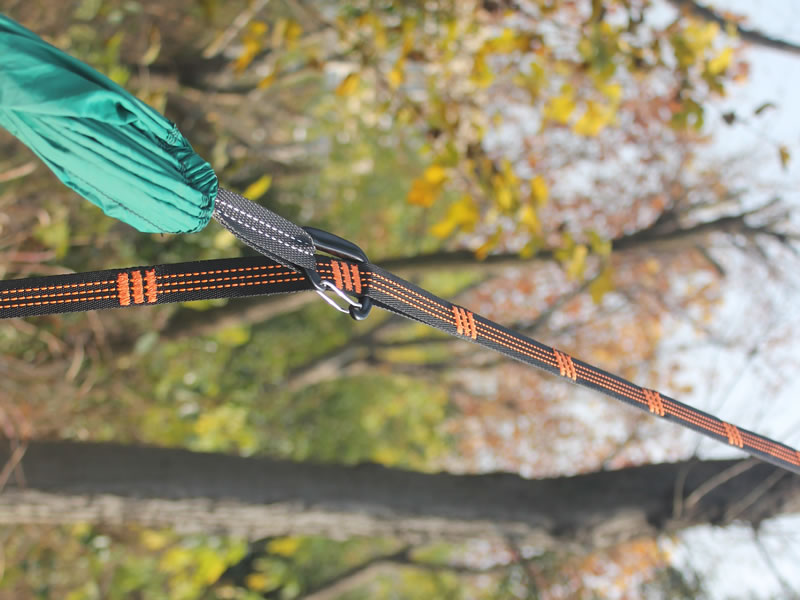
Understanding Your Lighten Up Suspension System
Before you head into the backcountry, familiarize yourself with the components:
- Daisy-Chain Webbing Straps: These feature multiple sewn loops at regular intervals, eliminating the need for knots and enabling precise adjustments
- Climbing-Rated Carabiners: Lightweight aluminum carabiners connect the hammock to the straps
- Tree-Friendly Design: The wide, flat webbing distributes pressure to protect bark
Step-by-Step Setup Process
Follow this methodical approach for a perfect hang every time:
- Tree Selection and Inspection:Choose healthy, living trees at least 6-8 inches in diameterAvoid dead trees or those with loose bark that might indicate instabilityEnsure trees are approximately 12-15 feet apart
- Strap Placement:Wrap one strap around the first tree at approximately eye-level (5-6 feet high)Thread the strap end with the carabiner through the sewn loopPull tight to secure, ensuring the strap lies flat against the bark without twistingRepeat with the second strap on the opposite tree
- Hammock Attachment:Attach one hammock carabiner to any loop on the first strapMove to the opposite tree and attach the second carabinerInitially choose loops that position the hammock with slight tension
- The Critical 30-Degree Angle Adjustment:This is the most important step for comfort and safetyAdjust the carabiner position on the daisy-chain loops until the straps form approximately a 30-degree angle with the treeWhen properly adjusted, your empty hammock should sag in a deep U-shape
- Final Safety Check:Verify all carabiner gates are fully closed and lockedEnsure straps are secure and not slipping down the treesApply gradual weight to test the system before full use
The Science Behind Proper Hanging
Understanding why these techniques matter will make you a better hammocker:
- Force Distribution: The 30-degree angle creates optimal force vectors, putting approximately 75% of the load on the horizontal axis and 25% on the vertical
- Comfort Physics: Proper sag allows the hammock to cradle your body comfortably, while an overly tight hang creates shoulder squeeze and back discomfort
- Safety Margins: The daisy-chain loops and carabiners are rated well beyond the hammock's 400-pound capacity, but proper setup ensures these safety margins remain effective
Advanced Techniques for Special Situations
Sometimes standard setup needs adjustment:
- Wide-Spaced Trees (15+ feet apart): Attach straps higher on the trees to create more effective length
- Close Trees (under 10 feet): Use lower attachment points and select loops closer to the tree
- Sloping Ground: Adjust strap heights to ensure the hammock hangs level
- Multiple Hammocks: When hanging multiple hammocks on the same trees, space straps vertically rather than horizontally to distribute stress
Common Mistakes and How to Avoid Them
Even experienced users make these errors:
- The Death Angle: Straps forming less than 20 degrees put dangerous stress on the entire system
- Carabiner Misuse: Never screw the carabiner gates open—they should rotate freely
- Over-Tightening: A banjo-tight hammock is uncomfortable and stresses the suspension
- Wrong Loop Selection: Choosing loops that create uneven tension between sides
Tree Protection and Leave No Trace Principles
Your Lighten Up straps are designed with environmental responsibility:
- Bark Preservation: The wide, flat webbing distributes pressure without cutting into trees
- Proper Removal: When taking down your hammock, inspect the bark for any damage and brush away any debris
- Site Selection: Avoid trees with visible wildlife nests or rare vegetation
Troubleshooting Common Issues
- Slipping Straps: Ensure you're using healthy trees with rough bark and that straps are pulled tightly through the loops
- Difficulty Achieving 30-Degree Angle: Try different loop combinations or adjust tree selection
- Hammock Hangs Unevenly: Measure strap heights with your arm span rather than guessing
Maintenance and Longevity
Proper care extends your strap's lifespan:
- Cleaning: Rinse straps with fresh water after beach or muddy use
- Drying: Always store completely dry to prevent mildew
- Inspection: Regularly check for fraying, UV damage, or compromised stitching
- Storage: Loosely coil rather than tightly roll to prevent permanent creases
Beyond the Basics: Pro Tips
- Consistent Setup: Use the same loop count on each side for balanced tension
- Quick Adjustment: For fine-tuning comfort, move the carabiner just one or two loops rather than making large changes
- Weather Considerations: In rain, hang straps with a slight downward angle away from the tree to discourage water running down the straps into your hammock
Conclusion: Mastering the Art of the Hang
Properly using your Lighten Up hammock straps transforms your outdoor experience from adequate to exceptional. The few extra minutes spent perfecting your setup pay dividends through nights of superior comfort and the confidence that comes from knowing your shelter is both secure and environmentally responsible.
Remember that practice develops intuition—your first setup might feel technical, but with experience, you'll achieve a perfect hang intuitively. The Lighten Up suspension system's thoughtful design removes the guesswork from hammocking, letting you focus on what truly matters: enjoying your time in nature with the assurance that your shelter is properly configured for maximum safety and comfort.




