




Lighten Up Hammock vs ENO DoubleNest: An In-Depth Comparison
When choosing between two of the most popular hammocks on the market, outdoor enthusiasts often find themselves weighing the merits of the specialized Lighten Up Hammock against the ubiquitous ENO DoubleNest. Both represent different philosophies in hammock design, targeting somewhat different users despite both serving the essential function of providing comfortable outdoor suspension. This comprehensive comparison examines these products across multiple dimensions to help you determine which best aligns with your specific needs.
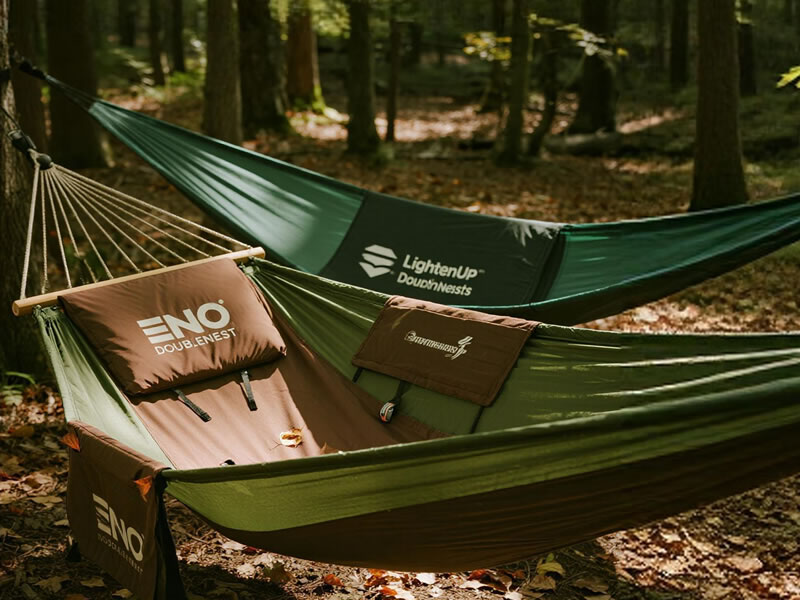
Design Philosophy and Target User
The fundamental difference begins with each brand's approach to hammock design:
- Lighten Up: Embraces an ultralight, performance-oriented philosophy. Every design decision prioritizes weight savings and packability without sacrificing strength. This approach targets serious backpackers, thru-hikers, and weight-conscious campers who count every ounce and value efficiency on the trail.
- ENO DoubleNest: Focuses on recreational comfort and accessibility. With its brightly colored options and emphasis on spacious lounging, ENO targets casual users, festival-goers, car campers, and those new to hammocking who prioritize comfort and ease of use over minimal weight.
Materials and Construction Quality
The choice of materials reveals each company's priorities:
- Lighten Up: Utilizes high-tenacity 20D or 30D ripstop nylon with silicone impregnation for water resistance. The fabric feels technical and lightweight while maintaining a 400-pound weight capacity. Construction features triple-stitched seams, reinforced stress points, and bar-tacked critical areas for maximum durability relative to weight.
- ENO DoubleNest: Employs 70D nylon taffeta, a substantially heavier and more durable fabric suited for recreational use. The material feels softer and more cloth-like but lacks the technical treatment of the Lighten Up fabric. Stitching is generally reliable though less reinforced than its ultralight counterpart.
Weight and Packed Size: The Critical Divide
This is where the two hammocks diverge most dramatically:
- Lighten Up: Weighs a remarkably light 12-18 ounces (depending on model) including its integrated suspension system. Packs down to approximately 4x6 inches—smaller than a standard grapefruit.
- ENO DoubleNest: Tips the scales at approximately 1 pound 4 ounces (20 ounces) for the hammock only. With separate suspension purchase (typically adding 10-12 ounces), the total system weight approaches 2 pounds. Packed size is roughly 5x7 inches with the hammock alone.
The weight difference becomes critically important for long-distance hiking where every ounce matters, but less relevant for car camping or backyard use.
Suspension Systems: Out-of-the-Box Readiness
- Lighten Up: Includes a complete, integrated "Swift-Sling" suspension system with daisy-chain webbing straps and lightweight aluminum carabiners. The system is designed specifically for the hammock's weight capacity and requires no additional purchases or decisions.
- ENO DoubleNest: Sold as hammock-only in most cases, requiring separate purchase of suspension system (typically an additional $30-$50). While this allows customization, it adds complexity and hidden cost for beginners.
Comfort and Dimensions
Both hammocks provide comfortable experiences but through different approaches:
- Lighten Up: Offers models ranging from 9-11 feet in length. The focus is on proper ergonomic positioning for sleeping, with dimensions calculated to facilitate the diagonal lay essential for flat back sleeping.
- ENO DoubleNest: Measures approximately 9 feet 4 inches long and 6 feet 4 inches wide. The exceptional width provides generous space for lounging and casual use but can create excess fabric that interferes with optimal sleeping positioning for single users.
Durability and Long-Term Performance
- Lighten Up: The technical fabrics and reinforced construction provide exceptional strength-to-weight ratio. The 400-pound capacity is conservative, with substantial safety margins. The materials resist UV degradation and moisture absorption.
- ENO DoubleNest: The heavier 70D fabric offers excellent abrasion resistance and general durability suited for high-frequency recreational use. However, the lack of advanced coatings makes it more susceptible to water absorption and slower drying.
Price and Value Proposition
- Lighten Up: Commands a premium price ($160-$220 depending on model and configuration) justified by advanced materials, complete suspension system, and weight-focused engineering.
- ENO DoubleNest: Priced accessibly ($60-$80 for hammock only) with frequent sales making it even more budget-friendly. However, the additional required suspension purchase narrows the price gap significantly.
Accessory Ecosystem
- Lighten Up: Offers precisely engineered accessories (bug nets, rain flies, underquilts) designed to work seamlessly with their hammocks while maintaining weight efficiency.
- ENO DoubleNest: Benefits from an extensive aftermarket ecosystem with numerous third-party accessories available, plus ENO's own product line that includes everything from rain tarps to decorative lights.
The Verdict: Which Should You Choose?
Choose the Lighten Up Hammock if:
- You're a backpacker, thru-hiker, or bikepacker where weight and packed size are critical factors
- You plan to use your hammock primarily for overnight camping rather than casual lounging
- You value out-of-the-box completeness with integrated suspension
- Your budget allows for investment in premium, technical materials
Choose the ENO DoubleNest if:
- Your primary use is casual lounging, car camping, or backyard relaxation
- Budget is a primary concern and you don't mind purchasing suspension separately
- You prefer a wider, more fabric-rich feel to your hammock
- You want access to a vast ecosystem of accessories and color options
Both hammocks excel within their intended domains. The Lighten Up represents the evolution of hammocks as serious outdoor gear, while the ENO DoubleNest remains the comfortable, accessible option that helped popularize modern hammocking. Your specific needs, rather than abstract quality comparisons, should guide your decision between these two worthy contenders.




