




How Does the Fabric Choice Affect the Packability of a Lighten Up Hammock?
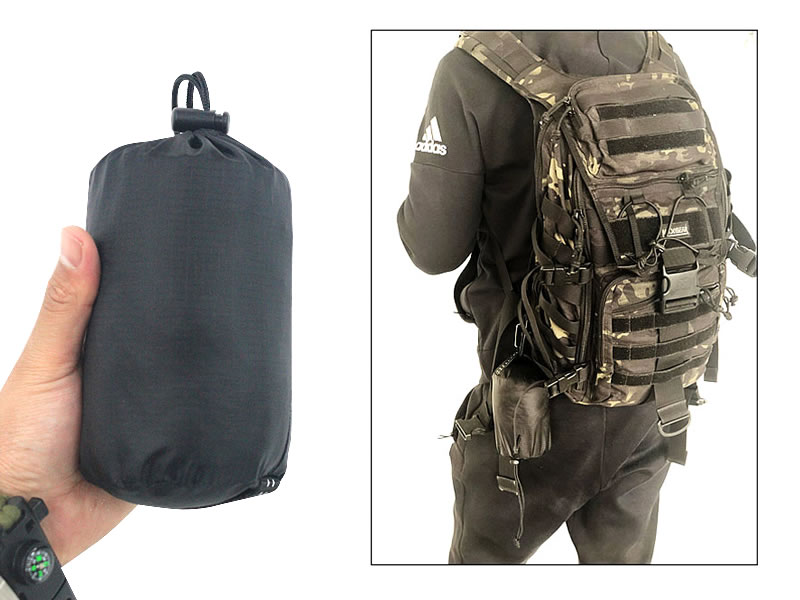
For backpackers, bikepackers, and global travelers, packability—how small an item compresses—is as critical as its weight. The remarkable packability of Lighten Up Hammocks, often fitting into a stuff sack the size of a large grapefruit, is a direct result of deliberate and advanced fabric engineering. The choice of material influences every stage of compression, from how it folds to the final volume it occupies in your pack.
The Science of Compression: Key Fabric Properties
A fabric's packability is governed by four main properties: thickness (denier), weave structure, coating, and hand feel (drape and stiffness). Lighten Up's use of premium, low-denier ripstop nylon optimizes all four.
- Denier: The Foundation of ThinnessDenier (D) measures the thickness of the individual threads. Lighten Up fabrics, often in the 20D to 40D range, use exceptionally fine yarns. A lower denier means a physically thinner fabric. This is the most fundamental factor: a thinner sheet of material will always compress to a smaller volume than a thicker one of the same area, all else being equal. Compared to a standard 70D or 210D hammock, the difference in starting thickness is significant.
- Weave Structure: Ripstop for Orderly FoldingThe ripstop weave is pivotal. This grid pattern not only stops tears but also creates a uniform, stable fabric structure. This stability prevents the nylon from bunching or folding unpredictably. It tends to fold and roll neatly along the grid lines, resulting in a tighter, more compact, and uniform package. A plain weave fabric without this grid can be more prone to awkward, bulky folds that resist efficient compression.
- Coatings and Treatments: The Slippery FactorHigh-performance nylons are often treated with silicone or polyurethane coatings for water resistance and durability. These treatments can slightly alter the fabric's "hand," often making it feel slightly slicker. This reduced surface friction allows the fabric layers to slide against each other more easily during compression, enabling a tighter pack. A fabric with a sticky or grippy feel would resist being compressed as densely.
The Packability Chain Reaction
The benefits of the fabric choice create a compounding effect:
- Less Bulk to Start: The low-denier fabric has minimal inherent bulk.
- Neater Folding: The ripstop weave allows for a tight, organized roll or fold.
- Efficient Compression: The treated fabric slides into itself within the stuff sack.
- Minimal "Spring Back": High-quality nylon has limited elastic memory, so it stays compressed in the sack instead of forcefully expanding, which would waste pack space.
This superior packability transforms the hammock from a bulky luxury into a versatile, always-packable essential. It becomes feasible for fast-and-light alpine missions, long-distance thru-hikes where space is precious, or as a spare shelter in a kayak hatch.
Conclusion: Engineered for the Confines of a Pack
In summary, the packability of a Lighten Up Hammock is not an accident; it is a direct output of its fabric technology. The combination of low-denier threads, a stabilizing ripstop grid, and functional coatings works in concert to minimize packed volume. This design philosophy recognizes that for the modern adventurer, the space inside a backpack is a valuable and limited resource. By choosing a fabric that excels in compression, Lighten Up ensures that the comfort of a hammock is never a logistical burden, but a compact and accessible escape, ready to deploy wherever the trail leads.




