




How to Patch a Small Hole or Burn Mark on a Lighten Up Hammock
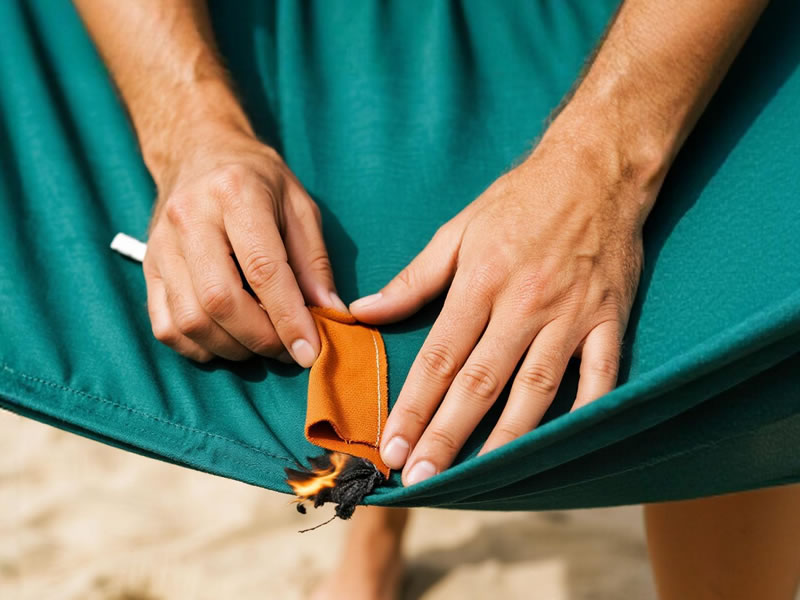
Discovering a small hole, tear, or burn mark in your Lighten Up Hammock can be disheartening, but don't despair—it's often a repairable issue. Prompt and proper repair is crucial not only for the hammock's longevity but also for your safety. An untreated flaw can quickly turn into a catastrophic rip under load. This guide will walk you through a reliable, field-tested process to restore the integrity and safety of your hammock using common repair kits.
Buy Link: https://www.aliexpress.com/item/1005009231147005.html
Step 1: Assess the Damage
First, determine if the damage is within your repair scope.
- Repairable Damage: Small holes (under 1 inch), minor fabric tears, pinpricks, and small burn marks where the surrounding fabric is still flexible.
- Critical Damage: Large rips (several inches), damage directly on a seam or the gathered end channel, or areas where the fabric is severely brittle and discolored from UV or heat. For these, contacting the manufacturer for professional repair or retirement of the hammock is the safest course.
Step 2: Gather Your Materials
You will need a few specific items for a strong, lasting patch:
- Repair Patches: Use nylon or polyester repair tape (e.g., Tenacious Tape, Gear Aid Repair Tape) or a dedicated fabric repair kit. These have ultra-strong, flexible adhesive backing. For burns, a fabric patch is better than tape alone.
- Rubbing Alcohol and a Clean Cloth: For degreasing and cleaning the area.
- Small Scissors: To trim the patch and clean up frayed edges.
- A Weight or Books: To apply even pressure during curing.
Step 3: The Repair Process (Adhesive Patch Method)
Follow these steps meticulously for the best bond:
- Clean & Prepare the Area: Lay the hammock flat. Clean the damaged area and a wide perimeter around it with rubbing alcohol. This removes dirt, oils, and silicones that could prevent adhesion. Let it fully evaporate.
- Trim and Stabilize: If there are frayed threads, trim them neatly. For a tear, ensure the fabric lays as flat as possible.
- Apply the Patch:For Holes/Burns: Cut your repair patch into a rounded shape (circles or ovals). Sharp corners are more likely to peel. The patch must extend at least ¾ inch beyond the damage on all sides.Apply from the Inside: For the cleanest look and best protection, apply the primary patch to the inside of the hammock body. This puts the adhesive bond in direct contact with your body, warming and reactivating it, and hides the repair from view.Double-Sided Repair (For Tears): For extra strength on a clean tear, apply an identical patch to the outside as well, sandwiching the fabric.
- Press and Cure: Once the patch is positioned, apply firm, consistent pressure with your hands for several minutes. Then, place a heavy book or weight on it and allow it to cure for 24-48 hours at room temperature. Do not rush this step; full bond strength develops over time.
Step 4: The Sewing Reinforcement Method (Optional but Recommended)
For maximum strength on a repaired tear, especially in a high-stress area, adding stitching is wise.
- After applying the adhesive patch, use a heavy-duty needle and polyester thread.
- Use a simple running stitch or zig-zag stitch around the perimeter of the patch, about 1/8 inch from the edge.
- This "belt-and-suspenders" approach ensures the repair holds even if the adhesive edge is ever compromised.
Step 5: Safety Testing
Before trusting your weight to the repair, conduct a rigorous test:
- Visual Inspection: Ensure the patch is fully bonded with no lifted edges.
- Stress Test by Hand: Pull firmly on the repaired area from all directions, trying to stress the bond.
- Progressive Load Test: Hang the hammock low over a soft surface. First, apply gentle hand pressure, then partial body weight (kneeling), and finally full weight for a few minutes. Listen for any concerning sounds.
Pro-Tips for Prevention and Longevity
- Carry a Repair Kit: Always include a small roll of repair tape in your camping gear for field fixes.
- Mind Heat Sources: Keep your hammock well away from campfire embers and camping stoves. Most damage is from sparks, not open flame.
- Inspect Regularly: Make a habit of checking your hammock’s fabric before and after each trip.
A well-executed patch can add years of life to your beloved Lighten Up Hammock. By taking the time to clean, patch, and cure properly, you restore more than just fabric—you restore peace of mind, ensuring your aerial retreat remains a safe and reliable haven for adventures to come.




