




Accessible Hammocking: Lighten Up Options for People with Limited Mobility
The restorative power of spending time outdoors—feeling the breeze, hearing the birds, and gently swaying above the ground—should be available to everyone. For individuals with limited mobility, the idea of hammocking might seem challenging, but with thoughtful adaptation and the right support, it can become a profoundly accessible and therapeutic activity. While Lighten Up does not manufacture specialized "adaptive" hammocks, their core products, when integrated with strategic techniques and assistive equipment, can create an inclusive and comfortable experience.
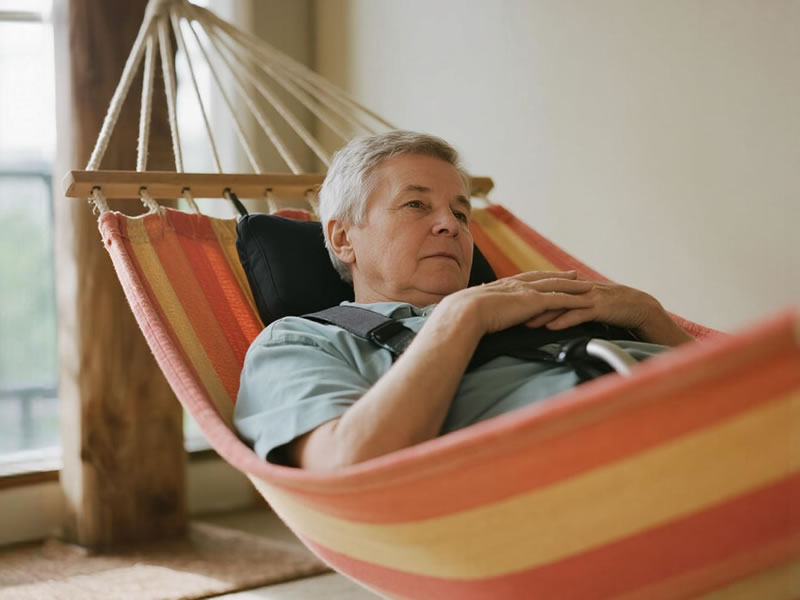
The Foundational Principle: Control and Stability
The key to accessible hammocking is shifting from a wilderness-oriented, tree-dependent setup to a controlled, stable, and highly adjustable environment. This primarily means moving away from natural anchors.
1. The Essential Tool: A Heavy-Duty Hammock Stand
A high-quality, freestanding hammock stand is non-negotiable. It provides:
- Adjustable Height: The ability to set the hammock's attachment points to an exact, optimal height for safe transfer.
- Perfect Alignment: Consistent, stable anchor points that don't sway like trees.
- Versatile Location: Use in a backyard, on a patio, or even indoors, removing the variables of uneven terrain.
2. The "Chair Height" Hang
Forget the deep sag of backpacking hangs. The goal is to hang the Lighten Up Hammock with minimal sag, so it resembles a suspended chair or chaise lounge when empty. This creates a higher, firmer seating surface that is easier to lower onto and rise from, with less dramatic movement.
Techniques for Safe Transfer and Positioning
The method of entry and exit is the most critical component.
- The Transfer Bench Method: Place a sturdy, armless bench or a robust transfer board alongside the center of the hammock (on the stand). The user can sit on the bench, then pivot laterally into the hammock, minimizing the need for significant leg lift or torso strength.
- Assisted Pivot Transfer: With a caregiver's support, the user sits on the hammock's edge as if it were a chair (thanks to the "chair height" hang), then leans back while the caregiver assists with lifting the legs into the hammock.
- Use of a Sling or Lift: For individuals with very limited mobility, a portable patient lift or a strong overhead sling system can be used to safely lower them into and raise them from the hammock. This requires professional assessment and setup.
Enhancing Comfort and Support Within the Hammock
Once positioned, comfort is paramount.
- Strategic Padding: Adding a non-slip foam pad or a folded blanket inside the hammock can provide a more familiar, supportive surface and reduce the "cocoon" feeling that some may find disorienting.
- External Back and Leg Support: A pillow placed in the small of the back or behind the knees (outside the hammock, against the fabric) can offer additional lumbar or leg support.
- Side Stabilizers: For those who may feel insecure with the sway, attaching light guylines from the sides of the stand to the ground can significantly reduce lateral movement.
Recommended Lighten Up Model & Setup Configuration
- Model Choice: A double-wide Lighten Up Hammock is often preferable. Its wider fabric provides more material to sit on (rather than sinking deeply into), making it easier to position and adjust. The extra width also accommodates supportive pillows more easily.
- Suspension: Use simple, adjustable straps like the standard Lighten Up tree straps to connect the hammock to the stand. This allows for fine-tuning the seat height and tension.
- Safety First: Always perform a gentle, supervised weight test before full use. Ensure the stand is on perfectly level ground and all connections are secure.
Consulting the Experts
This endeavor should not be undertaken alone. Consulting with an Occupational Therapist (OT) is highly recommended. An OT can:
- Assess the individual's specific abilities and needs.
- Recommend personalized transfer techniques.
- Suggest appropriate adaptive equipment.
- Ensure the entire process aligns with safety and therapeutic goals.
The Profound Reward
Creating an accessible hammock setup is an investment in well-being. It offers a unique form of supported seating that can alleviate pressure points, promote relaxation, and provide a joyful sense of being immersed in the outdoors. By prioritizing a stable stand, a higher and firmer hang, and safe transfer protocols, the gentle embrace of a Lighten Up Hammock can become a wonderfully inclusive sanctuary. It transforms the hammock from a piece of camping gear into a tool for therapeutic recreation, opening up a world of peaceful suspension to those who might have thought it was out of reach.




