




Can a Lighten Up Hammock Be Part of a Minimalist Bivy Setup?
The concept of a "bivy setup" traditionally evokes images of a solo adventurer in a minimalist, ground-based shelter—a bivouac sack tucked into the most basic of natural cover. In the modern pursuit of ultralight backpacking, this philosophy centers on carrying the absolute essentials for safety and sleep. Within this framework, a Lighten Up Hammock can not only be part of a minimalist bivy setup but can redefine it, offering a superior alternative to ground sleeping when environmental conditions permit.
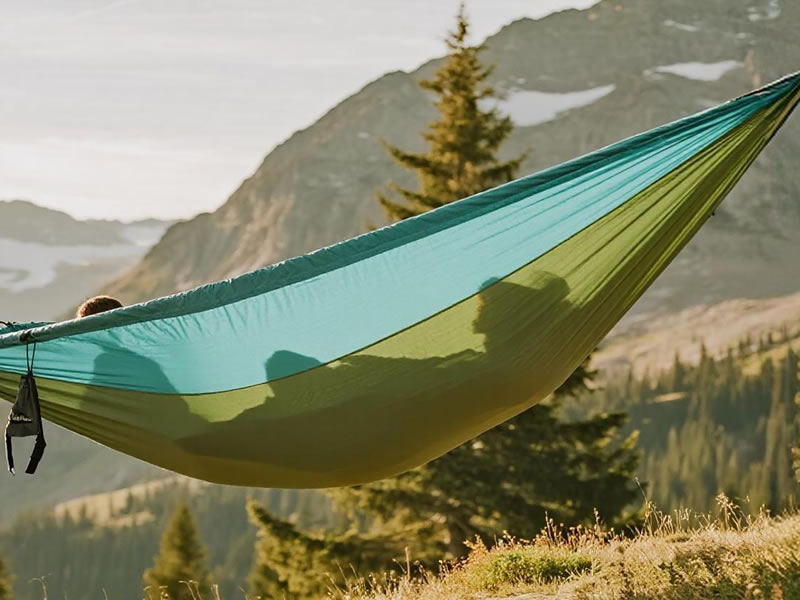
Redefining the "Bivy": From Ground to Air
A minimalist bivy setup prioritizes low weight, small packed volume, and rapid deployment. A traditional bivy sack excels at the latter two but often compromises on comfort and can suffer from condensation. A hammock system flips this paradigm:
- Comfort: Replaces hard, uneven ground with a suspended, customizable sleep surface.
- Dryness: Automatically solves the problem of wet or rocky terrain.
- Simplicity: The core setup—two straps and the hammock—is as quick as laying out a groundsheet.
The Core Minimalist Hammock "Bivy" System
To be truly minimalist, the system must be stripped to its essentials, each component chosen for multi-functionality and weight:
- The Lighten Up Hammock: Opt for a single-layer, netless model (like a simple "Ultralight" variant). This is your bed, chair, and pack cover. Weight: ~16 oz.
- Ultralight Suspension: This is where you save crucial grams. Replace stock straps with 1" dyneema tree huggers and a whoopie sling or Beckett Hitch system. Weight: ~1.5 oz.
- Weather Protection: A small, minimalist tarp is non-negotiable for a true bivy setup. A 5'x8' or 6'x9' flat tarp in silnylon or dyneema can be pitched in a simple A-frame or diamond configuration, providing critical protection with maximum weight savings (~8-12 oz).
- Insulation: This is the most significant divergence from a summer ground bivy. You must address bottom insulation. The minimalist choice is a 1/8" thin foam pad (like Gossamer Gear's Thinlight). It provides just enough insulation, can be folded for adjustment, and doubles as a pack frame or sit pad. A top quilt or a wearable sleeping bag completes the system.
The Weight and Packability Analysis
A direct comparison for a three-season setup reveals the trade-offs:
- Traditional Minimalist Bivy: Bivy Sack (8 oz) + Groundsheet (2 oz) + Sleeping Pad (10 oz) + Tarp (10 oz) = ~30 oz
- Minimalist Hammock Bivy: Hammock (16 oz) + Suspension (1.5 oz) + Foam Pad (4 oz) + Tarp (10 oz) = ~31.5 oz
The weights are strikingly similar. The hammock system trades a few ounces for a dramatic increase in sleep comfort and site selection flexibility in forested environments.
Advantages Over a Ground Bivy
- Superior Site Selection: Set up on slopes, roots, wet ground, or dense vegetation with zero impact on comfort.
- Integrated Pest and Moisture Barrier: Elevation is a natural deterrent to ground-dwelling insects, spiders, and surface water.
- Ventilation: A well-pitched tarp and the open-air hammock design eliminate the condensation issues plaguing many bivy sacks.
- Multi-Functionality: The hammock serves as a comfortable camp chair and lounger, a luxury absent in a ground bivy.
Limitations and Key Considerations
- The Tree Requirement: This is the absolute constraint. Above treeline, in deserts, or on open beaches, this system fails. It is a specialist's tool for wooded environments.
- The Learning Curve: Achieving a flat, comfortable lay requires understanding sag and diagonal positioning—more complex than unrolling a pad.
- Temperature Management: The need for bottom insulation is non-negotiable and often misunderstood by newcomers. The foam pad is a minimalist solution but can be fussy; a dedicated underquilt is warmer but adds weight and cost.
The Verdict: A Specialized, High-Reward Minimalism
Yes, a Lighten Up Hammock can absolutely be the centerpiece of an elite minimalist bivy setup—for the right environment and the informed user. It represents a lateral move in weight for a vertical leap in sleep quality and camp livability within forested biomes.
This approach is not for the absolute beginner, but for the minimalist who has experienced the limitations of the ground and seeks a more elegant solution. It embodies the true spirit of ultralight: carrying less by carrying smarter. By selecting the lightest possible hammock model, pairing it with a dyneema suspension, and utilizing a versatile foam pad and small tarp, you create a shelter system that weighs about a pound and a half, packs smaller than a loaf of bread, and delivers a night's rest that feels anything but minimalist. It is the ultimate expression of going light without going uncomfortable.




