




Using a Lighten Up Hammock for Photography (Camera Support, Relaxed Shooting)
For the outdoor photographer, gear that serves dual purposes is invaluable. Beyond its primary function as a sanctuary of rest, a Lighten Up Hammock can become a surprisingly effective tool in your photographic arsenal. It facilitates two distinct advantages: acting as a stabilizing camera support for unique shots and, more profoundly, fostering the patient, relaxed mindset essential for capturing authentic moments in nature.
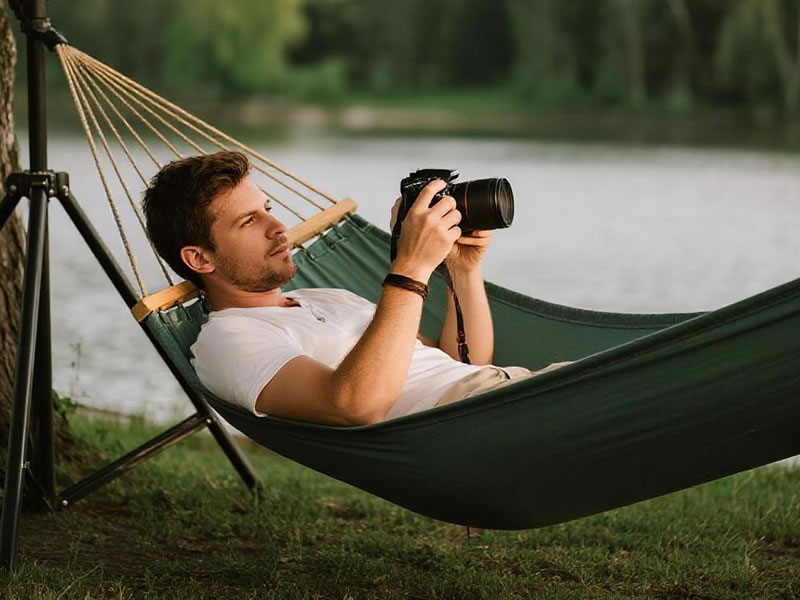
The Hammock as Camera Support: Ingenious Stabilization
A correctly hung hammock is a network of taut lines and stable fabric, offering several methods for camera stabilization beyond the traditional tripod.
- The Ridgeline Mount: A structural ridgeline is a perfectly tensioned, horizontal line. Using a lightweight mini-tripod head with a clamp (like those made by Joby or Pedco), you can securely mount your camera to this line. This is ideal for:Time-Lapses: Capture cloud movements or star trails with a perfectly static frame.Low-Angle Macro Shots: Position the camera inches above flora or fungi for an intimate perspective.Self-Portraits: Frame yourself within the hammock and environment hands-free.
- Fabric Cradle & Suspension: The hammock body itself can gently cradle a camera for stabilized handheld shots while you're reclining. More creatively, you can use a short length of cord and a carabiner to suspend your camera from the ridgeline or a strap, creating a pendulum-like stabilizer that dampens hand shake for smoother video or long exposures.
- Anchor for Remote Positions: Your tree straps and accessory cords can be used to position a camera in places a tripod can't go—secured to a tree at mid-height or angled out from a trunk for a unique compositional perspective.
Crucial Safety Note: Always use a safety tether (a short leash connecting your camera to the hammock or ridgeline) when mounting gear overhead. The goal is creative support, not an aerial disaster.
The Ultimate Tool for Relaxed Shooting: The Patience Multiplier
The hammock's greater photographic gift is intangible: it cultivates the patience required for great wildlife and landscape photography.
- The Unobtrusive Blind: A quietly suspended photographer is less disruptive than one standing, moving, and shifting weight. Settled in your hammock with a long lens, you become part of the scenery. Birds, deer, and other wildlife are more likely to resume natural behavior, allowing for candid behavioral shots.
- Embracing the Wait: Photography is often about waiting for the perfect light—the golden hour, a break in the clouds, or an animal's appearance. Doing so comfortably in a hammock transforms a tedious vigil into a pleasant meditation. This relaxed state keeps you alert and observant, not fatigued and frustrated.
- The Low-Profile Advantage: A hammock naturally places you at a lower, often more compelling eye level with your subject, whether it's a wildflower or a forest stream. This perspective is more immersive and powerful than the standard standing shot.
- Mindset and Composition: The act of slowing down allows for more thoughtful composition. You can observe the scene, watch how light plays through the canopy, and mentally frame shots without rushing.
Practical Workflow for the Photographer-Hammocker
- Pack Integration: Use your hammock's stuff sack to store and protect a layer of camera gear, like lenses or filters, within your larger pack.
- Quick Access: Keep your primary camera in a small sling or pouch that can be worn while in the hammock, or within easy reach in a ridgeline organizer.
- Lens Management: When swapping lenses in the hammock, work over the fabric of your lap or a clean pouch to prevent drops. The hammock's "cocoon" can actually minimize dust exposure compared to changing lenses on the ground.
- Weatherproofing: Your rain tarp doubles as an excellent shelter for both you and your camera during unexpected showers, allowing you to keep shooting or wait in comfort.
Conclusion: A Frame for Both You and Your Subject
Integrating a Lighten Up Hammock into your photography practice is about leveraging its physical structure for creative support and, more importantly, harnessing its psychological framework for deeper engagement with your environment. It moves you from being an active, sometimes intrusive hunter of images to a patient, receptive participant in the landscape. The resulting photographs often carry the quiet, immersive quality of someone who was truly present—not just passing through. In this way, the hammock becomes more than a piece of camping gear; it becomes a fundamental tool for seeing and capturing the natural world with greater stillness, comfort, and creativity.




