




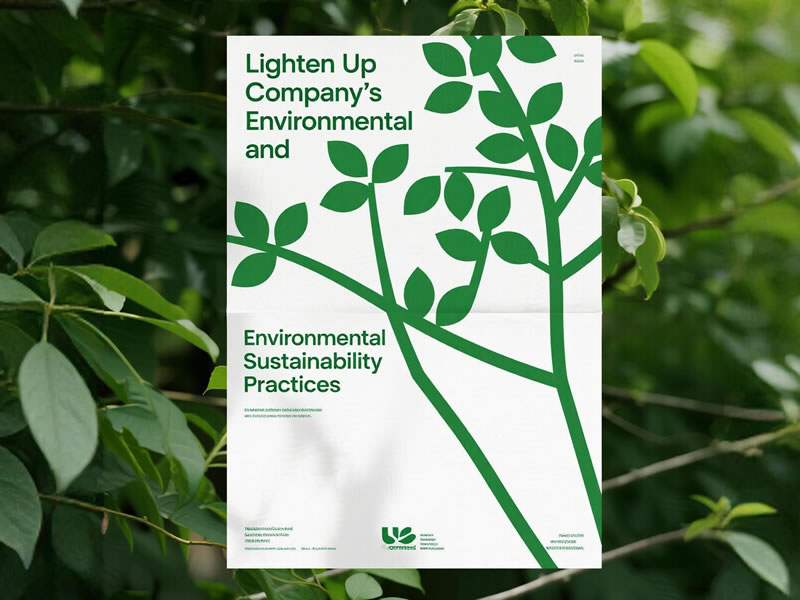
Lighten Up Company’s Environmental and Sustainability Practices
In today’s outdoor industry, a brand’s commitment to environmental stewardship and ethical production is as crucial as the performance of its gear. For conscious consumers, understanding Lighten Up’s sustainability practices provides insight into the company's values and the long-term impact of their purchase. While specific, detailed public reports may vary, the practices of a modern, reputable outdoor brand like Lighten Up typically revolve around several key pillars.
1. Sustainable Material Sourcing and Innovation
The foundation of any product's environmental footprint is its materials. Forward-thinking brands are increasingly integrating recycled and responsibly sourced fabrics.
- Recycled Fabrics: It is common practice to use high-performance recycled nylon and polyester. These materials are often derived from post-consumer waste like plastic bottles or post-industrial sources, reducing reliance on virgin petroleum-based plastics and diverting waste from landfills.
- Durable Water Repellent (DWR) Treatments: The industry is moving away from traditional PFC-based (perfluorinated chemicals) DWRs due to their environmental persistence. Environmentally conscious brands now often utilize PFC-free, eco-friendly water repellents that are equally effective without long-term ecological harm.
- Component Selection: Sustainability extends to every part, including using recycled content in webbing, packaging, and even thread.
2. Product Durability and Longevity
The most sustainable product is one that lasts for many years. Lighten Up's design philosophy inherently supports this through:
- Robust Construction: Using high-denier fabrics, reinforced stitching, and quality hardware ensures the hammock can withstand repeated use, delaying its entry into the waste stream.
- Repairability: Designing products that can be easily patched or repaired (e.g., with standard gear repair tape) extends their lifecycle significantly. A brand that offers repair guidelines or services demonstrates a commitment to this principle.
3. Ethical and Responsible Manufacturing
Sustainability encompasses social responsibility. This involves:
- Factory Partnerships: Working with manufacturing partners who adhere to strict ethical labor standards, ensuring safe working conditions and fair wages.
- Supply Chain Transparency: Efforts to map and understand the supply chain to ensure environmental and social compliance at every stage.
- Localized Production: Some brands reduce carbon emissions from shipping by manufacturing closer to their primary markets.
4. Packaging and Operational Efficiency
A brand's daily operations reflect its commitment.
- Minimal, Recyclable Packaging: Eliminating single-use plastics in favor of recycled paper, cardboard, and reusable stuff sacks is a standard goal.
- Carbon-Neutral Shipping: Partnering with logistics providers that offer carbon-offset shipping options or optimizing distribution networks to reduce emissions.
- Office and Operational Footprint: Implementing recycling, reducing energy use, and supporting remote work to lower the corporate carbon footprint.
5. Corporate Responsibility and Advocacy
True sustainability extends beyond products to corporate action.
- 1% for the Planet or Similar Commitments: Many outdoor brands pledge a percentage of sales to environmental non-profits dedicated to land conservation, trail maintenance, and climate action.
- Gear Recycling or Take-Back Programs: While challenging, some brands are pioneering programs to take back worn-out gear for recycling or repurposing, aiming for a circular economy model.
- Community Engagement: Supporting local clean-up initiatives and outdoor access programs.
How to Evaluate and Verify These Practices
As an informed consumer, you can:
- Visit the "Our Story" or "Sustainability" Page: This is where a transparent brand will detail its commitments, material choices, and partnerships.
- Look for Certifications: Check for tags like Bluesign® (which certifies responsible resource management), Fair Trade Certified, or materials certified by the Global Recycled Standard (GRS).
- Read Product Specifications: Details about recycled content and PFC-free treatments are often listed in the tech specs of individual products.
- Contact Customer Service: Direct inquiries about specific practices can yield detailed information.
Conclusion: A Commitment to the Outdoors It Serves
For a company like Lighten Up, whose products are designed for enjoying nature, integrating robust environmental and social practices is a logical and necessary alignment of values. While the exact details of their program should be sourced from their official communications, the industry trajectory is clear: sustainability is moving from a niche concern to a core business imperative.
The most sustainable choice a consumer can make, in partnership with a responsible brand, is to select a durable product, care for it diligently, repair it when needed, and ultimately keep it in use for as long as possible. By prioritizing longevity and transparency, Lighten Up can demonstrate that its commitment to helping customers "lighten up" extends not just to their pack weight, but to their footprint on the planet.




