




Ethical Manufacturing: Where and Under What Conditions Are Lighten Up Hammocks Made?
For the discerning consumer, the story behind a product is as important as its performance. Understanding where and how a Lighten Up Hammock is manufactured speaks directly to the brand's core values regarding human rights, environmental responsibility, and transparency. While specific, up-to-date factory details are proprietary and dynamic, we can explore the established standards for ethical manufacturing in the outdoor industry and outline how to verify a brand's commitment.
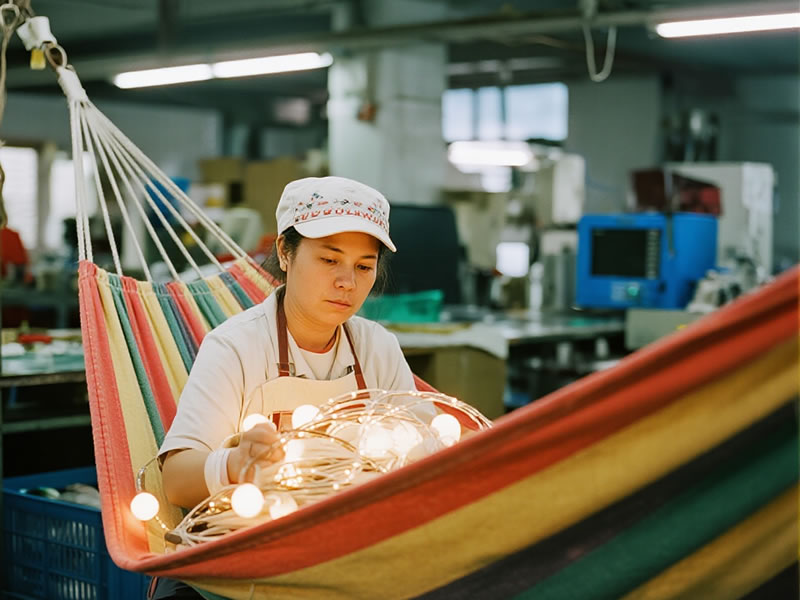
The Pillars of Ethical Manufacturing
Ethical manufacturing extends beyond mere legality. It encompasses a holistic approach to people, planet, and process:
- Fair Labor Practices & Safe Working Conditions: This is the cornerstone. Ethical factories ensure:Fair Wages: Compensation that meets or exceeds local legal minimums and covers basic needs.Safe Environment: Clean, ventilated facilities with proper safety equipment, emergency protocols, and reasonable working hours.Worker Empowerment: Freedom of association, prohibition of forced or child labor, and channels for addressing grievances without fear of reprisal.
- Environmental Stewardship at the Factory: Ethical production minimizes its footprint through:Waste Management: Proper treatment and disposal of dyes, chemicals, and textile waste.Energy & Water Efficiency: Implementation of conservation technologies and renewable energy where possible.Chemical Management: Adherence to strict standards like the ZDHC (Zero Discharge of Hazardous Chemicals) Roadmap.
- Supply Chain Transparency: An ethical brand knows its suppliers—not just the final assembly factory, but also the sources of its fabrics, webbing, and hardware. This traceability is key to ensuring standards are upheld at every level.
The "Where": Common Manufacturing Landscapes
Outdoor gear manufacturing is global, with concentrations in regions known for technical textile expertise:
- Asia: Countries like China, Vietnam, and the Philippines have highly developed textile industries. Many facilities here are modern and compliant with international standards, often producing for the world's top brands. The location is less indicative of quality or ethics than the specific factory's practices and the brand's oversight.
- The United States & Europe: Some brands choose domestic or near-shore manufacturing to reduce carbon footprint, ensure stricter regulatory compliance, and support local economies. This often comes with a higher product cost but can enhance transparency.
Crucially, the geographic location itself does not define ethics. A factory in any country can be exemplary or exploitative. The differentiator is the brand's active involvement in auditing and partnership.
How to Investigate Lighten Up's Specific Practices
As a potential buyer or advocate, you have the right to inquire. Here is a framework for seeking verification:
- Consult the Brand's Official Communications: This is the first and most important step. Visit the Lighten Up website and look for dedicated pages such as:"Our Story" or "Our Values""Sustainability" or "Responsibility""Manufacturing" or "Ethical Production"A transparent brand will openly discuss its factory partnerships, auditing processes, and core commitments here.
- Look for Third-Party Certifications: These provide independent verification. While not exhaustive, credible certifications include:Fair Trade Certified™: Ensures safe working conditions, environmental protection, and community investment.Bluesign®: Certifies that a product is made with materials and processes that are safe for people, resources, and the environment.Social Accountability International’s SA8000®: A global standard for decent working conditions.OEKO-TEX® Standard 100: Tests for harmful substances in textiles.
- Examine Product Details & Packaging: Sometimes, information about recycled content or factory compliance is listed on product tags or in online specifications.
- Direct Inquiry: Reach out to Lighten Up's customer service with a polite, specific question. For example: "Can you share information about the ethical manufacturing standards upheld in the facilities where your hammocks are made? Do you work with third-party auditors?" A responsive, detailed answer is a positive sign.
The Brand's Responsibility: Partnership Over Policing
Truly ethical manufacturing isn't about finding the cheapest contractor. It's about forming long-term partnerships with factories. This involves:
- Regular, Unannounced Audits: Conducted by the brand or a third party.
- Collaborative Improvement: Working with factories to correct deficiencies and improve standards over time.
- Paying a Fair Price: Ensuring the factory can afford to pay fair wages and maintain safe conditions.
Conclusion: Informed Consumption as Advocacy
As of my last update, specific factory details for Lighten Up are not publicly cataloged in my knowledge base. Therefore, the onus is on the brand to communicate this and on the consumer to seek it out.
Your curiosity about ethical manufacturing is a powerful force. By asking these questions and prioritizing transparency, you encourage brands to invest in responsible supply chains. When a brand like Lighten Up clearly communicates its commitment to safe, fair, and environmentally conscious production—backed by tangible policies or certifications—it allows you to align your purchase with your values. Ultimately, the story of how a hammock is made should be one you can feel good about, complementing the comfort and adventure it provides.




