




Reducing Environmental Impact: How to “Leave No Trace” with a Lighten Up Hammock
Hammock camping, when done thoughtfully, can be one of the lowest-impact ways to sleep outdoors, often superior to tent camping in its avoidance of ground disturbance. Adhering to the seven Leave No Trace (LNT) principles with your Lighten Up Hammock ensures you preserve the wild places you enjoy. This guide translates those core principles into specific, actionable practices for the hammock camper.
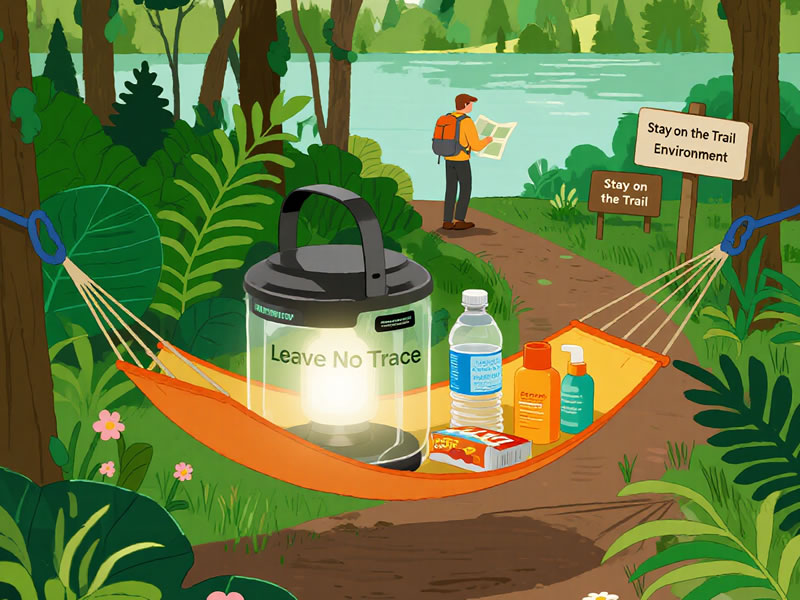
1. Plan Ahead and Prepare
- Research Regulations: Before you go, determine if hammocks are allowed in your destination. Some parks and fragile ecosystems (like certain desert or alpine areas) prohibit them to protect scarce trees.
- Practice Setup at Home: Master hanging your hammock and tarp in your backyard. This prevents damage to trees from repeated adjustments and fumbling on-site.
- Choose the Right Gear: Use only wide, manufacturer-provided tree straps (at least 1 inch/2.5 cm wide). Never use ropes, paracord, or thin cords that cut into and girdle tree bark, which can kill the cambium layer.
2. Travel and Camp on Durable Surfaces
- Focus on Resilient Trees: Select sturdy, live trees that are at least 6-8 inches (15-20 cm) in diameter. Avoid young saplings, dead or diseased trees, and trees with sensitive or peeling bark.
- Use Established Campsites: Whenever possible, set up in an existing, impacted site rather than creating a new one in pristine vegetation.
- Protect the Ground: Even when suspended, choose a site where the ground beneath you is durable (like leaf litter or bare soil) rather than on delicate plant life like mosses, ferns, or wildflowers.
3. Dispose of Waste Properly
- Pack It In, Pack It Out: This includes all micro-trash: tape, twist ties, food scraps, and even dental floss. Use your hammock's stuff sack to store trash until you can properly dispose of it.
- Waste Water and Hygiene: Wash dishes, brush teeth, and bathe at least 200 feet (70 adult steps) away from any water source. Use biodegradable soap sparingly, and scatter strained wash water.
- Human Waste: Follow area regulations for catholes or wag bags. Never relieve yourself directly under your hammock site.
4. Leave What You Find
- Preserve the Trees: Do not strip bark, drive nails or screws, or cut branches to “make room” for your hammock. The phrase “hang it high, but don’t hang it dry” reminds us to avoid over-stressing trees.
- Leave Natural Objects: Resist the temptation to collect rocks, pinecones, or flowers to decorate your camp. Their place is in the ecosystem.
- Avoid Modifications: Don’t build structures, dig trenches, or clear vegetation around your hang site.
5. Minimize Campfire Impacts
- Use a Stove: A lightweight camp stove is the LNT standard for cooking. It leaves no scar, requires no wood, and works in all weather.
- If You Must Have a Fire: Only build one where it’s legal, in an existing fire ring, using only small, downed wood you can break by hand. Keep it small. Never leave it unattended, and ensure it is completely cold to the touch before you leave.
- Position Wisely: Hang your hammock well away from the heat and smoke of a fire to avoid scorching the fabric or forcing you to move anchors later.
6. Respect Wildlife
- Store Food Securely: Never keep food or scented items in your hammock. Use bear canisters, Ursacks, or proper food hangs far from your sleeping area.
- Observe from a Distance: Your elevated position offers great viewing, but avoid disturbing animals. Do not feed them.
- Camp Away from Trails and Water Sources: This reduces the chance of surprising wildlife and allows them unimpeded access to their essential paths and drinking areas.
7. Be Considerate of Other Visitors
- Choose Discreet Colors: Part of LNT is visual impact. Lighten Up Hammocks often come in earthy, low-impact colors that blend with the forest, unlike bright, neon fabrics.
- Manage Noise: Keep voices low, and avoid loud electronics. The gentle sway of a hammock is a quiet activity—let it be.
- Respect Privacy: Give other campers plenty of space. Your hang site shouldn’t overlook someone else's camp.
The Final Check: The "No-Trace" Departure
Before you leave your site, conduct a thorough sweep:
- Remove all straps, lines, and cords from the trees.
- Check the ground beneath and around your hang for any dropped items, micro-trash, or disturbed duff.
- Fluff up any matted grass or leaves.
- Your goal is that no one should be able to tell a hammock camper was ever there.
By integrating these practices, your Lighten Up Hammock becomes a tool not just for personal comfort, but for active stewardship. It allows you to rest in the forest while ensuring it remains just as wild, healthy, and beautiful for those who follow and for the ecosystem itself. This is the true essence of leaving no trace.




