




What to Do If Your Lighten Up Hammock Gets Mold or Mildew
Discovering mold or mildew on your Lighten Up Hammock can be disheartening, but prompt and correct action can often salvage your gear and prevent health risks. Mold spores thrive in damp, dark, and poorly ventilated environments—conditions a stored hammock can unfortunately create if not fully dry. This guide provides a step-by-step protocol to safely and effectively address the problem.
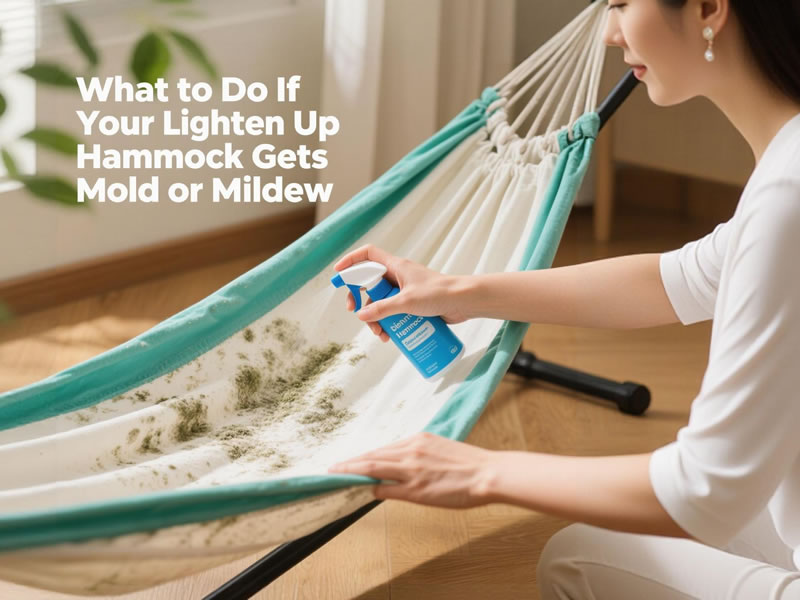
Immediate Action: Assessment and Containment
- Take It Outside: Immediately move the hammock outdoors to prevent spores from spreading indoors. Wear a mask if you are sensitive to mold.
- Dry Assessment: Shake the hammock vigorously to dislodge loose spores and debris. Visually inspect the extent of the growth. Surface mildew (fuzzy or powdery spots) is treatable. Deep, embedded mold that has caused significant staining and fabric degradation may compromise the material's strength, and safety should be your primary concern.
The Cleaning Protocol: Gentle but Effective
Do Not Use Bleach. Bleach can severely weaken synthetic nylon/polyester fibers and degrade stitching.
Recommended Cleaning Solutions:
- White Vinegar Solution: Mix one part distilled white vinegar with four parts cool water. Vinegar is a natural fungicide that kills over 80% of mold species.
- Technical Gear Cleaner: Use a specialized, non-detergent cleaner like Nikwax Tech Wash or Gear Aid ReviveX. These are designed for technical fabrics and won't harm water-repellent coatings (DWR).
- Mild, Fragrance-Free Soap: A small amount of Dr. Bronner's unscented castile soap or similar can be used.
Step-by-Step Cleaning:
- Pre-Soak: Submerge the hammock in your chosen cleaning solution in a large tub or clean bucket for 15-30 minutes.
- Gentle Agitation: Using a soft-bristled brush (like a nail brush or dish brush), gently scrub the affected areas. Focus on the spots but avoid aggressive scrubbing that could damage the fabric weave.
- Seams and Crevices: Pay close attention to seams and gathered ends where moisture lingers.
- Rinse Thoroughly: Rinse the hammock multiple times with cool, clean water until all soap or vinegar residue is gone.
The Critical Step: Drying Completely
This is the most important part of killing mold and preventing its return.
- Sun Dry: Hang the hammock in direct sunlight. UV rays are a powerful natural disinfectant and deodorizer. Ensure it is fully spread out.
- Airflow is Key: Choose a windy day or a place with excellent airflow. You can hang it over two parallel lines to expose all sides.
- Verify Full Dryness: Do not assume it's dry after a few hours. Feel every section, especially the dense seams and end channels. It must be 100% bone-dry to the core. This may take 24-48 hours depending on humidity.
Post-Treatment: Odor and Stain Management
- Persistent Odor: If a musty smell remains after cleaning and sun-drying, another soak in a vinegar solution or a product like Miracle Mist can help.
- Stains: Mold can leave behind dark stains. While often harmless, they can be difficult to remove fully. Sun-bleaching over time may lighten them.
When to Consider Replacement
Prioritize safety. If any of the following are true, it is time to retire the hammock:
- The fabric feels brittle, slimy, or significantly weakened in the affected areas.
- The mold growth is extensive and has visibly eaten into the fibers.
- The structural stitching is compromised.A hammock with compromised integrity is a serious safety hazard.
Prevention: The Best Cure
To ensure you never face this problem again:
- Never Store a Damp Hammock: This is the golden rule. Always dry your hammock completely after use, even from morning dew.
- Store Properly: Keep it in a breathable cotton sack (not the original stuff sack) in a cool, dry, and dark place. Avoid damp basements or hot attics.
- Clean Periodically: Give your hammock a gentle wash once a season to remove organic matter (pollen, dirt) that mold feeds on.
- Use a Drying Line: On multi-day trips, if your hammock gets wet, hang it on a line during breakfast to air out before packing.
Conclusion
Mold on your Lighten Up Hammock is a fixable issue if addressed immediately and methodically. The formula is straightforward: kill the mold with a vinegar or tech wash solution, physically remove it with gentle brushing, and eliminate all moisture through perfect, sun-assisted drying. By adopting proactive storage habits—ensuring your hammock is always completely dry before stowing it away—you can protect your investment and ensure many more years of clean, safe, and comfortable hangs. Remember, when in doubt about the fabric's strength, err on the side of caution and replace it.




