




Cold Weather Concern: Does the Fabric of a Lighten Up Hammock Become Brittle in Freezing Temps?
This is a crucial question for adventurers looking to extend their hammocking season into winter. The short answer is: The synthetic fabrics used in Lighten Up Hammocks (typically nylon or polyester) will become significantly stiffer and less flexible in freezing temperatures, but they do not become dangerously brittle or lose their fundamental tensile strength within the range of normal winter camping.
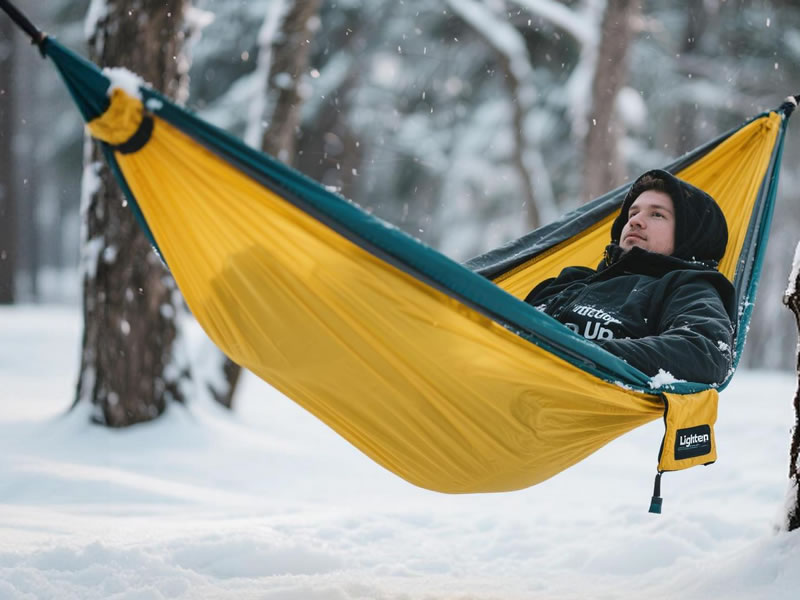
Understanding this behavior and its practical implications is key to safe and comfortable cold-weather use.
The Material Science: How Synthetics React to Cold
Nylon and polyester are thermoplastic polymers. Their molecular chains become less mobile as temperature decreases.
- What "Brittle" Really Means: True brittleness implies a drastic reduction in impact strength and elongation—the material would shatter or crack under sudden force, like glass. This is not characteristic of these fabrics until temperatures plunge far below those encountered in typical winter camping (think liquid nitrogen levels of cold).
- The Real Effect: Increased Stiffness & Reduced Elasticity: As temperatures drop below freezing, the fabric will lose its supple, soft hand feel. It will feel crisp, stiff, and less pliable. This affects two main areas:Packability: It will be harder to stuff into its sack.Handling: It may hold creases more sharply and be less forgiving during setup.
Crucially, the ultimate strength—the point at which it would tear under steady tension—is largely retained. The force required to tear the fabric cold is not substantially lower than when warm.
Practical Implications for the Winter Hammocker
The cold-stiffening of the fabric has several important consequences:
- Setup Requires More Care: Stiff, cold webbing and fabric are harder to manage. Knots can be trickier to tie and untie. It's advisable to work with gloves that maintain dexterity. The fabric may not drape or sag as initially expected until body heat begins to warm it slightly.
- Avoid Sharp Impacts and Abrasion: While the fabric won't shatter, its reduced flexibility makes it more susceptible to damage from abrasion against frozen bark or from sharp, point-load impacts (e.g., accidentally kicking it with a crampon). Be extra mindful during setup and takedown.
- The Greater Risk is NOT Fabric Failure: The primary concern in winter hammocking is convective heat loss. Cold air circulating beneath you will drain body heat rapidly and dangerously. A full-length, properly rated underquilt is non-negotiable, far outweighing fabric brittleness as a safety issue.
- Suspension Considerations: Metal hardware (carabiners, buckles) will become extremely cold to the touch and can conduct heat away from you. Some campers prefer whoopie slings or knot-based systems in deep cold to avoid handling metal.
Temperature Ranges and Limits
- 0°F to 32°F (-18°C to 0°C): Standard operating range for three-season fabrics. Expect stiffness but no functional degradation in strength. This is where 99% of winter camping occurs.
- Below 0°F (-18°C) and into Extreme Cold: Stiffness increases further. While strength remains, the handling characteristics change significantly. Specialized expedition-grade fabrics or shelters might be considered for prolonged exposure in these conditions, but more due to insulation needs than fabric integrity.
- Storage Warning: Never fold or crease your hammock when it is frozen. This can create permanent stress lines in the stiffened fibers. Always let it warm up to a pliable state before packing it away.
Best Practices for Cold Weather Use
- Warm It Up Gently: If possible, keep the hammock inside your jacket before setup to make it more pliable.
- Use a Structural Ridgeline: This guarantees a consistent sag regardless of the fabric's stiffness, ensuring a comfortable lay every time.
- Perform a Gradual Load Test: Once hung, apply weight slowly and carefully, listening for any unusual sounds (though these are unlikely from the fabric itself).
- Protect It From Moisture: A frozen hammock that then gets wet can develop ice within the fibers, exacerbating stiffness. Use a weather shield or top cover to block wind and spindrift.
- Thaw and Dry Thoroughly Post-Trip: When you get home, allow the hammock to fully reach room temperature and ensure it is completely dry before storage to prevent mildew.
The Verdict: A Manageable Characteristic, Not a Deal-Breaker
The cold-induced stiffness of your Lighten Up Hammock's fabric is a manageable characteristic, not a critical flaw. It does not represent a significant safety hazard in terms of sudden tearing under normal use. The engineered strength of the synthetics remains robust well below freezing.
The intelligent winter camper's focus should be squarely on mastering insulation (underquilt and top quilt), wind protection (a solid, pitched tarp), and careful, deliberate setup with the understanding that their gear will feel different. By respecting the changed physical properties of the fabric in the cold and adapting their techniques accordingly, adventurers can confidently and comfortably enjoy the unique serenity of a winter hang.




