




What is a Carabiner?
At first glance, a carabiner is a deceptively simple piece of gear: a metal loop with a spring-loaded gate. However, this humble tool is a cornerstone of safety and utility in countless fields, from the vertical world of rock climbing to the pockets of everyday carry enthusiasts. Understanding its design, strength, and proper use is crucial.
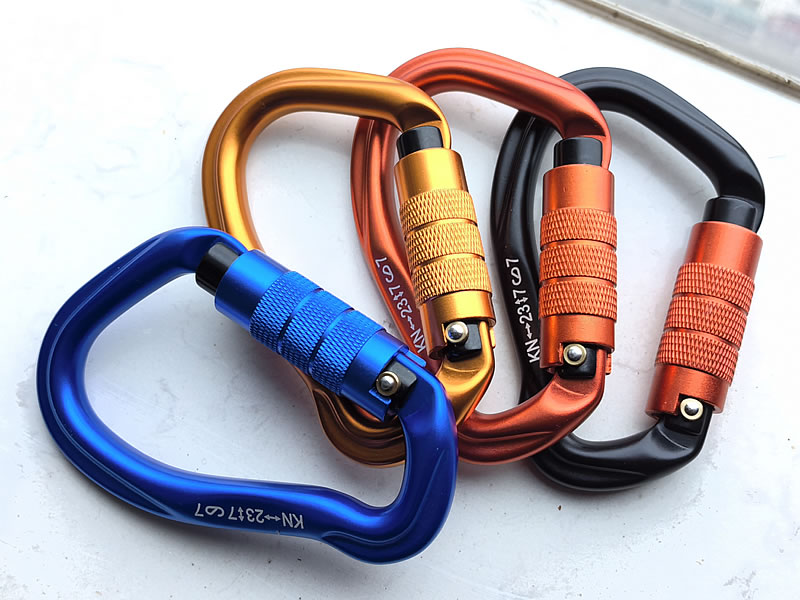
The Core Concept: More Than Just a Fancy Clip
The word "carabiner" comes from the German Karabinerhaken, meaning "carbine hook," a reference to its early use by soldiers to attach gear. Its fundamental purpose is to be a secure, strong, and quick-to-use connector. It creates a reliable link between two objects—a rope and a harness, a leash and a dog, keys and a belt loop.
Types and Designs: Choosing the Right Tool
Not all carabiners are created equal. Their design dictates their safety and primary use:
- Shape: Oval carabiners are symmetrical and good for gear racks. D-shaped designs are stronger, as the load is directed onto the spine. Asymmetric D (or HMS) carabiners are wider for easier use with certain climbing knots.
- Gate Mechanism: This is critical for safety.Non-Locking: A simple sprung gate for quick clipping. Common on gear loops but never for critical life support.Locking: Features a sleeve (screw-gate) or lever (auto-locking) that prevents the gate from opening accidentally. Essential for any connection where a failure would mean a fall or drop.
Materials and Strength: The Mark of Trust
Carabiners are typically made from aluminum (lightweight for climbing) or steel (extremely strong and durable for industrial use). Their strength is stamped on the spine in kilonewtons (kN). Remember, 1 kN ≈ 225 lbs of force. You'll see three ratings:
- Major Axis (Spine Load): e.g., 22-24 kN. The strength when loaded along its long side.
- Minor Axis (Cross Load): e.g., 7-8 kN. Weaker strength if loaded on the side.
- Gate Open: e.g., 7-9 kN. Dramatically reduced strength if the gate is open under load, highlighting why locking carabiners are vital.
Beyond Climbing: Everyday Versatility
While born for alpinism, carabiners have climbed into daily life:
- EDC (Everyday Carry): For keys, multitools, or masks.
- Organization: Attaching water bottles to bags, securing gear to a backpack.
- Pets: On leashes for secure attachment.
- Tactical & Industrial Use: For securing tools, equipment, and safety lanyards.
Safety First: Non-Negotiable Rules
- Always use a locking carabiner for life-critical applications.
- Inspect regularly for cracks, sharp burrs, gate stickiness, or wear.
- Load only on the major axis (spine), never cross-load or load with the gate open.
- Understand the ratings and ensure they exceed the intended force.
- Never modify or grind down a carabiner.
Choosing Your Carabiner
Ask: What is my primary use? For climbing/safety, invest in certified, locking carabiners from reputable brands (like Black Diamond, Petzl, Mammut). For everyday organization, smaller, non-locking versions are fine, but always be mindful of their limits.
In conclusion, a carabiner is a masterpiece of functional design where simplicity meets immense responsibility. It is a symbol of the principle that connects all safety-critical fields: the right tool, used correctly, is the foundation of security. Whether you're scaling a cliff or just keeping your keys handy, respecting its engineering and limits is paramount.




