




Carabiner Size Guide: How to Choose the Right Dimensions for Your Needs
Choosing the correct carabiner size is a critical step in ensuring safety, functionality, and efficiency. While strength (kN) is a vital specification, physical dimensions—internal length, gate opening, and overall bulk—directly impact how a carabiner performs in real-world use. This guide breaks down the key metrics and provides clear recommendations for climbing, industrial, and everyday applications.
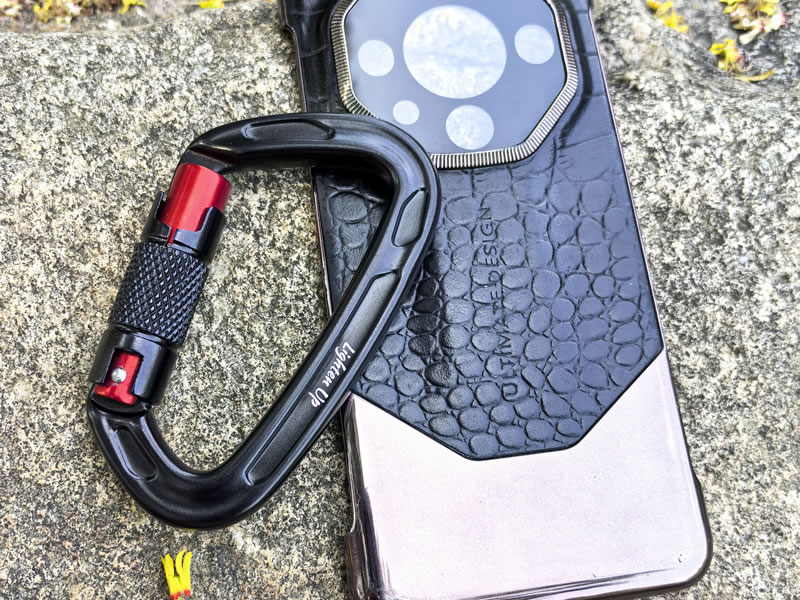
Understanding Carabiner Size Specifications
Size is defined by three primary measurements:
- Internal Length (or Height): The distance from the inside of the top curve (the nose) to the inside of the bottom curve (the spine). This determines how much space you have inside the carabiner for multiple items (e.g., a sling, a rope, and a bolt hanger).
- Gate Opening: The maximum distance the gate can swing open. This determines the size of the object you can fit into the carabiner.
- Overall Dimensions: The carabiner's total exterior size, which affects weight and how it sits on a gear loop or in your hand.
Carabiner Sizes by Application
1. Climbing & Mountaineering
For climbing, size selection is a balance between capacity and weight.
- Standard D-Shape (Workhorse Size):Internal Length: ~95-105 mmGate Opening: ~20-24 mmUse: The versatile default for most tasks: racking cams and nuts, building anchors, and general clipping. Provides ample internal space without excessive bulk.
- HMS / Pear-Shaped (Belay & Munter Hitch Size):Internal Length: ~110-120 mmGate Opening: ~25-30 mmUse: Specifically designed for belaying and rappelling. The larger internal cavity comfortably fits a belay device and two ropes, or a Munter hitch, preventing dangerous cross-loading. This larger size is non-negotiable for a primary belay carabiner.
- Small / Lightweight D-Shape (Performance & Alpine Size):Internal Length: ~80-90 mmGate Opening: ~18-21 mmUse: Sport climbing quickdraws (rope end) and alpine climbing racks. The smaller size and reduced weight are crucial when carrying many carabiners. Models like the Petzl Spirit or Ange define this category.
- Oval Carabiners:Dimensions: Vary, but generally symmetrical.Use: Less common now, but their even shape can be advantageous for aid climbing or specific gear organization tasks.
2. Industrial & Rigging
Heavy-duty carabiners prioritize capacity over weight.
- Large Steel D-Shapes & Pear-Shapes:Internal Length: 120 mm to 200+ mmGate Opening: 30 mm to 50+ mmUse: Designed to accommodate thick straps, shackles, multiple rope eyes, or large anchor points. Size is chosen based on the thickness of the connecting elements to ensure a proper fit without pinching or cross-loading.
3. Everyday Carry (EDC) & Organization
For keys and gear, compactness is key.
- Mini Carabiners:Internal Length: 40-70 mmGate Opening: 10-15 mmUse: Perfect for key rings, attaching small tools to backpacks, or light organization. Not for load-bearing safety.
How to Choose: A Practical Framework
Follow this process to select the right size:
- Identify the Largest Object: What is the bulkiest item that will need to fit inside the carabiner? For a belayer, it's a belay device plus rope. For a rigger, it might be a large steel shackle. Ensure the internal length is greater than this object's thickness when folded or connected.
- Consider the Gate Opening: What is the largest connection point you need to clip onto? This could be a bolt hanger, a thick tree branch, or a welded ring. The gate opening must be wider than this point.
- Account for Multiple Connections: Will you be clipping more than one item into the carabiner simultaneously (e.g., two slings and a rope)? If so, you need extra internal length to prevent crowding and ensure the gate can close fully over all elements.
- Evaluate Weight and Bulk: If you will carry many carabiners (e.g., on a trad rack), downsizing to a smaller, lighter model within the safe parameters above can significantly reduce fatigue.
Common Mistakes to Avoid
- Using an HMS for a Quickdraw Bolt End: The large size creates unnecessary leverage and can increase the chance of the carabiner twisting and cross-loading on the bolt.
- Using a Mini EDC Carabiner for Climbing: They are not strength-rated for dynamic loads and their small gate opening is difficult to manipulate with cold hands or under stress.
- Ignoring Crowding: Forcing too many items into a carabiner can prevent the gate from closing fully or create a scenario where one item can press against and open the gate.
Conclusion
The "right" carabiner size is the one that provides a secure, functional fit for your specific connection without introducing unnecessary weight or bulk. In climbing, let the task dictate the size: a large HMS for belaying, a standard D for anchors, and a small wire-gate D for your rack. In industrial settings, size up to accommodate thick materials. For daily life, small is smart. By matching the dimensions to the demands of the task, you ensure your gear operates as intended—smoothly, securely, and reliably.




