




Carabiners for Hiking: The Ultimate Organization and Utility Tool
When venturing onto the trail, efficiency and accessibility are key. While not a piece of safety equipment in this context, a well-chosen carabiner is one of the most versatile and underrated tools a hiker can carry. Moving beyond their climbing origins, carabiners for hiking serve as the ultimate organizers, problem-solvers, and gear managers, helping you keep essential items secure and within reach.
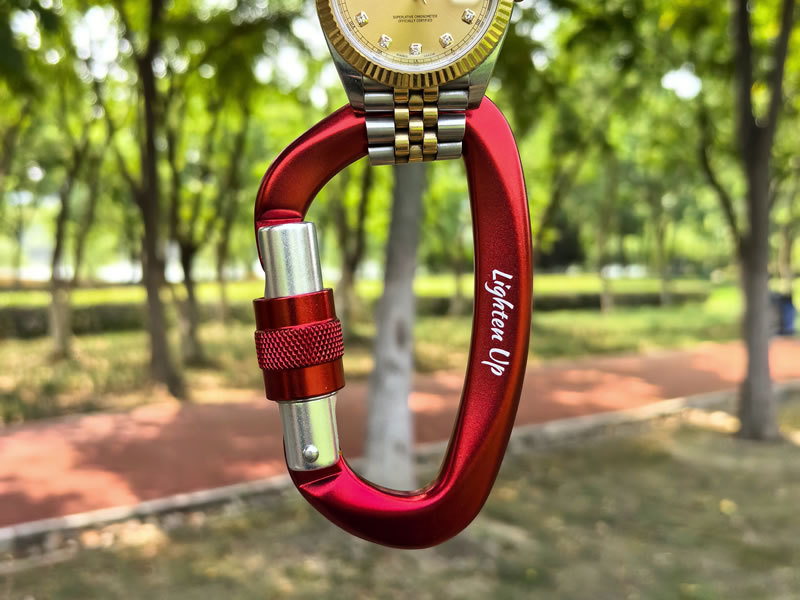
The Core Philosophy: Organization, Not Life Support
It is crucial to understand the distinction: Carabiners used for hiking are for gear management and utility, not for climbing, roped safety, or bearing the weight of a person. Their strength is leveraged for securing equipment, not protecting against a fall. This mindset guides every selection and use case outlined below.
Key Functions on the Trail: More Than Just a Clip
A hiking carabiner’s value lies in its myriad practical applications:
- External Gear Attachment: The most common use. Securely lash items to the exterior of your backpack using the pack's load-lifter loops, daisy chains, or gear loops.Water Bottles & Mugs: Clip a bottle to a shoulder strap for easy hydration.Trekking Poles: Quickly secure poles when your hands are needed for scrambling or photography.Wet or Dirty Gear: Hang soggy rain jackets, muddy gaiters, or wet shoes outside your pack to dry and avoid soaking other contents.Bear Spray: Keep it instantly accessible on a hip belt loop.
- Internal Organization: Inside your pack, use a small carabiner as a "keyring" for your essentials.Clip together items like a headlamp, whistle, multi-tool, and pack keys. Dangle this cluster from an internal loop, preventing a frustrating dig through the pack's abyss to find a small, critical item.
- Campsite Utility: At camp, their functionality expands.Bear Bag Hanging: A vital component in a proper bear hang system, used to connect your food bag to the main cord.Gear Loft: Create an impromptu gear hanger by clipping multiple items to a carabiner suspended from a tree branch.Tarp & Tent Setup: Useful for attaching guylines or creating adjustable tension points.
Choosing the Right Hiking Carabiner: Features that Matter
For hiking, specific design features trump ultra-high kN ratings.
- Material & Weight: Lightweight aluminum is ideal. You’ll carry it for miles, so every gram counts. Avoid heavy steel models.
- Size: Small to medium (internal length of 40mm to 80mm) is perfect. Large climbing carabiners are overkill and cumbersome.
- Gate Type: A non-locking wire or solid gate is best for 95% of uses, allowing quick, one-handed operation. Consider a small locking carabiner (screw-gate) for securing your most critical items (e.g., a satellite messenger or car keys) to prevent accidental loss.
- Nose Design: A keylock or snag-free nose is highly recommended. It prevents the carabiner from hooking onto backpack threads, clothing, or tent fabric—a common annoyance with traditional notch-style noses.
- Finish: A hard-anodized finish improves durability and corrosion resistance against rain, sweat, and humidity.
Top Recommendations: Brands and Styles
You don't need a climbing-grade carabiner, but brands from that industry make excellent, durable options.
- Everyday Value & Innovation: Nite Ize is a leader here. Their S-Biner series, particularly the locking versions, offer clever dual-gate designs perfect for separating keys from gear. The Nite Ize Ahhh Carabiner is a popular, lightweight choice.
- Climbing-Grade Durability: A small, lightweight climbing carabiner like the Black Diamond MiniWire or Petzl Ange S offers exceptional strength-to-weight ratio and flawless gate action that will last a lifetime of trail use.
- Tactical/EDC Focus: Brands like Maxpedition or Key-Bak offer carabiners designed for heavy daily organizational use, often with bottle openers or retractable leashes integrated.
Pro-Tips and Safety Cautions for Hikers
- Avoid Overloading: While strong, don't hang excessively heavy items that could strain your pack's attachment points or unbalance your load.
- Mind the Noise: Multiple metal carabiners clipped to your pack can jingle incessantly. Use a rubber band or a wrap of duct tape to quiet them if this bothers you or you're in bear country where stealth is preferred.
- Inspect Periodically: Even for non-safety use, check for gate stickiness, cracks, or severe wear, especially if used to hang food where failure means lost supplies.
- Never Use for Climbing or Rappelling: The small, lightweight carabiners ideal for hiking are not rated or designed for the dynamic forces of a human fall. That requires a full-size, UIAA/CE-certified locking carabiner.
In conclusion, integrating a couple of thoughtfully chosen carabiners into your hiking kit is a simple upgrade with profound benefits. They transform your pack from a black hole of gear into an organized, accessible system, streamline your camp setup, and solve countless little problems on the trail. By selecting a lightweight, snag-free model from a reputable brand, you add a layer of effortless efficiency to every hike, proving that the simplest tools often deliver the greatest utility.




