




Carabiners for Keychain Comparison: Choosing Your Everyday Carry (EDC) Clip
The humble keychain carabiner is a ubiquitous piece of everyday gear, but not all are created equal. While they may resemble their life-saving climbing cousins, keychain carabiners serve a different primary purpose: convenient organization and secure attachment for keys, tools, and other EDC items. This comparison will guide you through the critical factors—materials, gate mechanisms, size, and design—to help you select the perfect clip for your daily needs.
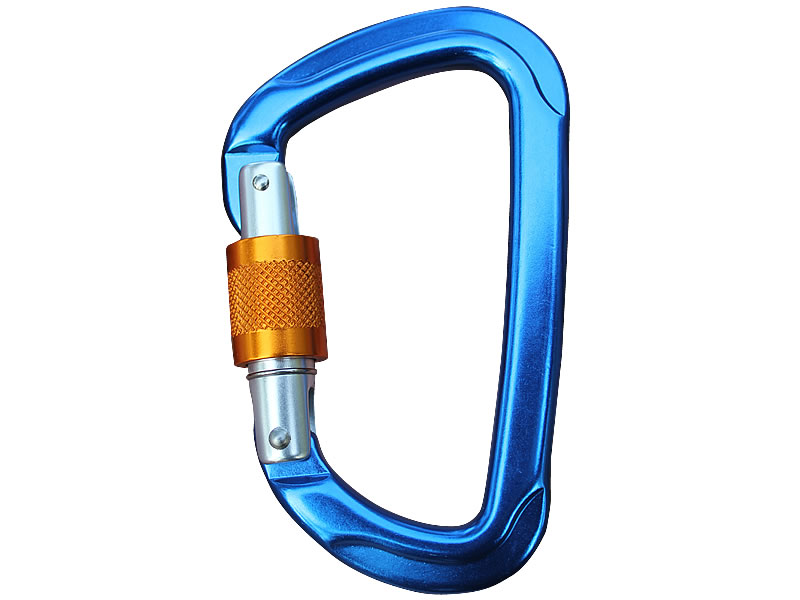
Critical Safety Disclaimer First: It is vital to understand that keychain carabiners are NOT rated for climbing, load-bearing, or life-support purposes. They are designed for light-duty organizational use only. Never trust a decorative or hardware-store carabiner with any safety-critical task.
1. Material: The Foundation of Durability
The material determines the carabiner's weight, strength, corrosion resistance, and aesthetic.
- Anodized Aluminum: The most common and affordable choice.Pros: Extremely lightweight, available in countless colors, and corrosion-resistant under normal conditions.Cons: Softer than steel, so the anodized coating will scratch and wear over time (showing a silver aluminum underneath). Not as strong as steel. Prone to bending or breaking if grossly overloaded.Best For: General key carrying, attaching lightweight pouches, and adding a pop of color to your bag.
- Stainless Steel: The standard for heavy-duty reliability.Pros: Exceptionally strong and durable. Highly resistant to rust and corrosion. Has a substantial, quality feel.Cons: Heavier than aluminum. Often more expensive. Less color variety (usually silver, black, or gunmetal).Best For: Users who carry heavy key sets, attach tools like multi-tools or flashlights, or work in harsh environments (e.g., mechanics, outdoor trades).
- Titanium: The premium, high-performance option.Pros: Offers a strength-to-weight ratio superior to steel—incredibly strong yet very light. Naturally corrosion-proof. Has a distinctive, sleek gray finish.Cons: Significantly more expensive than aluminum or steel.Best For: The minimalist EDC enthusiast seeking the ultimate in lightweight, durable, and premium gear.
2. Gate Mechanism: Security vs. Convenience
How the gate closes dictates how securely your items are held and how easy they are to access.
- Spring Gate (Non-Locking): The most common type.Pros: Easy to operate with one hand. Quick to clip and unclip.Cons: Items can potentially snag and push the gate open, leading to loss. Less secure for loose items in a bag or pocket.Best For: Securing items that are under tension (like keys on a belt loop) or for general organization where quick access is key.
- Screw Gate (Locking): Offers enhanced security.Pros: The threaded sleeve prevents the gate from opening accidentally. Provides peace of mind that items won't fall off.Cons: Requires two hands to open and close properly. Slightly slower to operate.Best For: Carrying valuable items, using in high-motion environments (e.g., hiking, running), or attaching gear to the outside of a backpack.
- Trigger Gate or Latch Mechanism: Often found on specialty or tactical carabiners.Pros: Can offer very secure, one-handed operation.Cons: Mechanisms can be more complex and prone to clogging with dirt.Best For: Specific use cases where the design aligns with a need, such as attaching gloves or a water bottle with a compatible loop.
3. Size, Shape, and Design Features
- Size: A larger gate opening makes it easier to clip onto thick loops or bag straps. A smaller, compact profile is less bulky in the pocket. Consider what you'll be attaching it to.
- Shape: Oval shapes are stable and good for holding multiple rings. D-shaped designs are stronger for their size. Asymmetric shapes can offer a wider gate mouth.
- Special Features: Look for integrated features like a bottle opener (a classic), a small wrench (on some tactical models), or a sewing kit compartment. Some have a non-snag keyring post to prevent keys from twisting.
Application-Based Recommendations
- The Everyday Minimalist: A small, anodized aluminum spring gate carabiner. It's light, colorful, and perfectly functional for a house key and a fob.
- The Urban Adventurer / Commuter: A medium-sized stainless steel screw gate. It securely holds office keys, a flash drive, and can reliably clip a mask or gloves to a bag. The lock prevents loss during your commute.
- The Outdoor Enthusiast / Tradesperson: A robust stainless steel or titanium carabiner with a secure locking gate. It can handle keys, a multi-tool, and dog leashes, and withstand exposure to dirt, moisture, and hard use.
- The Style-Conscious User: Focus on finish and color. Brushed titanium, black oxide-coated steel, or brightly colored anodized aluminum from brands like Nite Ize or Carabiner can be both functional and a fashion accessory.
Conclusion
Choosing the right keychain carabiner is about balancing material durability, gate security, and practical design for your specific daily rituals. By investing a few moments in this comparison, you can replace a flimsy, anonymous clip with a reliable EDC tool that not only keeps your essentials secure but also reflects your personal needs and style. Remember, the best carabiner is the one you'll use confidently every day.




