




Carabiner Multi-Tool Ideas: Building Your Ultimate Utility Hub
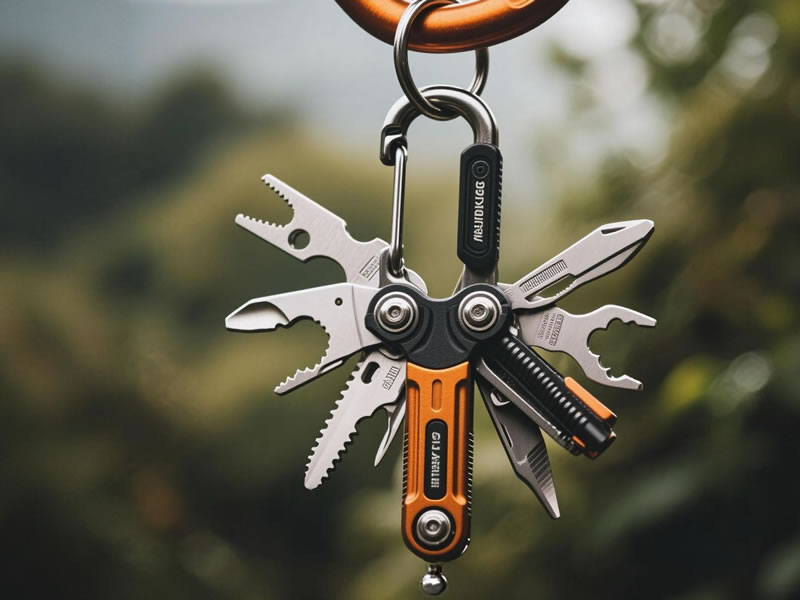
The humble carabiner is the perfect foundational platform for creating a custom, always-accessible multi-tool. By thoughtfully attaching or integrating tools, you transform a simple clip into a versatile problem-solving cluster that lives on your keys, backpack, or belt loop. This guide explores innovative ideas to build your own carabiner multi-tool, moving beyond basic organization to true functional utility.
The Philosophy: The Carabiner as a Platform
The core idea is to leverage the carabiner’s inherent strengths—its secure attachment point and always-carried nature—to serve as a central hub for miniature tools. The goal is to create a lightweight, cohesive kit for common daily challenges, from minor repairs to outdoor preparedness.
Part 1: Choosing the Foundation Carabiner
Your base carabiner must be robust enough to handle added items without becoming bulky.
- Size: A medium-sized carabiner (internal length 70-90mm) provides ample space for attachments without being pocket-unfriendly.
- Gate: A locking gate (screw or auto-lock) is highly recommended. It secures your entire tool collection and prevents accidental loss.
- Design: A solid-gate design often provides a more stable platform for integrated features than a thin wire gate. Look for models with a wide spine that can be wrapped or modified.
- Ideal Base: A carabiner like the Nite Ize DoohicKey Active Carabiner (which has a built-in tool) or a sturdy locking D from Black Diamond or Petzl serves as an excellent starting point.
Part 2: Multi-Tool Ideas & Attachments
Integrate functionality through attachment, modification, or selection of purpose-built models.
A. The Essential EDC (Everyday Carry) Cluster:
This is about solving common urban and domestic problems.
- Mini Pry Bar/Bottle Opener: A flat, key-shaped tool like the Gerber Shard or Nite Ize DoohicKey can be clipped on. It opens boxes, pries lids, drives screws, and opens bottles.
- Hex Wrenches/Bit Driver: Attach a mini hex key set (like those from Bondhus or Wera) on a ring. Some carabiners, like the Victorinox Carabiner, have bits integrated into the handle.
- Cutting Edge: Add a small, non-knife cutting tool. The Nite Ize Gear Tie with Cutter or a seatbelt cutter/glass breaker tool provides safety functionality without the legal complexities of a blade.
- Writing Instrument: A mini pen (like the Fisher Space Pen Bullet) can be secured with a small loop of shock cord to the spine.
B. The Outdoor/Adventure Ready Hub:
Geared for trailside fixes and camp tasks.
- Fire Starter: A ferrocerium rod can be strapped to the spine with heat-shrink tubing or cordage, with a striker attached separately.
- Navigation & Light: Clip on a compact button compass and a mini keychain flashlight (e.g., Olight i1R 3).
- Cordage & Tape: The carabiner spine itself can be wrapped with 3-5 feet of duct tape (sticky side in) or paracord. The paracord wrap also provides grip and emergency cordage.
- Fishing/Sewing Kit: A tiny waterproof capsule containing fishing line, hooks, and a needle can be attached for survival scenarios.
C. Purpose-Built & Integrated Multi-Tool Carabiners:
Some products are designed from the ground up as multi-tools.
- Nite Ize DoohicKey Active Carabiner: Features an integrated bottle opener, screwdrivers, and wrenches.
- Victorinox (Swiss Army) Carabiner: Some models combine a knife, scissors, and other tools with a functional carabiner.
- True Utility TelePen Carabiner: Incorporates a retractable ballpoint pen into its body.
- The "DIY Integration": For the crafty, a small hacksaw blade can be filed down and epoxied into a slot cut into a carabiner's spine (rendering it unsafe for climbing, but creating a unique tool).
Part 3: Principles of Effective Integration
Simply attaching everything creates a noisy, heavy mess. Follow these principles:
- Weight & Bulk Management: Your multi-tool should still be pocketable. Limit attachments to 3-5 core tools.
- Silence is Golden: Use heat-shrink tubing, rubber o-rings, or adhesive moleskin to prevent metal-on-metal clinking.
- Secure Attachment: All tools should be on their own small split rings, mini locking carabiners, or sealed loops of cord. Never rely on friction alone.
- Logical Grouping: Keep related tools together. Use color-coding (e.g., red rings for fire-starting gear).
Part 4: Safety and Limitations – A Critical Reminder
- NOT A CLIMBING CARABINER: Any modification (drilling, gluing, grinding) or significant attachment to a carabiner immediately disqualifies it for any life-support or climbing use. The structural integrity is compromised.
- Load Capacity: The added weight and leverage of multiple tools can stress the gate and spine during daily use. Choose a robust base carabiner.
- Tool Accessibility: Ensure the primary carabiner gate can still open easily and isn't obstructed by your attachments.
Conclusion: Your Personal Toolkit, Always at Hand
Building a carabiner multi-tool is an exercise in personalized preparedness. It encourages you to identify the small problems you encounter regularly and craft an elegant, always-with-you solution. Whether you assemble a minimalist urban EDC cluster on a sleek locking carabiner or create a paracord-wrapped survival hub for your hiking pack, the process turns a passive accessory into an active problem-solving partner. Start with one or two tools that would genuinely help you daily, and let your utility hub evolve organically. In the world of gear, the most powerful tool is often the one you designed for yourself.




