




Carabiners for Canyoneering: A Guide to Corrosion-Resistant Gear for Wet Environments
Canyoneering presents a unique and demanding set of challenges for gear, subjecting carabiners to constant moisture, abrasive silt, saltwater, and repeated submersion. The "right" carabiner for this discipline is defined not by ultimate climbing strength, but by corrosion resistance, ease of operation with cold, wet hands, and durability in gritty, aquatic environments. Choosing the wrong carabiner can lead to seized gates, accelerated wear, and compromised safety during complex rope maneuvers.
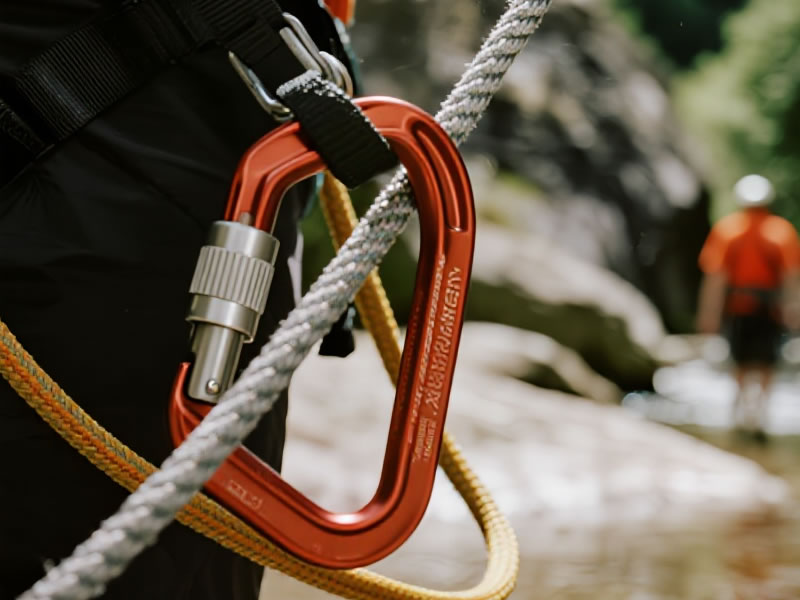
The Canyoneering Environment: Why Standard Gear Fails
- Constant Corrosion: Prolonged exposure to fresh and saltwater rapidly degrades standard aluminum carabiners. Pitting corrosion weakens the metal, and the internal spring can rust, causing gate failure.
- Sand and Silt Infiltration: Suspended sediment in canyon pools acts as a grinding paste. It can infiltrate gate mechanisms, leading to a gritty, slow action or complete jamming.
- Thermal Shock and Wear: Gear cycles between cold water and hot, dry air. Repeated impacts against wet rock during rappels and swims accelerate abrasion.
Critical Selection Criteria for Canyoneering Carabiners
1. Material: Stainless Steel is the Undisputed Standard
- Why: Stainless steel provides superior corrosion resistance and is largely immune to the pitting that destroys aluminum in canyons. It is a mandatory investment for safety.
- Note: If using aluminum carabiners for non-critical purposes, ensure they are thoroughly rinsed and dried after each trip. However, for all life-support connections (rappels, anchors), stainless is highly recommended.
2. Gate Type: Auto-Locking is Strongly Preferred
- Why: In cold, rushed, or chaotic situations (e.g., setting up a rappel in a waterfall spray), fumbling with a screw-gate is hazardous. Auto-locking carabiners (triple-action or magnetic) lock automatically upon closing, eliminating human error.
- Consideration: Ensure the auto-locking mechanism is known for reliability even when dirty. Models with a simple, robust action (like some magnetic or twist-lock designs) are excellent.
3. Size and Shape: Think Big and Smooth
- Large Size (HMS/Pear-shaped): Essential for your rappelling carabiner. It easily accommodates a rappel device, Munter hitch, or multiple ropes without cross-loading.
- Smooth, Rounded Nose: A keylock or snag-free nose is crucial. It prevents catching on ropes, harnesses, or wet suits during complex maneuvers.
Recommended Carabiner Kit for Canyoneering
- Primary Rappel/Belay Carabiner (x2): A large, stainless steel, auto-locking HMS carabiner. This is your workhorse for all descending and belaying.Examples: Petzl Am'D (Stainless), DMM Revolver (Stainless), or Kong Ocelot.
- Anchor Carabiners (x2-3): Stainless steel, auto-locking D-shapes. Used for building equalized anchors, attaching to bolts or natural features.Examples: Petzl Sm'D (Stainless), Black Diamond RockLock (Stainless version).
- Utility Carabiners (x4-6): Stainless steel, non-locking ovals or Ds. Lighter than lockers, used for rigging keeper slings, attaching packs, and general organization.Examples: Kong Ovals (Stainless), basic stainless steel Ds from climbing manufacturers.
The Aluminum Compromise & Hybrid Approach
For those on a budget or carrying a large rack, a hybrid approach is common but requires discipline:
- Use stainless steel for all critical, single-point connections (rappels, main anchor).
- Use anodized aluminum for extendable anchor arms and non-life-support organization.
- Always: Rinse aluminum gear meticulously in fresh water after use and inspect for white corrosion.
Maintenance & Safety Protocol for Canyon Carabiners
- Post-Trip Ritual: Rinse all carabiners (especially aluminum) in clean, fresh water. Work the gates to flush out silt. Dry thoroughly.
- Inspect Religiously: Before each trip, check for:Corrosion: Any pitting or rust, especially on springs and hinge points.Grit in the Gate: Ensure smooth, snappy action.Grooves: Deep wear from rope abrasion.
- Rappel Check: Before descending, perform a visual and tactile check: Harness buckled, rope ends treated, device threaded correctly, carabiner LOCKED.
Conclusion: Investing in Aquatic Reliability
Canyoneering carabiners are a specialized class of gear. By prioritizing stainless steel construction and auto-locking mechanisms, you invest in connectors that resist the canyon's corrosive embrace and operate reliably when you're cold, wet, and under pressure. This specialized selection, combined with diligent post-trip care, ensures that these critical links remain trustworthy through countless rappels, swims, and adventures in the world's most beautiful and demanding slots. In canyoneering, where water is both the sculptor and the hazard, your gear must be built to thrive in the flow.




