




Carabiners for Gym Bags and Fitness Gear: The Ultimate Organizer for Your Active Life
In the world of fitness and active lifestyles, efficiency is key. Between water bottles, gloves, straps, keys, and towels, keeping track of your gear can be a workout in itself. Enter the humble carabiner: a simple, transformative tool that turns any gym bag or piece of fitness equipment into a streamlined, organized system. Moving beyond its climbing origins, the carabiner has become an essential piece of kit for anyone looking to simplify their routine and keep essentials secure and accessible.
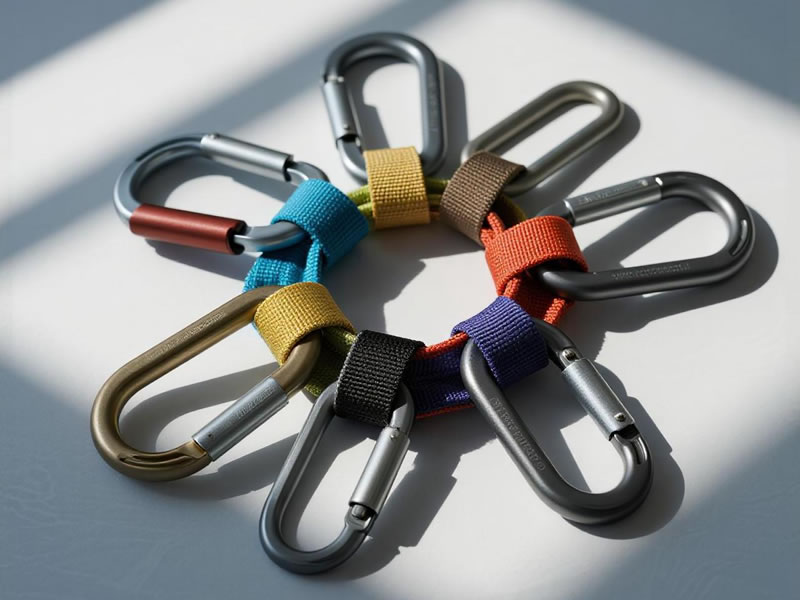
The Organizational Philosophy: Accessibility Meets Security
The core value of a gym carabiner lies in its dual function: to secure items against loss while keeping them instantly available. It solves common frustrations:
- The "Black Hole" Gym Bag: No more digging for keys or a locker coin at the bottom of your bag.
- The Forgotten Bottle: A carabiner-clipped water bottle on the outside of your bag is a visual reminder to hydrate.
- The Scattered Accessories: Resistance bands, lifting straps, and grips can be bundled together.
Choosing the Right Carabiner for Your Fitness Needs
Not all carabiners are created equal for gym use. The ideal model prioritizes light weight, smooth operation, and snag-free design.
1. Size & Weight:
- Small to Medium (40-70mm internal length): Perfect for most tasks. Large climbing carabiners are overkill and cumbersome.
- Lightweight Aluminum: The only choice. Avoid heavy steel.
2. Gate Type:
- Non-Locking Wire or Solid Gate: The workhorse for 95% of gym applications. Allows for quick, one-handed clipping. A wire gate is often lighter.
- Mini Locking Carabiner (Screw or Auto-Lock): Reserved for your most critical items—car keys, house keys, or a fitness tracker. This adds a vital layer of security against accidental detachment in a crowded gym or during transport.
3. Critical Design Feature: The Keylock Nose
- A snag-free or keylock nose is essential. It prevents the carabiner from hooking onto the lining of your bag, your clothing, or other gear—a common annoyance with traditional notch-style carabiners.
Practical Applications: From the Weight Room to the Track
- Gym Bag Exterior:Water Bottle: Clip it to a side or top loop for easy access and to free up interior space.Yoga Mat or Towel: Use a larger carabiner to secure a rolled mat to your bag's carry straps.Wet Gear: Hang sweaty gloves or a damp towel outside your bag to air dry.
- Gym Bag Interior Organization:"Essentials Cluster": Use a small carabiner as an internal keyring. Clip together your lock, membership card, headphones case, and any small tools. Attach this cluster to an internal loop so it never gets buried.Accessory Management: Keep all your lifting accessories—wrist wraps, lifting straps, chalk bag—clipped together.
- During Your Workout:For Runners/Cyclists: Clip your house key to a belt loop or running vest.For Outdoor Fitness: Attach a mini carabiner to a TRX system or gymnastics rings bag for easy transport.For CrossFit/Functional Fitness: Quickly clip your lifters or knee sleeves to your bag when not in use.
Recommended Types: A Tiered Approach
- The Everyday Value King: Nite Ize S-Biner. The dual-gate design is revolutionary for gym use. Use one gate for your keys and the other for your locker lock or bottle. The locking S-Biner models add perfect security for keys.
- The Premium, Durable Pick: Black Diamond MiniWire or Petzl Ange S. These are climbing-grade carabiners in a tiny, ultra-light package. You buy them once for a lifetime of flawless, smooth operation. They lack the dual-gate feature but excel in single-item reliability.
- The Simple, Affordable Workhorse: Any basic, anodized aluminum carabiner from a hardware or outdoor store with a keylock nose will serve well.
Safety and Practical Considerations: The "What Not to Do"
This is the most important section. The gym is not the crag.
- NEVER USE FOR EXERCISE OR WEIGHT BEARING: This is the cardinal rule. Do not use a carabiner to connect to weight machines, cable systems, or as part of any exercise apparatus. They are not designed for the dynamic, repetitive loads of fitness equipment and can fail catastrophically. Use only manufacturer-provided pins and attachments.
- Mind the Load: Don't hang excessive weight from a single bag loop, as it may tear the fabric.
- Inspect Occasionally: Check for gate spring fatigue or cracks if used daily. A carabiner failing means lost keys, not a safety incident, but it's still an inconvenience.
Maintenance and Longevity
Gym carabiners live in a harsh environment of sweat, moisture, and constant use.
- Wipe Down: Occasionally wipe with a damp cloth to remove sweat and chalk.
- Check the Action: Ensure the gate opens and closes smoothly. If it gets gritty from chalk dust, rinse it in warm water and dry thoroughly.
- Retire if Damaged: If the gate becomes loose, bent, or doesn't close fully, replace it. They are inexpensive tools for a valuable job.
Conclusion: A Small Upgrade for Major Convenience
Incorporating a few well-chosen carabiners into your fitness regimen is a classic example of a low-cost, high-impact upgrade. It introduces a system of order and accessibility to the often-chaotic world of gym gear. By selecting the right type—opting for a versatile dual-gate model like the Nite Ize S-Biner or a supremely reliable mini wire-gate—you invest in a tool that pays dividends every time you head to the gym, the track, or the park. It’s a simple promise: less time searching, more time moving. In the pursuit of fitness, where every advantage counts, smart organization might just be your simplest and most effective rep.




