




How to Connect Two Carabiners Together Safely
Connecting two carabiners is a fundamental technique in climbing, rigging, and rescue. Done incorrectly, it creates the weakest link in your safety system. This guide details the principles and methods for secure connections, focusing on the "why" behind each rule to ensure your practice is both safe and informed.
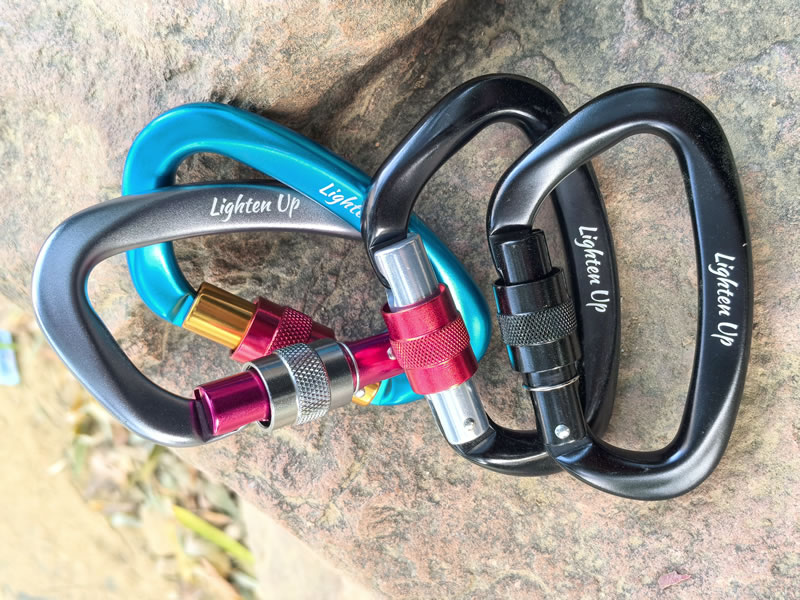
The Core Principle: Mitigating Gate Failure
A carabiner is strongest along its major axis (the spine). Its primary vulnerability is the gate. The goal of any multi-carabiner connection is to prevent the accidental, simultaneous opening of both gates, which would cause complete failure. All safe methods are designed around this principle.
Approved Safe Methods
1. The "Opposed and Reversed" (Double-Carabiners) Method
This is the gold standard for directly connecting two locking carabiners.
- How: Connect the two carabiners so that their gates are on opposite sides and their bodies are reversed (one upright, one inverted). Most critically, the gates must open in opposite directions.
- Why it Works: This configuration ensures that a force or object cannot twist and unscrew both gates simultaneously. Even if one gate were to vibrate open, the other remains locked and opposed, maintaining the connection.
2. Connection via a Sling or Loop (The Preferred Method)
Instead of clipping carabiners directly together, connect them indirectly through a sewn nylon sling, dyneema dogbone, or a tied rope loop.
- How: Each carabiner clips into the sling, with the sling acting as the central connector.
- Why it Works: This eliminates metal-on-metal contact that can cause wear, cross-loading, or gate manipulation. It also allows for better load distribution and system flexibility. The carabiners are isolated and less likely to interfere with each other's gates.
3. Using a Master Point or Rigging Plate
For complex setups involving multiple carabiners (e.g., at a climbing anchor), use a dedicated piece of gear.
- How: All carabiners are clipped independently into a single, reinforced master point on a sling or a rigging plate.
- Why it Works: This keeps carabiners organized, prevents them from loading each other's gates, and ensures load sharing is controlled and symmetrical.
Dangerous & Prohibited Connections
Understanding what NOT to do is equally crucial:
- The "Quick-Link" or "Gated Connection": Never simply clip one carabiner's gate directly into the body of another. This places side-load pressure on the first carabiner and can easily force the gate open through lever action.
- Same-Side Gates: Connecting two carabiners with gates on the same side and opening the same direction invites a single twist to open both.
- Creating a "Franken-Draw": Connecting multiple non-locking carabiners in series is extremely unsafe, as gates can be easily bumped open against rock or gear.
Key Factors for Safe Practice
- Always Use Locking Carabiners: For any critical, semi-permanent, or loaded connection, screwgate, twist-lock, or auto-locking carabiners are mandatory. Never rely on non-locking snap-gates for linked connections under load.
- Check for Cross-Loading: After connection, ensure both carabiners are loaded along their major axis, not across the weaker minor axis. A sling can help align the load correctly.
- Mind the "Nose": Be aware of the carabiner nose. In opposed configurations, ensure the noses aren't dangerously pressing against the other carabiner's gate.
- Inspect for Damage: Metal-on-metal contact, even when done correctly, can cause wear over time. Regularly inspect the carabiners for grooves, burrs, or sharp edges.
When is Connecting Carabiners Necessary?
Common valid applications include:
- Extending a Belay Device: Using two opposed lockers to create distance from your harness for better rope handling.
- Anchoring Systems: Creating a master point in a multi-directional anchor.
- Equipment Extension: Lengthening a connection point to avoid rope drag or to reach a distant anchor.
Final Verdict
While connecting two carabiners can be done safely using the "opposed and reversed" method, the safest general practice is to use a sling or loop as an intermediary. This method is more robust, reduces risk, and is easier to visually inspect. Before loading any system, perform a final check: Are both gates locked? Are they opposed? Is the load aligned correctly? In climbing and rigging, your safety depends on the integrity of these fundamental connections.




