




Carabiner Knot Alternatives: Essential Skills for When Hardware Isn't an Option
In climbing, rescue, and outdoor rigging, the carabiner is a marvel of modern engineering—strong, quick to use, and reliable. However, a foundational knowledge of key knots serves as the ultimate backup system. Whether you’ve forgotten your gear, need to minimize weight, or face an unexpected emergency, knowing robust carabiner knot alternatives is a critical skill that can solve problems and save the day. This guide explores the primary knots that can securely connect ropes, slings, and anchors in place of a metal link.
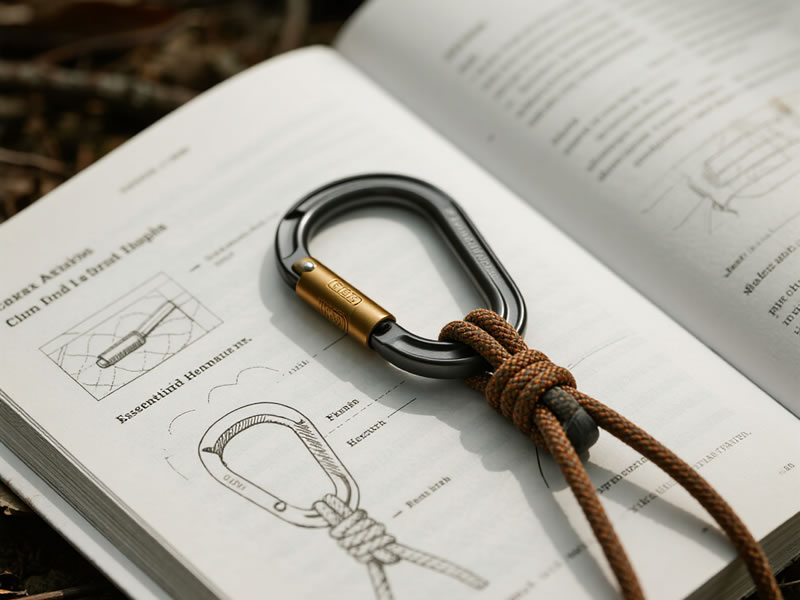
The Core Principle: Understanding the Knot's Role
When substituting a knot for a carabiner, you must first identify the carabiner's function in your system. Was it a connector (joining two slings)? An anchor point (attaching a rope to a tree)? A pivot point (for a pulley)? Your choice of knot depends entirely on this intended role, with a constant focus on security, strength, and ease of untying after loading.
Primary Alternatives for Critical Connections
Here are the most trusted and versatile knots to know, categorized by their primary use.
1. The Bowline: The King of Fixed Loops
- Best For: Creating a secure, non-slipping loop to attach a rope directly to a tree, post, or your harness tie-in point—essentially replacing a carabiner used for anchoring.
- Why it Works: It forms a very strong loop that is easy to untie even after being subjected to a heavy load. It is the classic knot for creating an "end loop."
- Key Consideration: A "Yosemite Finish" or a backup stopper knot is often recommended to secure the tail and prevent any chance of the bowline capsizing if not continuously loaded.
2. The Figure-Eight Follow-Through: The Gold Standard
- Best For: Directly tying a rope to a harness or an anchor ring, perfectly replacing the need for a carabiner in your personal safety tether or anchor connection.
- Why it Works: This knot is incredibly strong, easy to visually inspect (the symmetrical "figure-eight" pattern is clear), and is the industry standard for climbers tying in. It is more secure in varied loading than a standard bowline.
- Key Consideration: It consumes more rope than a bowline and can be harder to untie after severe loading.
3. The Girth Hitch (aka Strap Hitch): The Quick Connector
- Best For: Quickly attaching a sling or runner to an object (like a tree, a rock horn, or even your harness) to create an anchor point, mimicking the function of a carabiner clipped through a sling.
- Why it Works: It's fast, simple, and uses the sling's own material. It's excellent for creating expedient anchors.
- Key Consideration: It significantly reduces the strength of the sling—by up to 50% depending on the material. Never use it in a high-load or high-criticality situation unless necessary, and always with awareness of this strength penalty.
4. The Clove Hitch: The Adjustable Anchor
- Best For: Attaching a rope securely and adjustably to a carabiner substitute (like a pole or a standing spar) or for building adjustable anchors in a master point. It’s fantastic for tensioning and quick adjustments.
- Why it Works: It can be tied and adjusted with one hand, and it holds well under constant tension.
- Key Consideration: It can loosen or spill if the tension is released or if the load moves side-to-side. It must be kept under load and should be backed up with a stopper knot in critical applications.
Knots for Joining Ropes & Creating Middle Loops
- Double Fisherman's Bend: The only knot recommended for joining two ropes of similar diameter for critical loads (like rappel ropes). It is secure and trim but very difficult to untie after loading.
- Alpine Butterfly Knot: Creates a secure, load-bearing loop in the middle of a rope. This is an excellent alternative to clipping a carabiner into a rope midpoint for creating a redundant anchor point or isolating a damaged rope section.
Critical Safety Philosophy and Limitations
- No Metal-to-Metal Contact: Knots eliminate the wear, gate failure, and cross-loading risks associated with carabiners.
- Strength Retention: A properly tied knot in good rope retains a high percentage of the rope's strength. However, a poorly tied, "dressed" (not tightened neatly), or backed-up knot is a major hazard.
- The Ultimate Trade-off: The primary trade-off is convenience and speed. Tying and untying knots takes longer than clipping and unclipping a carabiner, especially with cold hands or under stress.
- Inspection is Key: A knot must be visually inspected every time. The symmetrical patterns of knots like the Figure-Eight make this easier.
When to Choose a Knot Over a Carabiner
- Emergency Situations: Gear loss or failure.
- Weight-Critical Missions: Fast-and-light alpine ascents where every gram counts.
- Extended Load Times: When a connection will be under tension for a very long time, a knot avoids the risk of a carabiner gate being accidentally opened.
- To Prevent Gear "Walk-Off": A knot directly on an anchor is less likely to be unclipped accidentally than a carabiner.
Conclusion: The Mark of a Competent Outdoors Person
While carabiners are indispensable tools, the ability to seamlessly switch to reliable knot alternatives demonstrates true depth of knowledge and preparedness. Mastering the Bowline, Figure-Eight Follow-Through, Girth Hitch, and Clove Hitch provides a formidable toolkit for most situations. Practice these knots until you can tie them perfectly with your eyes closed, in the dark, and with cold hands. Your most important safety system is not the gear in your pack, but the knowledge and muscle memory in your mind and hands.




