




How Often Should You Replace Climbing Carabiners?
For climbers, few pieces of gear are as fundamental and trusted as the carabiner. It is the literal link between you and safety. A common question, especially among newer climbers, is: "How often should I replace my climbing carabiners?" The answer is not defined by a simple timeline of months or years. There is no universal expiration date. Instead, the replacement of carabiners is governed by a combination of manufacturer guidelines, rigorous inspection, and an understanding of their use and history.
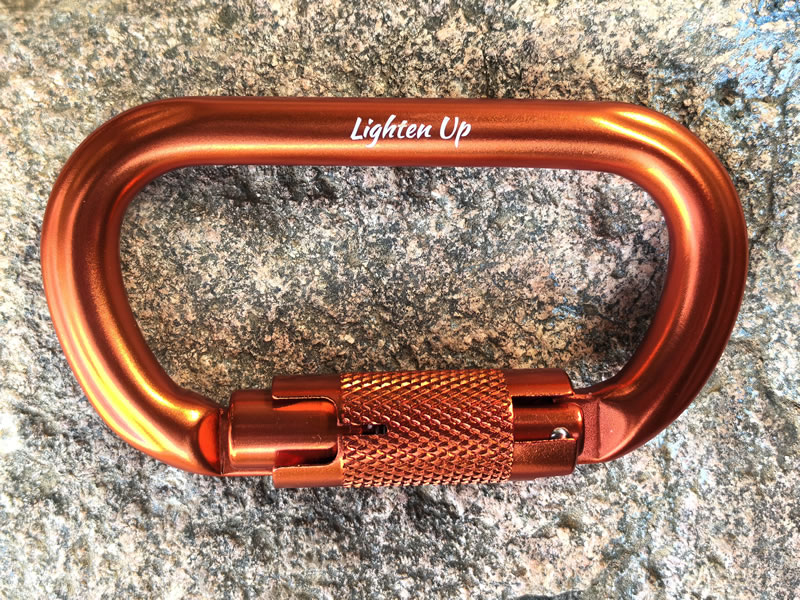
The Manufacturer's Baseline
First, consult any instructions from the manufacturer. Most reputable brands design their aluminum and steel carabiners to last for a decade or more under normal use. However, this lifespan assumes proper care, regular inspection, and the absence of major damage. The 10-year guideline often cited is not a guarantee but a conservative benchmark for when a meticulous, professional inspection is advisable, even for gear that looks fine.
The Real Rule: Inspection Over Interval
Your primary tool for determining a carabiner's retirement is not a calendar, but your own eyes and senses. Before and after every climbing session, perform a thorough check:
- Visual Inspection: Look for any visible cracks, deep gouges, or sharp edges. Pay close attention to the spine (the load-bearing side) and the nose.
- Gate Inspection: The gate must open and close smoothly and snap shut with authority. Check for any play, wobble, or grinding. For locking carabiners, ensure the locking mechanism (screw, twist, or auto) functions perfectly without cross-threading.
- Tactile Inspection: Run your fingers along the surface. Catch on any tiny nick or groove? A significant groove can act as a stress riser, compromising strength.
Clear Indicators for Immediate Replacement
Replace a carabiner immediately if you observe any of these red flags:
- Any crack or deep puncture: No matter how small.
- Significant wear grooves: Especially on the rope-bearing side or spine.
- Gate malfunction: Stickiness, failure to lock, excessive play, or a gate that does not fully close.
- Major impact: Any carabiner that has sustained a heavy, direct impact (e.g., being struck by rockfall) should be retired.
- A severe fall: While carabiners are designed to withstand UIAA-standard falls, a carabiner that has held an extreme fall, especially one involving high force or a hard catch, deserves scrutiny and likely retirement.
- Corrosion or chemical exposure: While aluminum carabiners oxidize harmlessly, pitting corrosion is dangerous. Exposure to unknown chemicals can also weaken metal.
The Culture of Conservative Safety
In climbing, a conservative approach saves lives. When in doubt, throw it out. The cost of a new carabiner is insignificant compared to the risk of failure. Factors that accelerate wear include frequent use on abrasive surfaces (like sandstone), extensive top-rope setups with constant rope drag, or use in climbing gyms with repeated falls on the same anchor.
Ultimately, your carabiners' lifespan is in your hands. By making meticulous, pre-climb inspections a non-negotiable ritual and erring on the side of caution, you ensure that this critical link remains the strongest part of your safety chain.




