




Can Carabiners Freeze Shut in Cold Weather?
Yes, carabiners can absolutely freeze shut in cold winter conditions, presenting a genuine and potentially serious safety concern for ice climbers, alpinists, and winter adventurers. This issue is not a myth; it is a mechanical reality rooted in basic physics. Understanding why it happens, which types are most susceptible, and how to prevent and manage it is crucial for safe cold-weather operations.
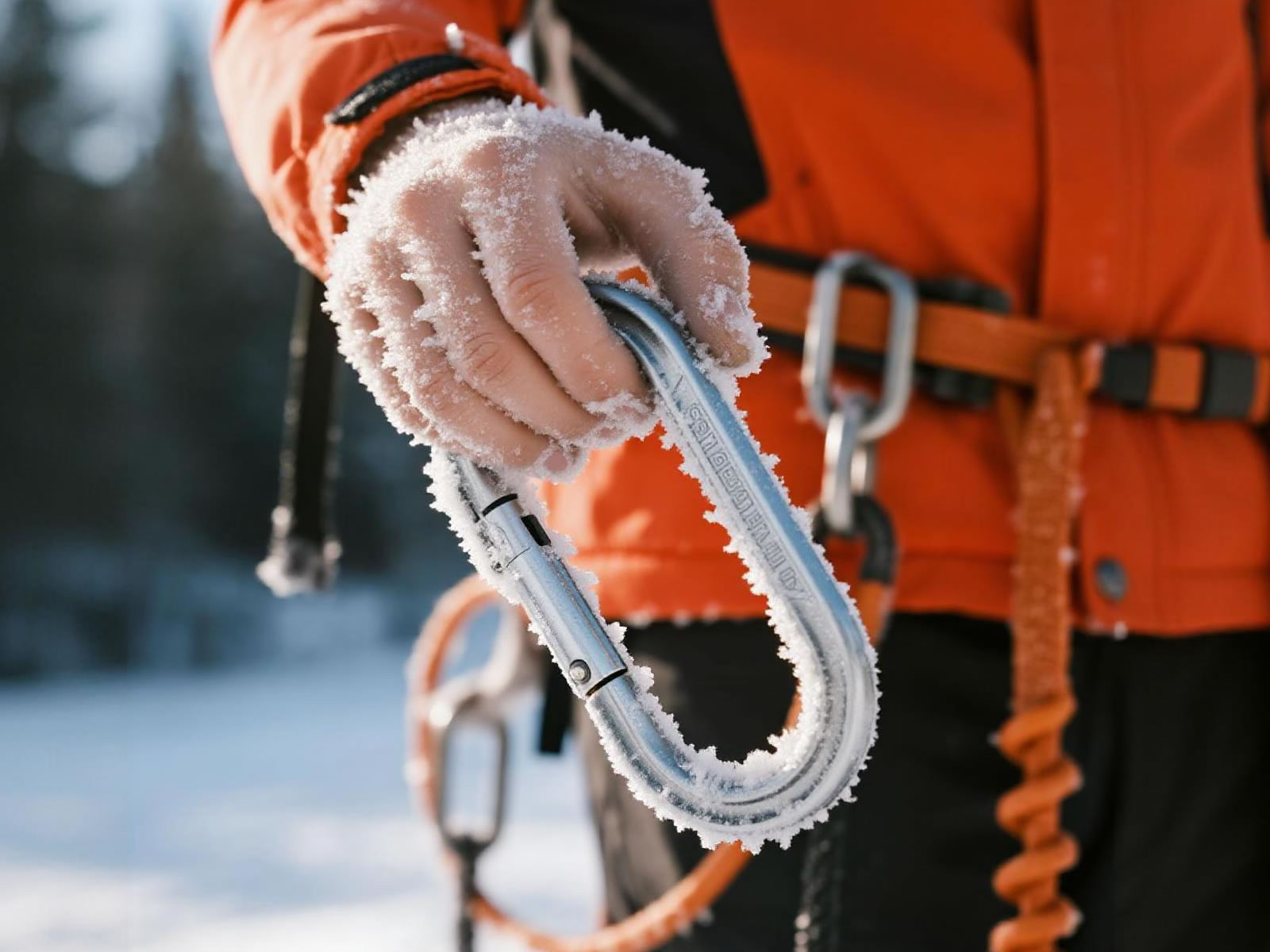
The Science Behind the Freeze
The primary culprit is moisture ingress followed by a drop in temperature. Moisture can come from direct precipitation (snow, freezing rain), ambient humidity, or even from your own breath and touch. This water seeps into the tiny spaces within the carabiner's moving parts:
- The Gate Pivot: The spring-loaded hinge is a critical point where a small amount of water can freeze, binding the gate in the open or, more dangerously, in a falsely closed position.
- The Locking Sleeve: On screw-gate and many auto-locking carabiners, water can infiltrate the threaded sleeve or the collar mechanism. When it freezes, it can completely lock the mechanism, making it impossible to screw open or engage the lock.
- The Gate Opening Itself: A layer of ice can form directly on the nose and inside the gate, physically sealing it shut.
Comparing Carabiner Types in Cold Weather
Not all carabiners are equally vulnerable:
- Screw-Gate Carabiners: These are the most prone to freezing. The fine threads of the locking sleeve offer an ideal place for ice to form and bind. A frozen screw gate can become completely inoperable.
- Auto-Locking Carabiners (Twist-Lock, Triple-Action): Generally more reliable, but not immune. Ice can still jam the internal mechanism that allows the sleeve to move. However, their design often has slightly better drainage.
- Non-Locking Carabiners: While they have no mechanism to freeze shut, they can freeze open, which is equally hazardous as it leaves the gate prone to accidental opening. Ice can also prevent the gate from closing fully.
Prevention: The Key to Safe Winter Use
Proactive measures are far more effective than reactive solutions:
- Keep Them Dry: Before storing, wipe carabiners down. In the field, keep them under your shell layer when not in active use to shield them from precipitation and condensed breath.
- Strategic Storage: Overnight, store carabiners and all metal gear in a sealed, insulated bag inside your sleeping bag. This keeps them warm and dry.
- Choose Wisely: For critical, high-exposure placements, many seasoned winter climbers prefer auto-locking carabiners due to their fewer freeze-prone threads. Some even opt for simple, robust snap-gates for non-critical applications where freezing open is less consequential than a locked-up screw gate.
- Avoid Lubricants: Do not apply standard oils or WD-40, as they can attract dirt and gum up. Use only dry, cold-weather specific lubricants approved by the manufacturer, if any.
Emergency Response: If Your Carabiner Freezes
If a critical carabiner freezes:
- Do Not Force It: Applying excessive torque can damage the mechanism.
- Apply Gentle Heat: Place the carabiner against your skin under layers, or carefully use a hand warmer. Never apply direct flame from a lighter.
- Tap Gently: Sometimes, a light tap with a tool can fracture thin ice within the mechanism.
- Have Redundancy: This is the most important rule. Always build systems with redundancy so that no single frozen piece of gear compromises safety.
In conclusion, carabiners freezing is a real risk that demands respect and preparation. By selecting appropriate gear, practicing vigilant moisture management, and employing redundant systems, you can mitigate this winter hazard and ensure your connections remain secure and functional in the coldest environments.




