




Carabiner Price Range for Different Uses
Navigating the world of carabiners can be confusing due to the vast price disparities. A single item might cost $2 or $30, and the key to understanding this lies in its intended use and the engineering standards behind it. This guide breaks down the price ranges for different applications, helping you invest wisely and, most importantly, safely.
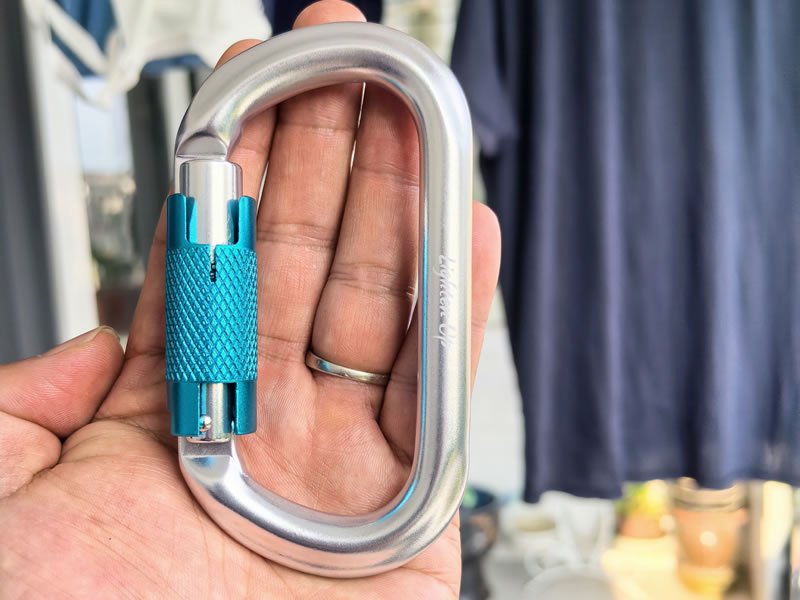
1. Everyday & Utility Carabiners ($2 - $10 each)
- Use Case: Organizing keys, attaching gear to backpacks, DIY projects, trade show giveaways, lightweight tool organization.
- Key Characteristics: Made from basic aluminum, steel, or plastic. Often sold in multipacks. May have a simple load rating (e.g., 10-50 lbs) but lack any UIAA/CE climbing certification.
- Brand Examples: Nite Ize (S-biners), Heroclip, generic hardware brands.
- Purchasing Note: Perfectly safe and cost-effective for their intended non-life-support purposes. Never use these for climbing, even if they "look" strong.
2. Entry-Level Climbing Carabiners ($8 - $15 each)
- Use Case: Beginner climbers, gym use, building a first trad rack, supplemental racking biners, or for applications where weight is not a primary concern (e.g., static anchor components).
- Key Characteristics: UIAA/CE certified for life support. Focus is on durability and value over lightweight design. They are often slightly heavier and feature simpler, proven gate mechanisms.
- Brand Examples: Metolius (Bravo, Project series) is the benchmark here. Some basic models from Black Diamond or Camp also fall into this range, especially on sale or in multipacks.
- Value Proposition: Offers the essential safety certification at the lowest possible entry point for climbing.
3. Mid-Range / Performance Climbing Carabiners ($12 - $20 each)
- Use Case: The sweet spot for most recreational sport and trad climbers. Used for primary quickdraws, active racking, and all-around performance.
- Key Characteristics: Certified, with refined features like keylock noses (to prevent snagging), optimized shapes for better handling, and a better strength-to-weight ratio than entry-level gear. Innovations like Black Diamond's HoodWire appear here.
- Brand Examples: Black Diamond HotWire, DMM Shadow, Camp Photron, Edelrid Slider.
- Value Proposition: Pays for enhanced functionality, smoother clipping, and reduced weight that directly improves the climbing experience. This is where price meets performance for the majority of dedicated climbers.
4. Premium & Ultra-Lightweight Carabiners ($18 - $30+ each)
- Use Case: Alpine climbing, big-wall ascents, competition climbing, or for any climber who prioritizes minimizing gear weight.
- Key Characteristics: Certified, employing advanced materials and proprietary technologies to shave off every possible gram while maintaining strength. Examples include Petzl's Sm’D wire (Spirit, Ange) or specialty designs like the DMM Alpha Sport.
- Brand Examples: Petzl Spirit/Ange, Black Diamond Ultralight, certain DMM models.
- Value Proposition: You are paying for advanced engineering and materials science. The price per gram saved is high, but the cumulative weight savings on a full rack is significant for target disciplines.
5. Locking Carabiners ($15 - $35+ each)
- Use Case: Belaying, building anchors, securing critical connections, and any scenario where a screwgate or auto-locking mechanism is required for safety.
- Price Factors: Price varies with size (oval vs. D-shaped), material, locking mechanism (simple screwgate vs. auto-locking like a Petzl Ball-Lock or TriAct), and weight. A basic HMS screwgate starts around $15, while a complex, lightweight auto-locker can exceed $30.
- Brand Examples: All major climbing brands offer a range.
6. Specialized & Industrial Carabiners ($25 - $100+)
- Use Case: Technical rescue, rope access (SPRAT/IRATA), arborist work, or heavy-duty rigging.
- Key Characteristics: May have additional certifications (e.g., NFPA for rescue). Often larger, with high-strength steel alloys, and complex locking mechanisms designed for gloved hands and harsh environments.
- Brand Examples: Petzl (William, Am'D), Kong, Rock Exotica.
- Note: These are highly specialized tools for professionals.
Critical Considerations Before Buying
- Certification is King: For any vertical activity, the UIAA or CE EN 12275 mark is non-negotiable. This is more important than brand or price.
- Weight vs. Cost: Evaluate if the premium for lightweight gear is justified for your climbing style. A weekend cragger may not need the lightest gear.
- Bulk Buying Strategy: The most economical way to buy climbing carabiners is in certified multipacks from reputable brands (e.g., a 6-pack of wire gates). Avoid uncertified bulk lots.
- Hybrid Rack Approach: Many climbers mix tiers, using premium carabiners for active quickdraws and value biners for static racking or anchors.
Conclusion
The carabiner's price is a direct reflection of its intended use, material sophistication, and safety certification. A $5 carabiner has its place—on your keychain. A $15 carabiner is the reliable workhorse for most climbs. A $25 carabiner is a precision tool for the weight-conscious adventurer. By matching the price and specification to your specific need, you ensure both safety and value, whether you're hanging a plant or hanging off a cliff. Always invest in certified gear for life support, and let your specific application guide your budget.




