




Carabiner and Lanyard Combo Sets: A Complete Guide to Integrated Tethering Solutions
Carabiner and lanyard combo sets represent the synergy of connection and tethering, creating a ready-to-deploy system for securing, organizing, and accessing gear. These pre-assembled or thoughtfully paired sets are designed for specific applications, from industrial safety and climbing to everyday carry and promotional use. Understanding the components and their intended purpose is crucial for selecting a set that is both effective and safe.
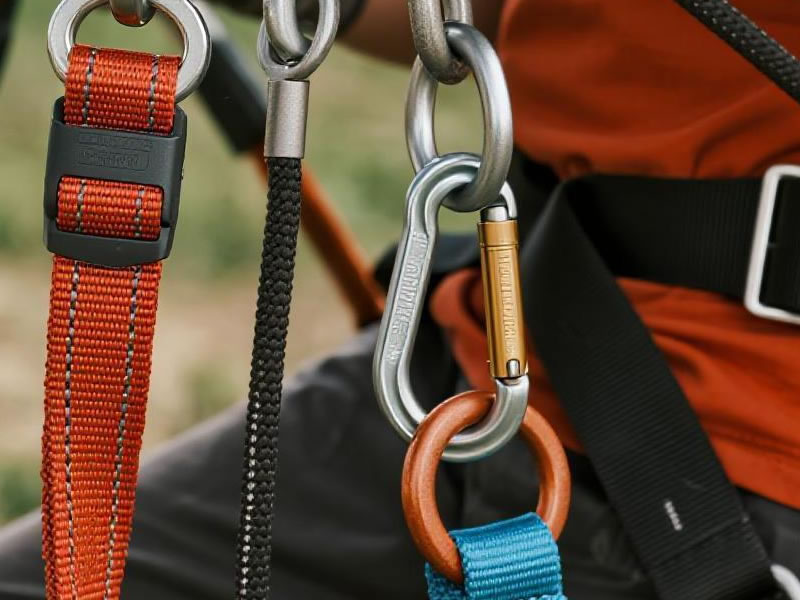
Core Components of a Combo Set
- The Carabiner: The connection point. Its type dictates the set's primary use.
- The Lanyard: The tether. Its material, length, and attachment method define its strength and flexibility.
- The Interface: How the two connect—often via a sewn loop, a plastic breakaway safety connector, or a knot.
Primary Application Categories and Recommended Set Features
1. Fall Arrest, Positioning, & Industrial Safety (The Most Critical Category)
This is life-support equipment with zero room for error.
- Carabiner: Must be a large, auto-locking or double-action locking carabiner (e.g., screwgate, twist-lock, ball-lock) that is CE/EN certified for fall arrest (standards like EN 362). It will often be steel.
- Lanyard: Typically a shock-absorbing lanyard made of heavyweight nylon or Dyneema with a rated energy absorber. Length and type (Y-lanyard, single) are job-specific.
- Key Consideration: These sets are governed by strict occupational safety regulations (OSHA, etc.). They must be purchased from specialized safety equipment distributors, used only after certified training, and inspected before every use.
2. Tool Tethering & Anti-Drop (Construction, Telecom, Wind Energy)
Prevents costly and dangerous tool drops from height.
- Carabiner: Often a medium-sized screwgate or auto-locking carabiner for security. May feature a tool-specific design for easy clipping.
- Lanyard: Made of cut-resistant material (like Dyneema) with a swivel to prevent tangling and a secure tool-end attachment (coiled designs are common).
- Key Consideration: The lanyard's working load limit (WLL) must exceed the tool's weight. The carabiner should securely fit both the worker's harness and the tool's attachment point.
3. Everyday Carry & Organization (Keys, IDs, Small Tools)
Focuses on convenience, accessibility, and personal style.
- Carabiner: Often a small to medium aluminum carabiner (wire gate or locking S-biner). Designs range from sleek titanium to colorful anodized aluminum.
- Lanyard: Materials include paracord, nylon webbing, leather, or retractable reels. Lengths are short (6-24 inches).
- Key Consideration: Breakaway safety is paramount for neck lanyards to prevent strangulation hazards. For keychains, a secure locking gate prevents loss.
4. Professional & Tactical (Military, First Responders, Guides)
Balances durability, quick access, and low-profile utility.
- Carabiner: A robust, often locking aluminum or steel carabiner in neutral colors.
- Lanyard: Heavy-duty nylon or tubular webbing, often with a cobra or sinnet knot pattern for grip and durability. May include a dummy cord attachment to a uniform.
- Key Consideration: Designed for harsh environments and rapid deployment. The lanyard is often “soldier-tough” and abrasion-resistant.
How to Choose the Right Combo Set: A Decision Framework
- Define the Primary Risk:Is it falling? → Category 1 (Certified Fall Arrest).Is it dropping an object? → Category 2 (Tool Tethering).Is it losing or misplacing an item? → Category 3 or 4 (EDC/Organization).
- Assess the Load & Forces:Static Weight: The weight of the object being tethered (e.g., a tool, an ID badge).Dynamic Forces: Potential for shock loading (e.g., a dropped tool being caught by the lanyard). This requires a much higher safety margin.
- Examine the Environment:Abrasion: Will it rub against rough surfaces? Choose cut-resistant lanyards and hard-anodized carabiners.Corrosion: Saltwater or chemicals? Choose stainless steel carabiners and synthetic lanyards.Temperature: Extreme heat can weaken some nylon fibers; cold can make some materials brittle.
- Verify Certifications & Ratings: For any safety-critical application (Categories 1 & 2), the entire system (carabiner, lanyard, and their connection) must have a clear, traceable certification and a stated Working Load Limit (WLL) or Minimum Breaking Strength (MBS).
Where to Buy
- Safety & Industrial Sets: Specialized safety equipment suppliers (e.g., FallTech, MSA Safety, Petzl Professional).
- Tool Tethering Sets: Industrial supply companies or dedicated tool tethering brands.
- EDC & Promotional Sets: Outdoor retailers, EDC specialty stores, Etsy (for custom paracord work), or promotional product companies.
Conclusion: A System, Not Just an Accessory
A carabiner and lanyard combo set is a unified tool. Its value lies in the correct matching of components for a specific task. The most common and dangerous mistake is using a lightweight, non-rated EDC set for a task that requires industrial safety-rated gear.
Whether your goal is to comply with OSHA regulations on a wind turbine, prevent your $500 multimeter from plunging 100 feet, or simply keep your office keycard handy, there is a purpose-built combo set designed for the job. By carefully analyzing the risk, load, and environment, you can select a set that provides not just convenience, but assured security and professional-grade reliability. Always prioritize certified systems for safety applications and remember: the weakest point in the system determines its overall strength.




