




Carabiners for Attaching Gear to a Kayak's Deck Lines
The network of deck lines and bungee cord on a kayak is designed for secure, modular gear attachment. While simple knots and straps are often used, incorporating carabiners can dramatically speed up access and organization. However, the marine environment is one of the harshest on gear, demanding specific materials and designs. Choosing the wrong carabiner can lead to corrosion-induced failure, lost equipment, or damage to your kayak and gear.
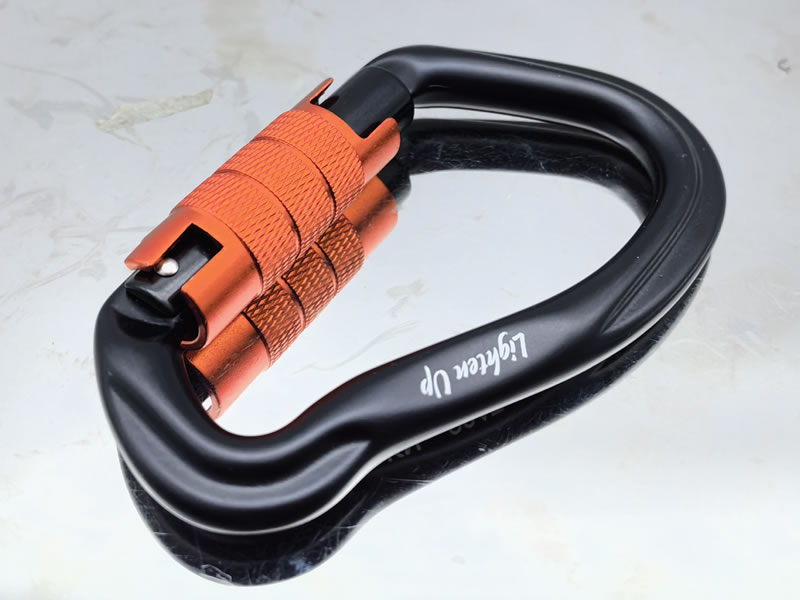
The Marine Environment: A Triple Threat
- Constant Corrosion: Saltwater is highly corrosive. Freshwater can contain minerals and pollutants that also cause damage.
- UV Degradation: Prolonged sun exposure weakens plastics and some metals.
- Abrasion & Impact: Gear bounces, shifts, and rubs against the deck and other items.
Critical Selection Criteria for Kayak Carabiners
1. Material: The Most Important Factor
- Stainless Steel (316 Marine Grade is Best): The undisputed champion for saltwater and heavy use. It will not rust, is incredibly strong, and withstands constant exposure. It is heavier and more expensive.
- Marine-Grade Anodized Aluminum: A good lightweight alternative for freshwater or occasional saltwater use. The hard anodizing provides a protective layer. However, if this layer is scratched and the aluminum is exposed to salt, corrosion will occur. Choose a dark, thick anodization.
2. Size and Design
- Small to Medium Size: Large carabiners are unnecessary, add weight, and are more likely to snag. A compact size is ideal.
- Smooth, Rounded Profile: Avoid any design with sharp edges or protruding parts that could scratch the kayak's hull (especially composite boats), snag on clothing, or catch fishing line.
- Gate Mechanism:Wire Gate: Excellent for easy, one-handed operation, even with cold, wet hands. Ensure the spring is robust.Screwgate: Offers maximum security for valuable items (e.g., a camera dry box). However, they can be slower to operate and the screw mechanism can seize if not rinsed and maintained.Avoid Complex Auto-Lockers: Sand and salt can easily jam small, intricate locking mechanisms.
3. Attachment Philosophy: Security vs. Quick Release
- For Essential Safety Gear (Pump, Paddle Float): Should be securely tied or strapped down. A carabiner can be a secondary attachment for quick access, but never the primary.
- For Frequent-Access Items (Water Bottle, Snack Bag, Camera): A carabiner is perfect, allowing easy unclipping and re-clipping.
Recommended Carabiner Types & Uses
- Small Stainless Steel Wire-Gate Carabiner:Best For: The all-rounder. Attaching a water bottle to a deck line, clipping a deck bag to a bungee, securing a map case. Its corrosion resistance and ease of use are unmatched.
- Small Stainless Steel Screwgate Carabiner:Best For: Attaching a VHF radio case, a GPS unit, or any item of high value where absolute security is paramount in rough conditions or surf zones.
- Non-Carabiner Alternative: Marine-Grade Plastic Snap Hook:Often a Better Choice: Many paddlers opt for UV-stabilized polymer snap hooks. They are lightweight, completely corrosion-proof, float if dropped, and are gentle on deck lines and boat finishes. Brands like Nite Ize (their weatherproof versions) or Seattle Sports offer great options.
Proper Attachment Techniques
- Direct to Bungee: Clip the carabiner directly onto the taut bungee cord. This provides a shock-absorbent attachment.
- Through a Deck Line: For a more fixed point, pass the carabiner through the static deck line itself before closing the gate.
- Use a Leash: For critical items, use a short coiled leash with a carabiner on each end—one for the gear, one for the boat. This provides security with flexibility.
- Avoid Overloading: Don't hang excessive weight from deck lines not designed for heavy, swinging loads.
What to Absolutely Avoid
- Standard Aluminum Climbing Carabiners: Their non-marine anodizing will corrode quickly. The salt will also permanently degrade the aluminum, making them unsafe for future climbing.
- Steel Carabiners with Any Coating (Zinc, Black Oxide): The coating will chip, leading to rapid rust.
- Large, Heavy Carabiners: They add unnecessary weight high up on the deck and can become dangerous projectiles in a capsize.
- Using Carabiners for Critical Safety Functions: Never use a deck-line carabiner as the primary attachment point for a tow line, paddle leash (to your person), or any rescue gear. These require dedicated, load-rated quick-release systems.
Maintenance is Key
After every saltwater trip, rinse carabiners thoroughly with fresh water. Periodically work the gate to ensure salt crystals aren't jamming the mechanism. Inspect for any signs of corrosion or wear.
Final Verdict
For the serious kayaker, especially in saltwater, investing in a few small, 316 stainless steel wire-gate carabiners is the most reliable choice. They represent a "buy-it-for-life" solution for gear attachment.
For most recreational paddlers in mixed environments, high-quality, UV-resistant polymer snap hooks are often the more practical, cost-effective, and boat-friendly option.
By selecting the right tool for this wet, corrosive environment and using it as part of a sensible attachment system, you can keep your gear secure and accessible, ensuring your focus remains on the water and the horizon, not on worrying about your equipment.




