




Carabiner with a Plastic Gate - Is It Durable?
The simple answer is: it depends entirely on your intended use. A carabiner with a plastic (often polymer or nylon) gate is a study in engineered compromise, offering specific advantages but with clear and non-negotiable limitations.
Understanding the Design
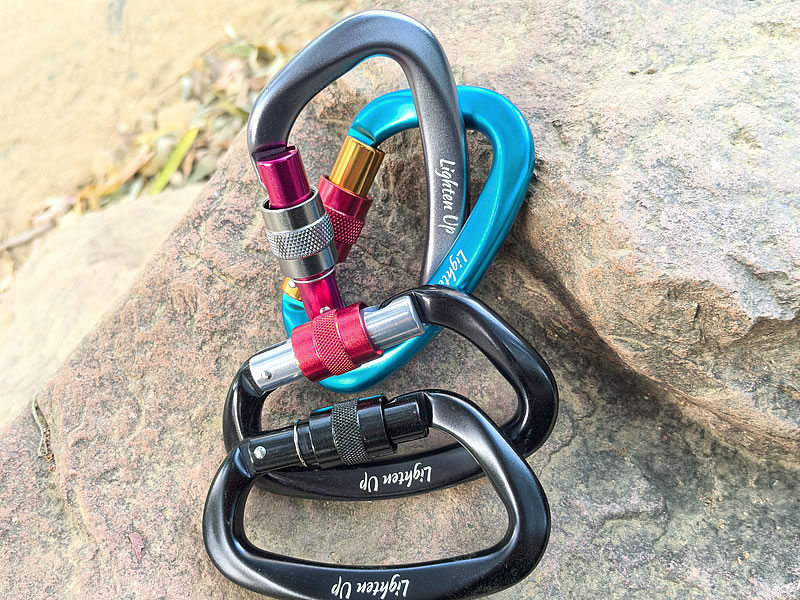
These carabiners typically feature a metal body (often aluminum) with a gate mechanism made from a high-strength polymer. This hybrid design is intentional. The plastic component is usually found in the gate itself or the locking sleeve on a twist-lock model, while the core load-bearing structure remains metal.
The Advantages: Why Choose a Plastic Gate?
- Corrosion Resistance: Unlike steel or even aluminum gates, polymer gates are completely immune to rust. This makes them excellent for environments with constant exposure to water, salt, or chemicals—think marine applications, keychains in wet climates, or hanging water bottles.
- Lightweight: Polymer is lighter than metal, contributing to a lighter overall carabiner. This is a key benefit for ultra-light backpacking or for reducing everyday carry weight.
- Gentle on Surfaces: A plastic gate won't scratch your car keys, phone, or other delicate items. It’s also quieter, avoiding the metallic "click-clack."
- Cost-Effective: Generally, they are less expensive to manufacture than full-metal, mechanically complex locking carabiners.
The Critical Limitations: Where Durability Fails
This is where the "durability" question gets serious. The plastic gate is the weakest link in the system.
- Not for Life Support: This is the cardinal rule. No carabiner with a plastic gate should ever be used for climbing, rope access, fall arrest, or any other activity where a failure could result in injury or death. The plastic can crack, deform under shock loads, or degrade over time.
- UV and Environmental Degradation: Prolonged exposure to ultraviolet sunlight can weaken and embrittle most polymers over time, a process not faced by metals to the same degree. Extreme cold can also make some plastics brittle.
- Abrasion and Wear: The gate mechanism, which undergoes constant friction, will wear out faster than a metal-on-metal system. Sand and grit can accelerate this wear, potentially compromising the gate's function.
- Load Capacity: While they can be surprisingly strong for static, everyday loads (often rated for 20-50 lbs or more for keychain styles), their rated strength is far below that of a climbing carabiner (which are rated in kiloNewtons, e.g., 22-30 kN). The gate is usually the first point of failure under excessive side or open-gate loading.
Verdict: A Tool for Convenience, Not Safety
So, is a carabiner with a plastic gate durable?
For its intended purpose—yes, it is sufficiently durable. It is a highly durable and convenient tool for organizational use: managing keys, clipping a water bottle to a backpack, securing a dog leash, or hanging a toiletry bag. Its durability shines in resisting corrosion and light weight.
For safety-critical applications—it is definitively not durable or safe. Its material limits make it unfit for any dynamic, high-load, or life-dependent scenario.
Best Practice: Always check the manufacturer's stated purpose and load rating. If the carabiner lacks a clear strength rating in kiloNewtons (kN) and is not certified by a body like the UIAA (International Climbing and Mountaineering Federation), assume it is for non-life-critical use only.
In summary, choose a full-metal, properly rated locking carabiner for climbing, rigging, or work at height. For everything else, the plastic-gate carabiner is a durable, clever, and practical piece of everyday gear.




