




Micro Carabiners for Lightweight Gear: Maximizing Organization, Minimizing Ounces
In the pursuit of a lighter pack, every gram counts. Ultralight backpackers, fastpackers, and minimalist adventurers have turned to micro carabiners as a critical tool for efficient gear management. These tiny connectors, typically under 2 inches (5 cm) in length and weighing as little as 5-15 grams each, are far more than just miniature versions of their larger counterparts. They represent a dedicated solution for organizing a lightweight kit, where bulk is the enemy and modular accessibility is key.
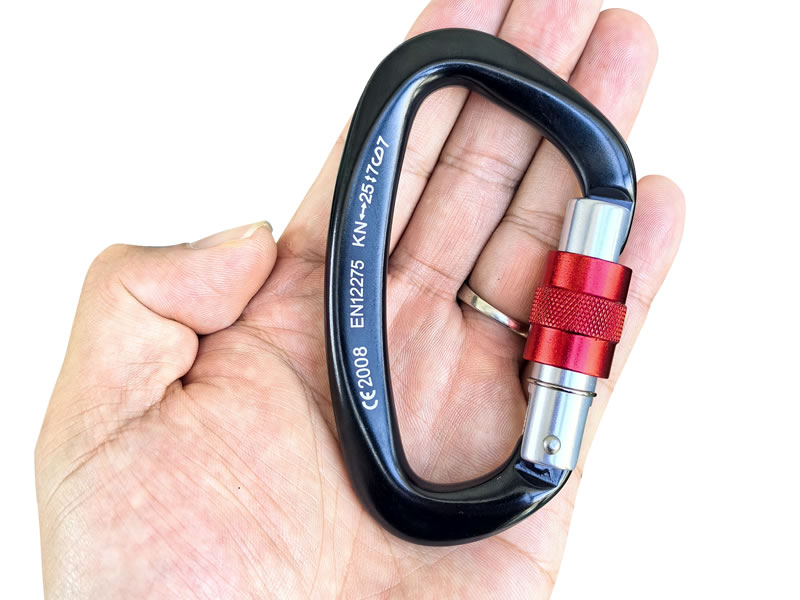
Defining the Micro Carabiner
A micro carabiner is characterized by its diminutive size, lightweight construction (almost always aluminum), and a spring-loaded, non-locking gate. They are engineered for utility, not life-support. You will not find UIAA/CE climbing certifications or kN ratings on these; their strength is sufficient for hanging gear, not arresting falls. Brands like Camp, Black Diamond’s ‘Miniwire,’ Metolius, and Omega Pacific offer reputable models designed for outdoor use, distinguishing them from flimsy promotional keychain carabiners.
The Ultralight Philosophy: Why Use Them?
For the weight-conscious adventurer, micro carabiners solve several problems inherent to a minimalist setup:
- Modular Gear Attachment: A stripped-down backpack often lacks extensive pockets. Micro carabiners allow you to externally and securely attach items to lash tabs, daisy chains, and gear loops. This keeps essentials accessible without stopping to dig through your pack.
- Dynamic Organization: Your gear needs change throughout the day. A micro carabiner lets you quickly reconfigure—moving a water filter from your hip belt to a shoulder strap, or clipping off a layer when the sun comes out.
- Weight and Space Savings: Replacing heavier cord, straps, or larger carabiners with a few micro versions can save measurable weight and pack volume. Their small size prevents them from becoming snag hazards.
- Improved Camp Organization: At camp, they transform into a tiny hanging system for a headlamp, bug net, cook pot, or food bag, keeping items off the ground and within reach.
Ideal Applications: What to Clip
The strength of a quality micro carabiner is perfectly suited for a range of small, essential items:
- Shelter & Camp: Guylines, tent stake bag, stuff sack for a rainfly.
- Hydration & Cooking: Smartwater bottle (on a side compression strap), pot gripper, spoon, water filter.
- Navigation & Safety: Whistle, compact compass, small GPS or PLB.
- Tools: Compact multi-tool or knife, small flashlight, trekking pole wrist loop (for temporary attachment).
- Clothing: Damp socks or gloves for air-drying, sun hat (clipped to pack when not worn).
Critical Limitations and Safe Use
Understanding what micro carabiners are not designed for is paramount to safety:
- NOT FOR CLIMBING OR LIFE-SUPPORT: This cannot be overstated. Never use them in any climbing, rappelling, or load-bearing safety system.
- Limited Load Capacity: Avoid hanging heavy, dense items like a full 1L water bottle (unless specifically supported by the pack strap itself), a heavy camera, or a large bear canister. The risk is not just carabiner failure, but tearing lightweight pack fabric.
- Gate Security: Their small gates can be harder to operate with cold or gloved hands and may be more susceptible to accidental opening if snagged forcefully. For anything you absolutely cannot afford to lose, consider a slightly larger, locking mini-carabiner.
Selecting the Right Micro Carabiner
Not all micro carabiners are created equal. Consider these features:
- Material and Finish: Anodized aluminum is standard. A smooth, snag-free finish protects your gear and pack fabric.
- Gate Action: Look for a spring with positive, reliable action—not too stiff, not too loose. A keylock or hookless nose design is superior, as it prevents the carabiner from snagging on loops and webbing.
- Shape: A slight asymmetric D-shape helps keep items from sliding to the gate side. A wide gate opening relative to its size makes clipping easier.
- Weight: Compare grams. The lightest options use wire gates, but ensure they feel robust.
Integrating into Your System: Best Practices
- Dedicate by Function: Use different colors for quick identification (e.g., red for shelter, blue for water gear).
- Pair with Loops: Add small, lightweight loops of shock cord or Dyneema to items that lack a built-in attachment point, creating a carabiner-ready system.
- Prevent "The Chorus": Attach items securely so they don’t clang together with every step. A small rubber band or a wrap of Leukotape can silence gear.
- Regular Checks: Develop a habit of visually verifying that critical items are still clipped, especially after bushwhacking or moving through tight spaces.
Conclusion: The Essential Non-Essential
In ultralight backpacking, the goal is to carry only what serves a purpose. A handful of micro carabiners may seem insignificant, but their organizational utility earns them a place in the pack of many experienced minimalists. They are the connective tissue of a modular gear system, enabling a cleaner, more adaptable, and efficient carry.
By choosing quality models and respecting their significant limitations, you harness their full potential as a tool for order, saving not just weight, but time and frustration on the trail. In the calculus of ultralight travel, micro carabiners are a high-value, low-weight investment in streamlined functionality.




