




Titanium Carabiner vs. Aluminum: A Material Science Analysis of Weight and Strength
The choice between titanium and aluminum carabiners is often framed as a simple trade-off between strength and weight. In reality, the decision hinges on a deeper understanding of material science, specific use cases, and the nuanced definitions of "strength." For climbers, engineers, and outdoor professionals, selecting the right material can optimize performance, safety, and durability.
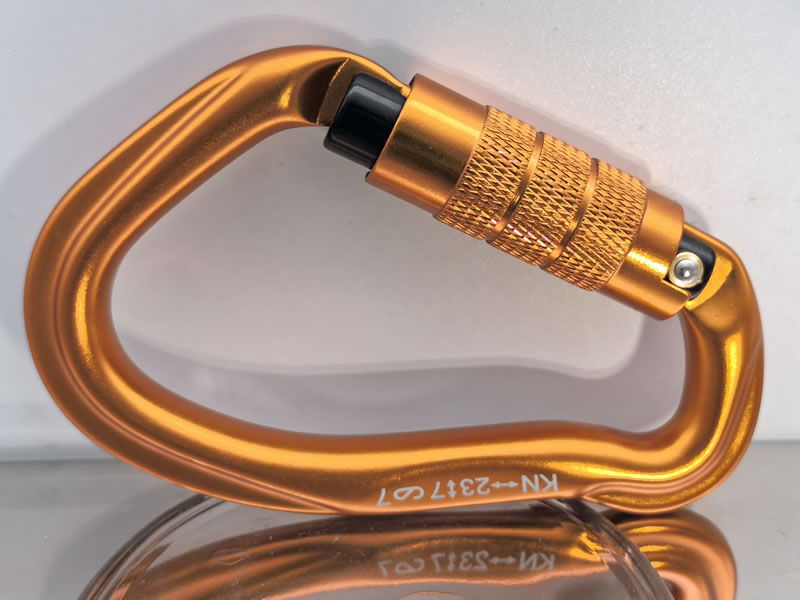
Buy Link: https://www.aliexpress.com/item/1005008983964737.html
Fundamental Material Properties: A Tale of Two Alloys
- Aluminum Alloy (7075-T6): The aerospace-industry standard for climbing gear. Its paramount advantage is its exceptional strength-to-weight ratio. With a density of approximately 2.8 g/cm³, it is very light. Through precise heat-treating, it achieves high tensile strength while remaining malleable enough to be forged into complex shapes.
- Titanium Alloy (Ti-6Al-4V): The premium choice for extreme environments. Titanium's legendary corrosion resistance is its hallmark—it is virtually inert. It possesses a higher strength-to-volume ratio than aluminum but with a critical caveat: its density is about 4.43 g/cm³, making it inherently heavier for a given volume.
The Weight vs. Strength Breakdown: Beyond the Myth
A pervasive myth is that "titanium is lighter than aluminum." This is incorrect. Pound for pound (by weight), titanium is stronger. But inch for inch (by volume), titanium is heavier.
- Weight: For two carabiners of identical size and design, the titanium version will be approximately 30-40% heavier. Aluminum remains the undisputed champion for absolute weight savings.
- Strength: Titanium has a higher ultimate tensile strength (~900 MPa vs. ~540 MPa for 7075-T6). However, in practical terms, both materials far exceed the UIAA/CE certification requirements (e.g., 22-24 kN major axis strength). For climbing, this means both are "strong enough," and the superior strength of titanium often represents over-engineering for the application, not a functional necessity.
The Real Differentiators: Performance in Context
Where titanium justifies its significant cost and weight penalty is in specialized performance areas:
- Fatigue Life & Durability: Titanium has a superior fatigue limit, meaning it can endure a vastly higher number of load cycles without cracking. This is critical for carabiners used in constant professional rigging, rescue systems, or fixed anchors subject to vibration.
- Corrosion Resistance: Aluminum depends on its anodized surface layer for protection. If this layer is scratched or worn through, the core metal can corrode, especially in salty or chemically harsh environments (sea cliffs, industrial settings). Titanium is inherently corrosion-proof, making it the only choice for marine, coastal, or chemical applications.
- Hardness & Wear Resistance: Titanium is harder and more resistant to abrasive wear from steel cables, rock, or other metal tools. An aluminum carabiner may develop grooves over time; a titanium one will show far less wear.
Application Guide: Choosing the Right Material
Choose an Aluminum Carabiner (7075-T6) if:
- Your primary goal is minimizing weight for traditional climbing, alpine ascents, or big wall climbs.
- You need the best performance-to-cost ratio.
- You use your gear in typical terrestrial environments with proper maintenance and inspection.
Choose a Titanium Carabiner if:
- You operate in corrosive environments: ocean sailing, coastal climbing, canyonering, or industrial chemistry.
- You require maximum long-term durability and fatigue resistance for professional, high-cycle-use equipment.
- You need gear for a permanent or semi-permanent installation where maintenance is difficult.
- The weight penalty is acceptable for the unparalleled corrosion benefits in your specific niche (e.g., a dedicated saltwater rack).
Critical Overlap: The Non-Negotiables
Regardless of material, two rules are absolute:
- Certification is Paramount: Any carabiner used for life support must be UIAA or CE certified with a clearly stamped kN rating. Material choice never substitutes for certification.
- Design Matters Most: A well-forged, properly designed aluminum carabiner from a reputable brand is infinitely safer than a poorly made titanium one. The quality of the gate mechanism, spine shape, and locking system is as important as the base material.
Conclusion: A Question of Priorities, Not Superiority
The titanium vs. aluminum debate is not about finding a "better" material, but about matching material properties to mission-critical priorities.
- Aluminum is the high-efficiency specialist for strength-to-weight, serving the vast majority of climbing and outdoor needs with proven reliability and affordability.
- Titanium is the endurance specialist for extreme environments, sacrificing some weight efficiency to provide unmatched corrosion resistance and longevity in the harshest conditions.
For most users, a certified aluminum carabiner represents the optimal balance. Titanium is a purpose-driven investment for those whose adventures or professions demand its unique, resilient properties. By understanding the true nature of weight and strength in this context, you can move beyond marketing claims and select gear engineered for your specific reality.




