




Carabiner That Floats If Dropped in Water: The Essential Safety Net for Aquatic Adventures
For anyone who spends time on, in, or near the water, the dreaded "plop" sound of a small, essential item slipping into the depths is all too familiar. Whether it's a set of keys during a kayak launch, a critical piece of fishing gear on a boat, or a dog leash clip at the lake, standard metal carabiniers offer no reprieve—they sink immediately, often lost forever in murky water or deep currents. This recurring problem has given rise to a specialized and invaluable tool: the carabiner that floats if dropped in water. Far from a gimmick, this engineered solution is a fundamental piece of safety and convenience gear for maritime, recreational, and professional use, transforming a potential disaster into a simple, retrievable mishap.
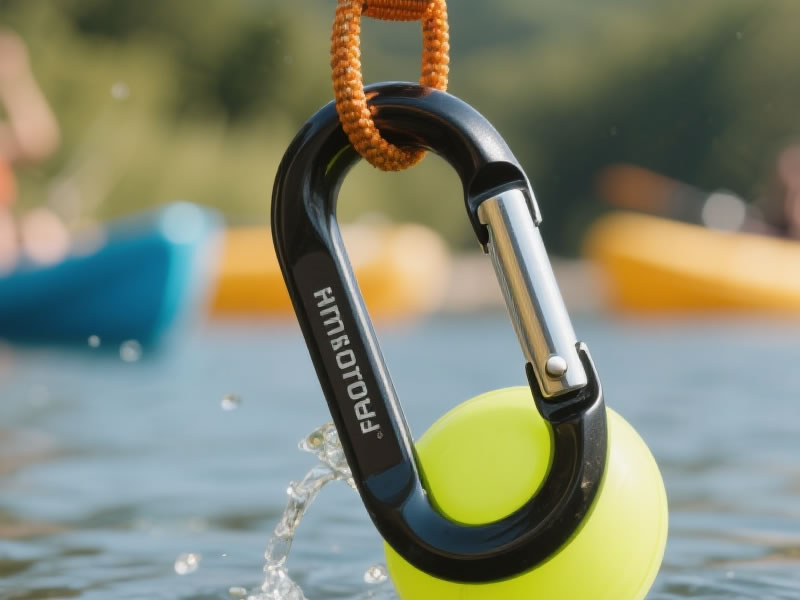
The core technology of a floating carabiner lies in its strategic use of buoyant materials and intelligent design. Unlike traditional carabiners made from dense aluminum or steel, these models incorporate elements that displace enough water to overcome their own weight. This is achieved through several design philosophies:
- Integrated Buoyant Core: The most common and effective design features a standard, high-strength plastic (like high-density polyethylene or HDPE) or a lightweight aluminum body that is hollow or filled with closed-cell foam. This foam is key—it is impervious to water absorption, meaning it won't become waterlogged and lose buoyancy over time. The carabiner is often overmolded with a bright, grippy elastomer that adds visibility and comfort.
- Material Science: Some are constructed entirely from rigid, engineered polymers that are inherently less dense than water. When combined with a design that maximizes volume, these materials naturally float. While their absolute strength rating may be lower than a climbing-grade aluminum 'biner, they are more than sufficient for the demands of gear organization, key management, and attaching items like water bottles, dry bags, or dive flags.
- Hybrid Designs: For applications requiring higher strength, some models pair a floating body with a metal gate and locking mechanism. The buoyant body keeps the assembly on the surface, while the metal components provide a more secure and familiar locking action.
Design considerations extend beyond mere flotation. A quality floating carabiner prioritizes:
- High-Visibility Colors: Neon yellows, oranges, and bright whites are standard, making the carabiner easy to spot bobbing on waves or in low-light conditions.
- Reliable Closure: A secure gate—often a spring-loaded snap gate or a simple latch—is crucial to ensure items remain attached. Some models feature a locking gate for added security in rougher water.
- Corrosion Resistance: Every component must be impervious to saltwater and freshwater corrosion, utilizing stainless steel springs, plastic, and anti-corrosive coatings.
The practical applications are vast and scenario-specific:
- Boating & Kayaking: Clip your boat keys, a whistle, or a small dry pouch to your PFD (life jacket) or deck rigging. If fumbled, they remain on the surface for easy recovery.
- Fishing: Secure tackle boxes, line clippers, or pliers. A dropped pair of expensive pliers is no longer a donation to the lake.
- Swimming & Beach Days: Perfect for attaching a waterproof pouch for phones or wallets to a beach bag or lounger, safe from both theft and accidental submersion.
- Professional & Rescue: For dive teams, lifeguards, or marine researchers, floating carabiners provide a way to manage secondary equipment with the guarantee it won't sink if lost overboard.
When selecting a floating carabiner, it's important to match its capacity to your needs. Check its stated buoyancy (often able to keep several ounces of attached gear afloat) and its load rating. For simply holding keys, a basic model suffices. For a heavier item like a full water bottle, you'll need a larger, more buoyant design.
In conclusion, a carabiner that floats is a brilliant example of problem-solving design tailored to a specific environment. It addresses a tangible risk with a simple, elegant solution, providing not just convenience but genuine peace of mind. It shifts the outcome of an accidental drop from a guaranteed loss to a minor, retrievable interruption. For anyone whose life or leisure intersects with water, it is a small, affordable, and utterly logical upgrade—a floating failsafe that lets you enjoy the water without the sinking feeling of losing what matters.




