




Choosing a Carabiner for Mixed Rock/Ice Climbing: A Guide to Cold-Weather Reliability
Mixed rock and ice climbing represents one of the most demanding disciplines in alpinism, combining the technical friction of rock with the brittle, variable nature of ice. This hybrid environment doesn't just test the climber—it rigorously tests every piece of equipment. Your carabiners, as the fundamental connectors in your safety system, must be chosen with specific, critical criteria in mind. Standard rock climbing carabiners can falter in icy conditions, making the selection of a purpose-built carabiner for mixed climbing a non-negotiable aspect of safety and performance.
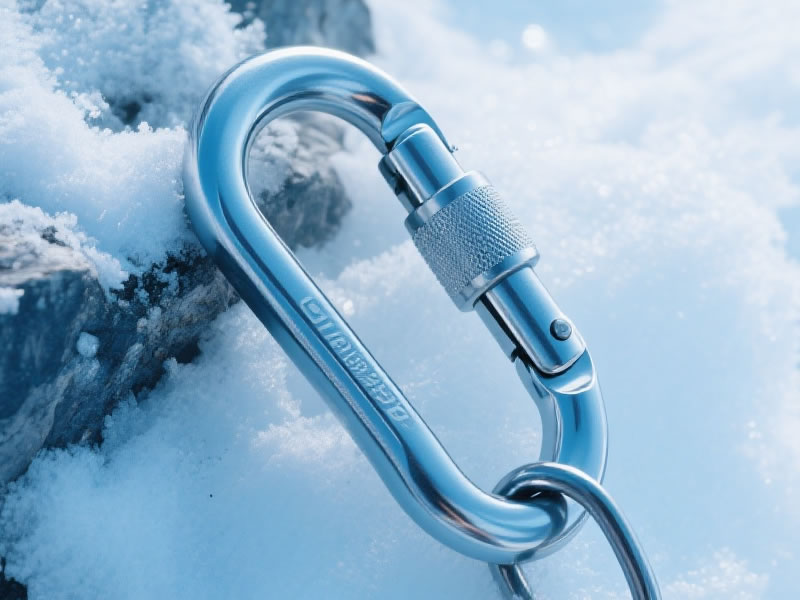
The paramount considerations stem from the hostile environment: extreme cold, abrasive surfaces, and the need for secure, glove-friendly operation. A carabiner that performs flawlessly on a sunny crag may become a frozen, cumbersome, or weakened liability on a mixed route.
1. Material: The Steel Standard
For pure ice and serious mixed climbing, steel carabiners are the traditional and often preferred choice. Steel offers superior:
- Abrasion Resistance: It withstands the relentless scraping against rock and sharp ice edges far better than aluminum, which can develop deep, weakening grooves.
- Strength in Cold: While both materials become stronger as temperatures drop, steel is less susceptible to cold-induced brittleness.
- Durability: A steel screwgate can endure years of icy rope drag and tool clanking.However, steel is significantly heavier. Many climbers opt for a hybrid approach: using steel carabiners for critical points like the belay device, rope racking, and frequent tool clips, and lighter aluminum carabiners for other gear. For less severe mixed routes, modern hard-anodized aluminum carabiners from reputable brands are strong and reliable, but you must inspect them more frequently for wear.
2. Gate Mechanism: The Screwgate Imperative
Non-locking carabiners have no place on a mixed climbing rack for critical connections. Screwgate carabiners are the essential standard.
- Glove Compatibility: The screw sleeve must be large and easy to manipulate with thick gloves or numb fingers. Look for models with oversized, textured collars.
- Freeze Resistance: Some designs feature a captive sleeve (one that spins but doesn't unthread completely) or special coatings to minimize the risk of ice jamming the threads. Avoid complex auto-locking mechanisms that can freeze shut or become clogged with ice and snow.
- Reliability: The simple screwgate is time-tested and less prone to failure in dirty, icy conditions than more complex locking systems.
3. Nose Design: The Keylock Advantage
A keylock or notch-less nose is arguably the most important design feature for mixed climbing. The traditional hook-shaped nose on many carabiners is a snag hazard. It can easily catch on ice tool leashes, slings, or rope strands during hectic gear exchanges. The smooth, snag-free profile of a keylock nose allows for smooth clipping and unclipping, a critical efficiency when you're battling pump and cold.
4. Shape and Size: Versatility is Key
- HMS/Pear-Shaped Carabiners: These are indispensable for mixed climbing. Their wide, rounded end is perfect for anchoring with a Munter hitch (a crucial backup belay), accommodating two ropes, or easily clipping bulky frozen rope sections. Every belay station should have at least one.
- Large Gate Openings: A wide gate opening accommodates thick, frozen rope diameters, multiple slings, or gloved fingers for easier clipping.
5. Certification and Mindset
Always choose carabiners certified for climbing (UIAA/CE). More importantly, adopt a rigorous inspection and maintenance routine. Rinse carabiners with fresh water after every outing to remove corrosive salt (from sweat) and grit. Visually inspect for grooves, sharp edges, and check that the gate action remains smooth. A carabiner compromised by rock and ice abrasion must be retired.
In conclusion, choosing a carabiner for mixed rock/ice climbing is an exercise in prioritizing resilience and simplicity. The ideal mixed climbing carabiner is typically a steel or hard-anodized aluminum screwgate with a keylock nose, chosen in a size and shape (like an HMS) that matches its intended duty. It forgives the abrasion of rock, resists the cold of ice, and operates with glove-friendly simplicity. By meticulously selecting this foundational piece of gear, you build a safer, more efficient foundation for confronting the unique and thrilling challenges of the mixed climb.




